The Big Picture
International football is a meritocracy in theory but a political minefield in practice. The tension between club loyalty, coaching egos, and national duty creates a friction that defines entire eras of the Three Lions.
The Power of the Badge
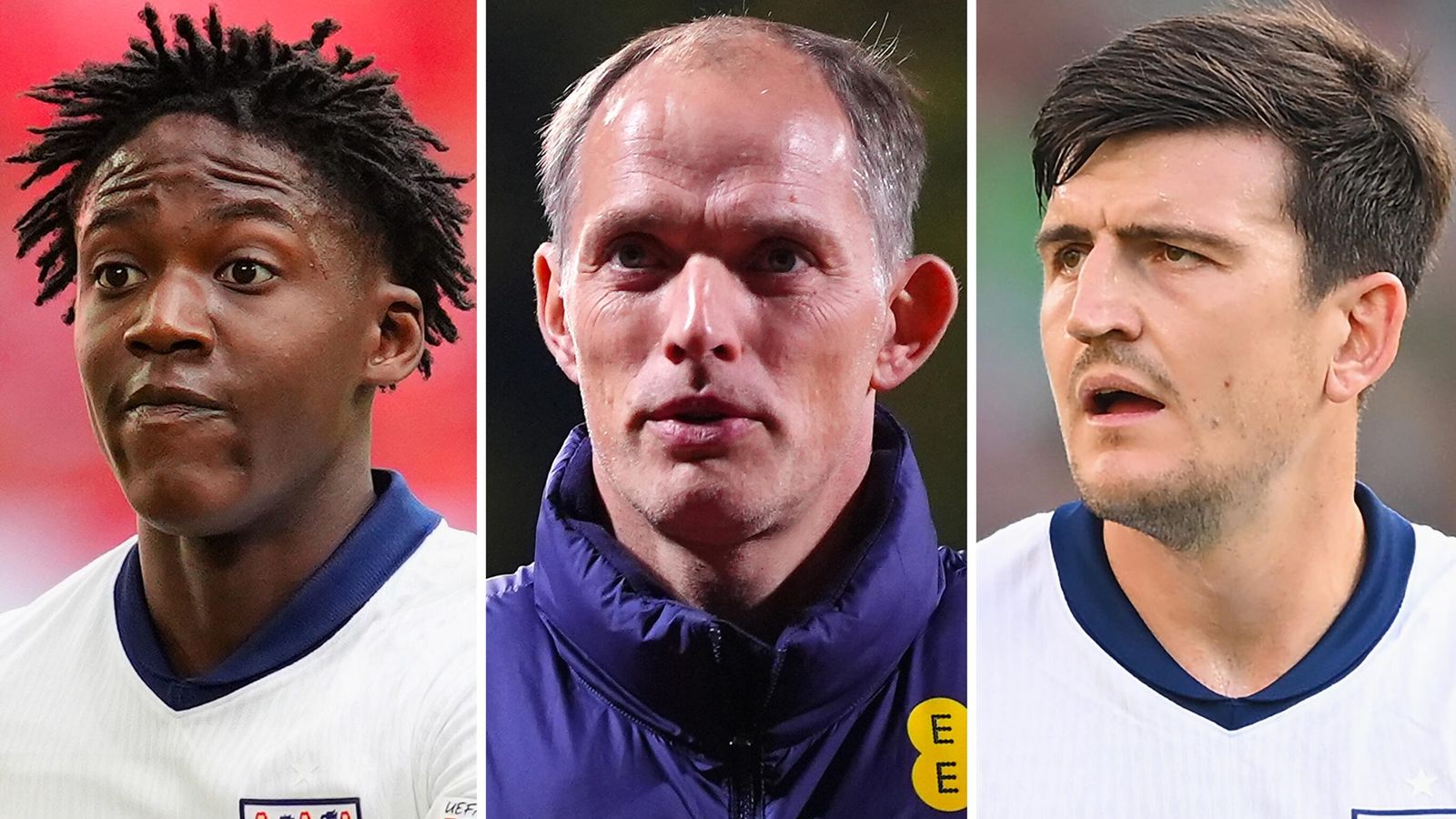
When Thomas Tuchel named his first squad for the upcoming fixtures against Uruguay and Japan, the headlines weren't about the tactical shift or the German's arrival. They were about the end of a self-imposed exile and the repair of a fractured relationship that had become a symbol of the previous regime's rigid culture.
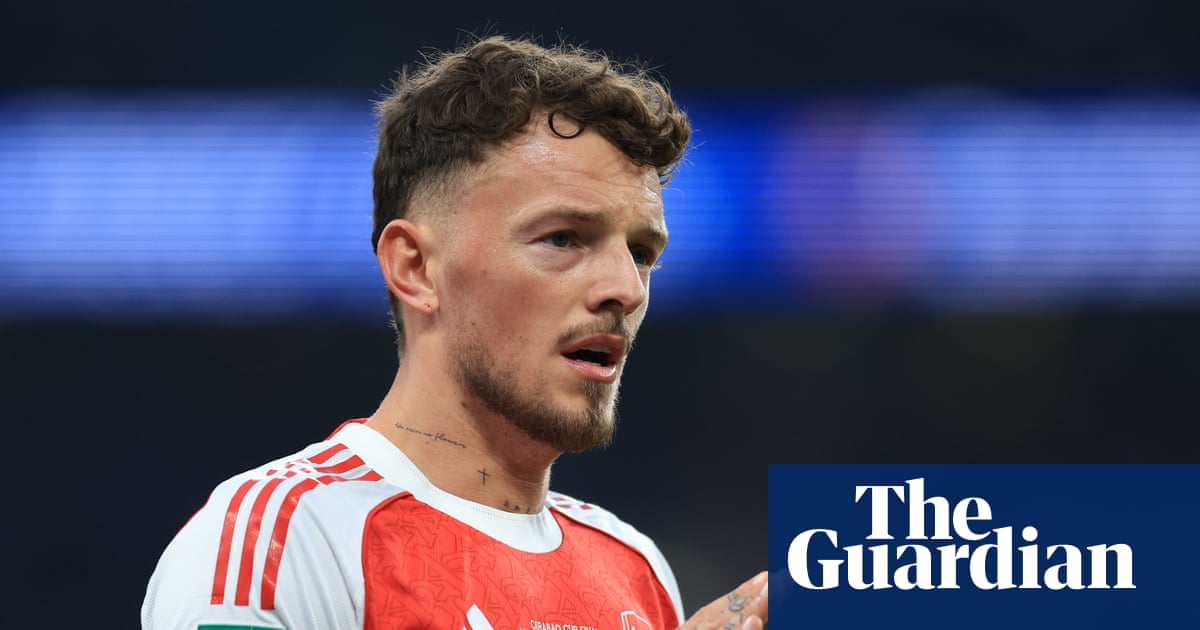
Ben White's return marks a significant pivot for the FA. For two years, one of the Premier League's most consistent right-backs was a ghost in the national setup, the victim of a training ground fallout that went unresolved for far too long. His selection over Jarell Quansah is a footballing decision, but it carries the weight of a peace treaty.
10. The Jarell Quansah Sacrifice (2026)
Timing is everything in football, and Quansah just ran into a geopolitical shift. The Liverpool youngster has been excellent, but Tuchel needed to make a statement about clean slates. Quansah becomes the statistical casualty of the Ben White era, losing his spot not because of a dip in form, but because the new boss wanted to prove he could fix what Gareth Southgate couldn't.
It is a harsh reality for a player who represents the future of the English defense. Being dropped for a player who hasn't worn the shirt since 2022 sends a message that experience and established top-flight quality will always trump potential under the new management. Quansah will likely return, but for now, he is the footnote in a much larger narrative about Arsenal's defensive star.
9. Jack Grealish: The Euro 2024 Exclusion
Southgate’s decision to leave Grealish out of the Euro 2024 squad felt like a glitch in the matrix at the time. Despite a difficult season at Manchester City, Grealish offered a specific gravity on the pitch, a way to draw fouls and kill momentum that England desperately lacked in the final against Spain. Leaving him at home in favor of younger, unproven options was a gamble that ultimately looked like a mistake when the team lacked a ball-carrier in Berlin.
The omission highlighted Southgate's obsession with "current form" over "big-game utility." Grealish wasn't just a player; he was the heartbeat of the squad's social dynamic. His absence created a vacuum in the dressing room that several players later admitted was felt during the more grueling stretches of the tournament in Germany. It remains one of the most debated tactical snubs of the modern era.
8. The Jermain Defoe World Cup 2006 Snub
Sven-Göran Eriksson took a 17-year-old Theo Walcott to a World Cup despite the kid never having played a minute of Premier League football. To do that, he left Jermain Defoe at home. Defoe was a proven goalscorer in his prime, a natural finisher who lived on the shoulder of the last defender. Walcott, meanwhile, spent the entire tournament as a tourist, watching from the bench while Wayne Rooney’s metatarsal became national news.
This wasn't just a snub; it was a logic-defying stunt. Eriksson later admitted he wanted a "wildcard," but in a tournament decided by fine margins and a penalty shootout exit to Portugal, Defoe’s predatory instincts were exactly what was missing. It was a selection that favored headlines over heat-maps, and it cost England a genuine attacking outlet when it mattered most.
7. Kevin Pietersen... Wait, Wrong Sport, Same Ego: The Rio Ferdinand 2012 Saga
Roy Hodgson’s decision to leave Rio Ferdinand out of the Euro 2012 squad for "footballing reasons" was the most transparent lie in English sporting history. The real reason was the legal and personal fallout between Ferdinand and John Terry. Hodgson chose Terry, effectively ending the international career of one of the greatest ball-playing center-backs the country ever produced.
Ferdinand was still performing at a world-class level for Manchester United. The idea that he wasn't good enough for a squad that started Joleon Lescott was laughable. It was a choice that prioritized a lack of dressing room friction over defensive solidity. England was eliminated on penalties by Italy, a game where Andrea Pirlo treated the English midfield like a training session while Ferdinand watched from a beach.
6. Harry Maguire: The Loyalty Test (2023-2024)
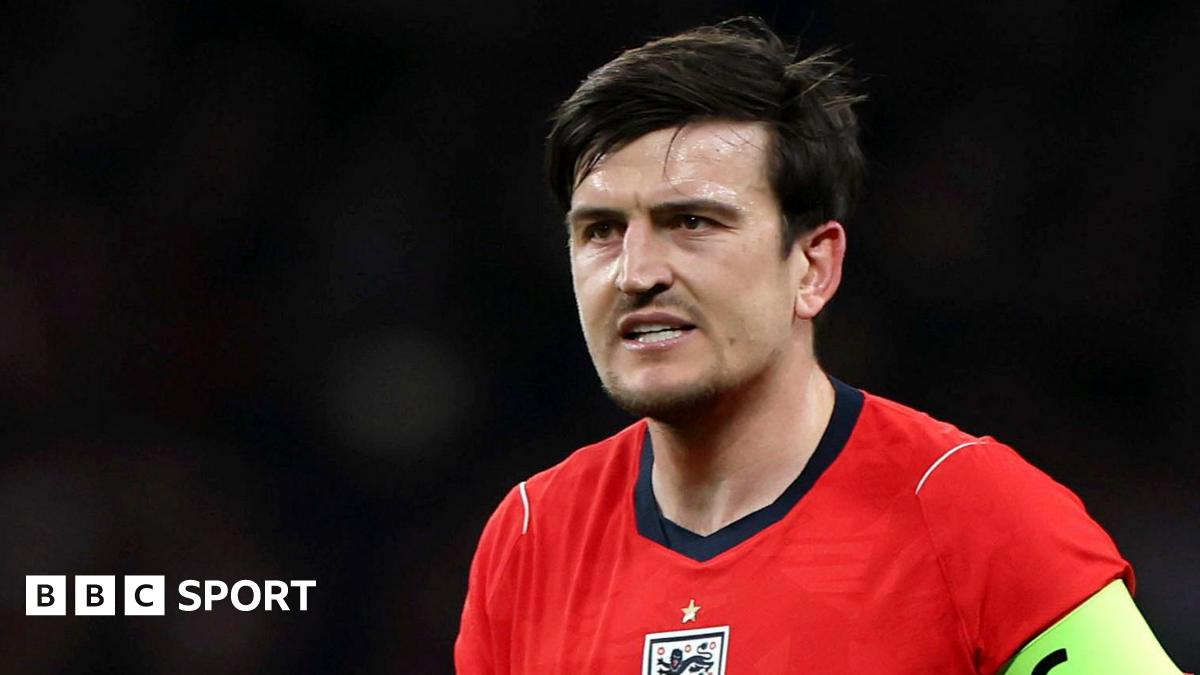
If some players suffered from snubs, Maguire benefited from an almost pathological level of loyalty. For eighteen months, Maguire was a backup at Manchester United but an automatic starter for England. Southgate’s refusal to drop him, even when he was scoring own-goals and looking devoid of confidence, became a stick to beat the manager with. It created a two-tier system in the squad where some players had to be perfect to get a look-in, while others were untouchable.
This wasn't just about Maguire's performance; it was about the precedent it set. It frustrated defenders like Fikayo Tomori and Ezri Konsa who were playing lights-out football in the Champions League and Premier League but couldn't break the Southgate-Maguire bond. Eventually, injury forced Southgate's hand for the Euros, but the damage to the meritocracy was already done.
5. The Alan Shearer Retirement Snub (Post-2000)
After Euro 2000, Alan Shearer walked away from England at just 29 years old. For the next four years, every time England struggled for a goal, the FA and various managers tried to lure him back. Shearer remained firm, focusing on Newcastle United, while England cycled through strikers like Darius Vassell and Francis Jeffers. The snub wasn't from the manager to the player, but from the player to the nation.
Imagine a 2002 World Cup strike force of a peak Michael Owen and a still-prolific Alan Shearer. The failure to convince him to return for one last dance in Japan and South Korea feels like a massive missed opportunity. Shearer had the physical presence that Owen lacked, and his refusal to return meant England never quite replaced the "Big-Little" dynamic that made them so dangerous in the late 90s.
4. Paul Gascoigne: The 1998 Hoddle Axe
The image of Gazza wrecking Glenn Hoddle's hotel room after being told he wasn't going to France '98 is etched into England lore. Gascoigne was the hero of Italia '90 and Euro '96, but his fitness was a shambles and his private life was spiraling. Hoddle made the clinical, brutal call to cut the cord. It was a brave decision that signaled the end of the "lad culture" era, but it robbed the fans of one final look at a genius on the world stage.
England lost to Argentina in the Round of 16. While David Beckham's red card took the blame, the lack of a creative conductor in the middle of the park was evident. A half-fit Gazza on the bench might have provided the spark needed to avoid the penalty shootout lottery. Hoddle was right about the discipline, but perhaps wrong about the magic.
3. The Trent Alexander-Arnold Identity Crisis
For years, Gareth Southgate treated the best attacking right-back in the world like a luxury he couldn't afford. The constant snubs, the experimental moves to midfield, and the benching in favor of Kieran Trippier became a national obsession. As The Mirror reported, the defensive culture under Southgate often clashed with the expressive styles of players like White and Alexander-Arnold.
This wasn't just a selection issue; it was a philosophical war. Southgate wanted a right-back who stayed in his lane; the world wanted a right-back who could hit a 60-yard diagonal pass onto a striker's toe. The fact that Trent has more Champions League medals than some England squads have caps, yet was often third-choice, remains a damning indictment of the previous era's tactical conservatism.
2. David Beckham’s Post-2006 Exile
Steve McClaren wanted to show he was his own man. His first move as England manager was to drop David Beckham, the captain and the most famous face in the sport. It was a disastrous attempt at a "New Era" that backfired almost immediately. England’s qualifying campaign for Euro 2008 went off the rails, and McClaren was forced to recall Beckham with his tail between his legs just months later.
The snub was purely performative. Beckham was still delivering elite crosses and set-pieces at Real Madrid. By the time McClaren brought him back, the momentum was gone, and England eventually failed to qualify for the tournament entirely. It proved that you don't drop a global icon just to prove you have the authority to do so — you only do it if you have a better plan, which McClaren clearly didn't.
1. The Ben White / Steve Holland Bust-up (2022-2026)
This takes the top spot because of the sheer duration and the silence surrounding it. Losing a starting-caliber defender for two full years because of a verbal altercation in Qatar is the height of mismanagement. Ben White left the 2022 World Cup for "personal reasons," which we now know was a heated exchange with Southgate's assistant, Steve Holland. The fact that Southgate couldn't or wouldn't bridge that gap cost England dearly.
White's return under Tuchel is the ultimate "I told you so" for Arsenal fans. He didn't lose his talent; he lost his patience with a coaching staff that reportedly questioned his interest in the tactical nuances of the game. Now, with a £50 million price tag and years of elite Premier League performance behind him, he returns as the prodigal son. It is the most significant recall in years because it officially closes the door on the Southgate era's most public internal failure.
Honorable Mentions
Fikayo Tomori’s continued exclusion despite winning Serie A with AC Milan remains a baffling oversight. Matt Le Tissier only earning eight caps in the 90s is a crime against entertainment. Finally, the curious case of Conor Coady — a player selected for every squad as a "good tourist" but never actually trusted to defend on the pitch.
Read Next
- Ben White's England recall masks the physical toll of Arsenal's season
- Why Elliot Anderson is suddenly England's most vital midfielder
- Harvey Barnes is the right call for England's left-wing conundrum
- Ollie Watkins is playing like a man who knows he is being ignored
- 🏴 England World Cup 2026 — Three Lions Hub