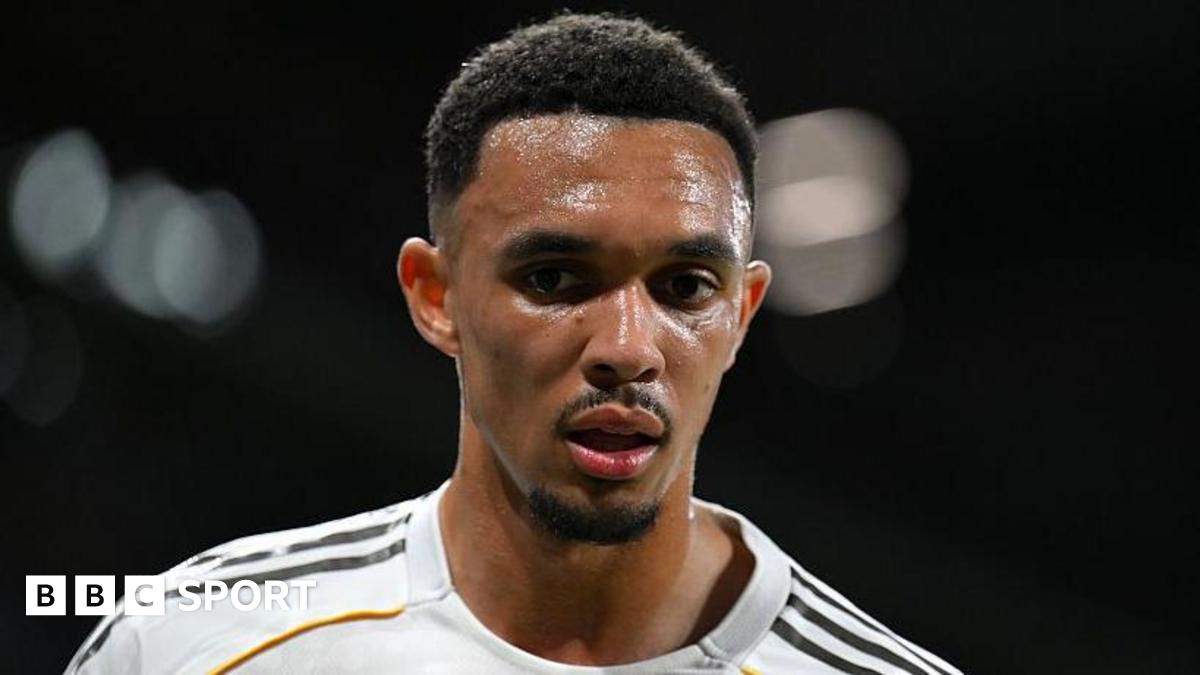
Harvey Barnes is the right call for England's left-wing conundrum

The Tuchel era begins with a tactical shift
Thomas Tuchel has barely settled into the England manager's chair, yet he is already facing the inevitable reality of international football: the injury list. Eberechi Eze, a player who offers the kind of individual brilliance that can unlock a low block, has been ruled out. The decision to bring in Harvey Barnes as his replacement is a fascinating indicator of how Tuchel intends to prioritize directness over pure technical flair.
Barnes has spent his career being defined by his verticality. While Eze dances through half-spaces, Barnes operates with a singular objective: get to the byline or cut inside to shoot. It is a style that fits the prototype of a modern wide forward who thrives in transition. As the BBC reported, this call-up marks a significant opportunity for the Newcastle winger to finally stake his claim in a setup that has historically favored more established names.
Why Barnes fits the Tuchel blueprint
Tuchel’s tactical history with Chelsea and Bayern Munich suggests he values wingers who can stretch the pitch. He wants his wide players to hold the width, dragging full-backs out of position to create gaps for the number tens. Barnes is a specialist in this regard. He does not need to touch the ball twenty times to influence a game, which is a trait that often frustrates managers who prefer a high-possession, slow-build approach.
The criticism, of course, is that Barnes lacks the defensive discipline to play in a wing-back role if Tuchel decides to revert to his preferred back-three system. At Newcastle, he is rarely asked to track back with the intensity required of a defensive-minded fullback. If he is deployed as a pure winger in a 4-2-3-1, he will be effective. If he is forced into a hybrid role, the defensive liabilities will likely outweigh his attacking output.
The statistical reality of the call-up
Let’s look at the numbers. Barnes has consistently proven that he is a reliable source of goals, an area where England has occasionally struggled when Harry Kane drops deep. He provides a secondary scoring threat that is often absent when the opposition focuses entirely on neutralize the central striker. His movement off the ball is intelligent, often timing his runs to exploit the blind side of center-backs.
However, there is a legitimate question about his consistency. Barnes has had seasons where he disappears for weeks at a time, failing to impact games against lower-table opposition. For England to succeed, they need players who can turn a 0-0 draw into a 1-0 win against teams that park the bus. Barnes has the pedigree to do this, but he has yet to prove he can perform at the international level with the same regularity he shows in the Premier League.
The shadow of the previous regime
Gareth Southgate was often criticized for his loyalty to players regardless of their club form. Tuchel is clearly taking a different path, opting for form over reputation. Bringing in Barnes is a signal to the squad that the slate is wiped clean. If you are producing output for your club, you are in the conversation for the national team.
This move also highlights the depth England currently possesses in the attacking third. Even with Eze sidelined, the competition for the left-wing spot remains fierce. Jack Grealish and Anthony Gordon are still in the mix, meaning Barnes is not guaranteed a starting role. He is here to provide an alternative, a specific weapon for specific scenarios where a direct runner is needed to punish a high defensive line.
One negative observation remains: the lack of a clear long-term strategy for these call-ups. Is Barnes a permanent fixture in the plans, or is this merely a stop-gap measure because the primary options are unavailable? Tuchel needs to avoid the trap of constant rotation if he wants to build a cohesive unit for the next tournament cycle. A team that changes its identity every international break rarely finds the rhythm required to win major silverware.
Ultimately, this is a low-risk, high-reward move. Barnes brings a level of vertical threat that is difficult to coach if it is not already in a player’s DNA. If he can replicate his Newcastle form on the international stage, he might just force himself into the conversation for the starting XI. If not, Tuchel has at least shown he is willing to look past the usual suspects to find the right tool for the job.
Read Next
- Ollie Watkins is playing like a man who knows he is being ignored
- Newcastle vs Sunderland halted after racist abuse directed at Geertruida
- Top 10: Defining Moments in Recent Football History
- Ange Postecoglou is running out of time to fix Tottenham's defensive mess
- 🏴 England World Cup 2026 — Three Lions Hub
adidas Men's Tiro 23 League Pants
The iconic training pant that belongs in every fan's wardrobe.
Frequently Asked Questions
Why was Harvey Barnes called up to the England squad?
What tactical role does Harvey Barnes play under Thomas Tuchel?
How does Harvey Barnes differ from Eberechi Eze?
What are the potential defensive concerns regarding Harvey Barnes?
What value does Harvey Barnes add to the England attack?
More Coverage
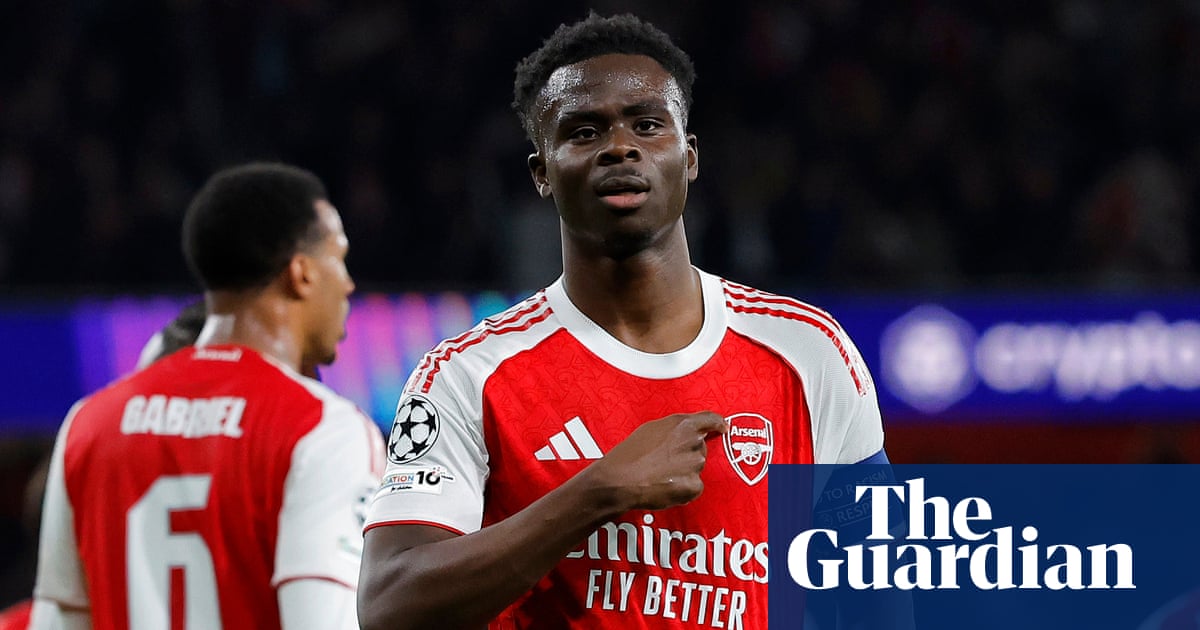
Arsenal and England breathe sigh of relief as Bukayo Saka manages training load
8 hours ago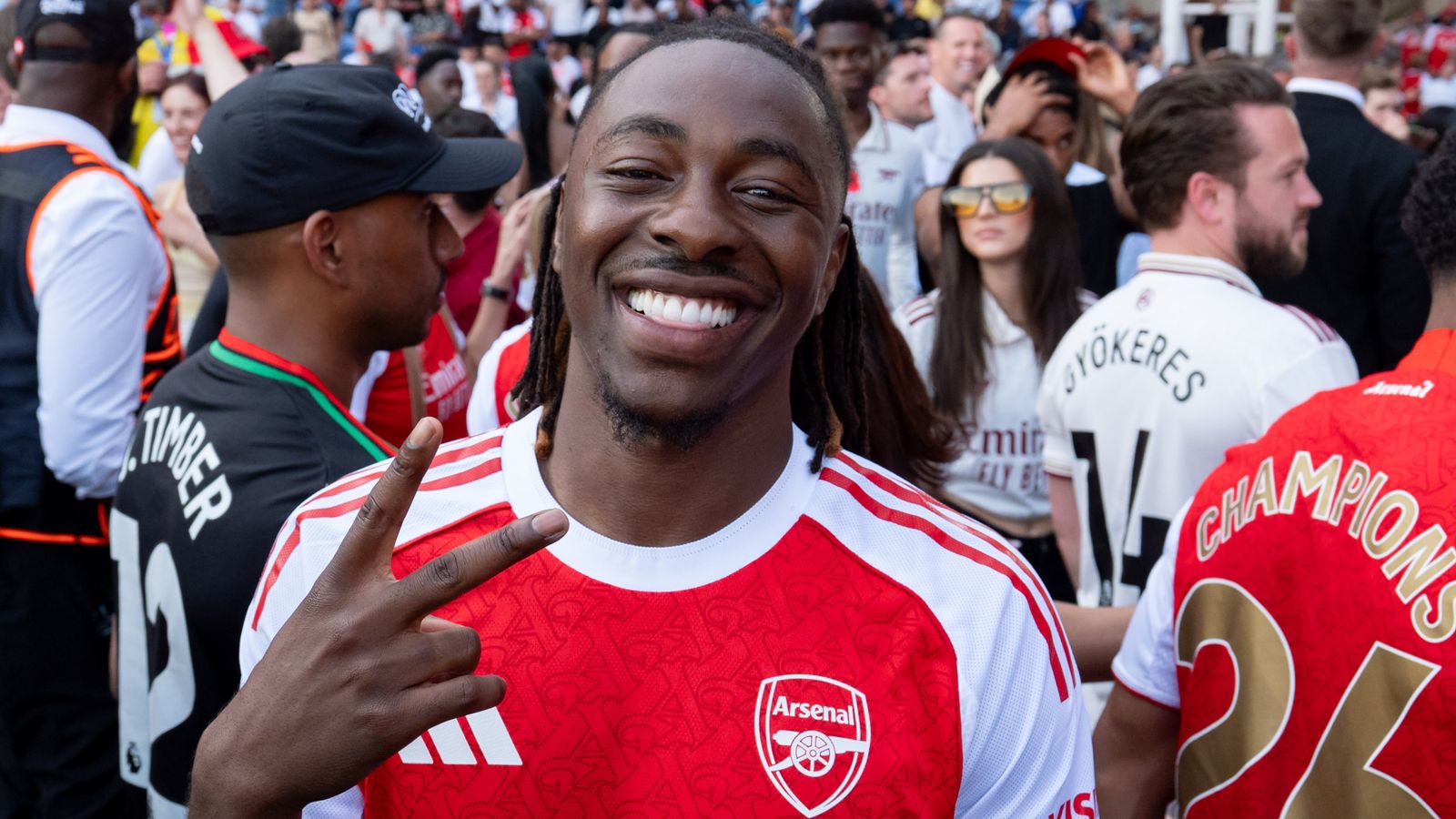
Arsenal eye Eberechi Eze move as Champions League final looms
11 hours ago
Glenn Hoddle questions Thomas Tuchel's logic on England's World Cup squad
1 day, 5 hours agoEngland are bottling the 2026 World Cup before it even starts
1 day, 6 hours agoEngland’s 2026 World Cup Group: A familiar recipe for disaster
1 day, 6 hours ago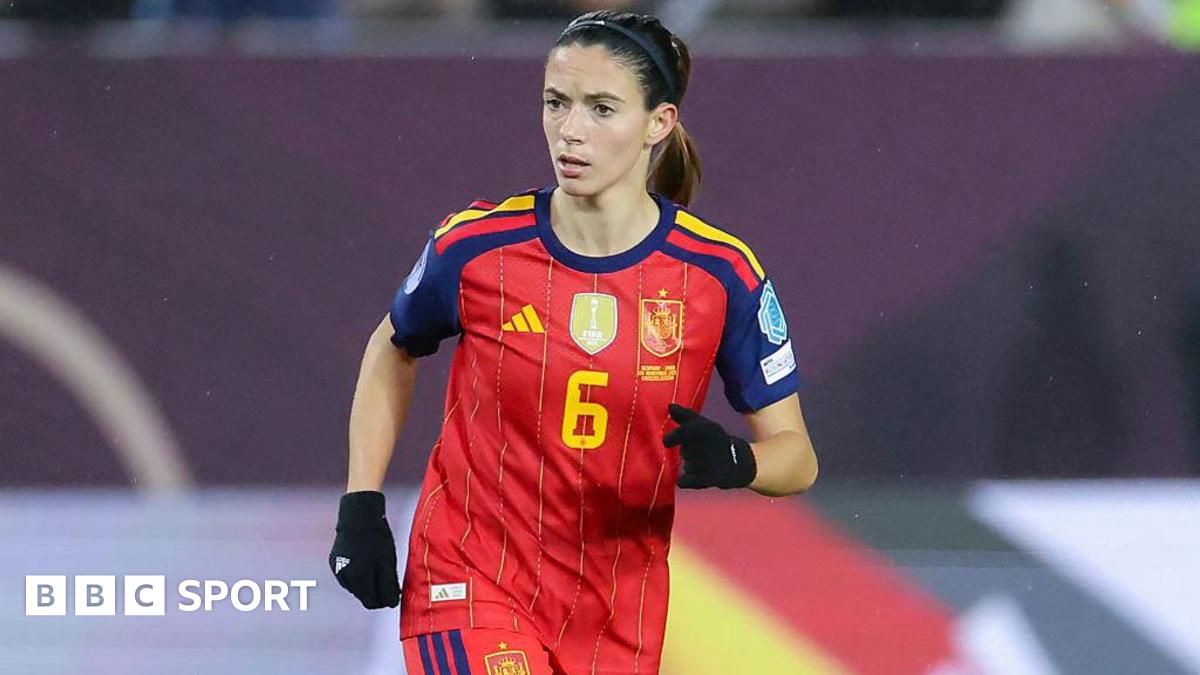
Aitana Bonmati returns to Spain squad for high-stakes England qualifier
1 day, 6 hours agoMore Analysis

Why Thomas Tuchel needs Ben White to fix England's broken right flank
2 months ago
Thomas Tuchel is already stripping England down to the studs
2 months, 1 week ago
Tuchel shut the door on Greenwood, but his squad has a fatal flaw
2 months ago
Thomas Tuchel's ruthless England squad cuts are exactly what we needed
6 days, 15 hours ago
Why Elliot Anderson is Thomas Tuchel's ultimate World Cup wildcard
1 month, 4 weeks ago