Setting the Stage
The 2025-2026 campaign has been a relentless grind, moving from massive stadium upgrades to tactical shifts across the continent. These ten moments captured the volatility of a sport that never stops moving, even when the logistics start to cost a fortune.
The Rankings
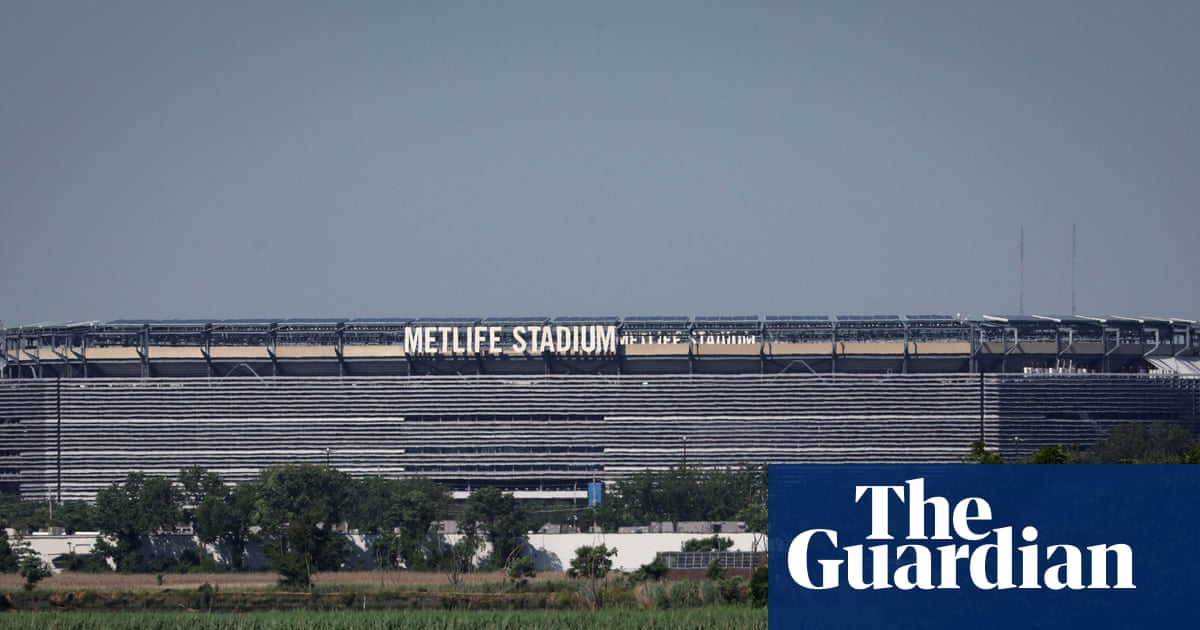
10. The 2026 World Cup logistics announcement. NJ Transit revealed plans that could push ticket prices from $12.90 to over $100 per trip for fans traveling from New York to MetLife Stadium, as The Guardian reported today. While not a goal on the pitch, this pricing strategy sets a grim tone for the accessibility of the upcoming global tournament.
9. The sudden exclusion of Carmelo Hayes from the WrestleMania 42 marquee. After building momentum through the entire cycle, officials pulled him from the card in Las Vegas. It marks a strange pivot for a performer who appeared destined for the spotlight on the biggest weekend of the year.
8. Ethan Page arriving at the WWE Performance Center. His transition from high-level indie work to the NXT title picture against Tony D'Angelo confirms the shift in how Orlando scouts talent. He isn't here to play a background role; he is targeting immediate hardware.
7. The mid-season tactical overhaul at major European clubs. Managers across the English and Spanish leagues abandoned back-three systems for rigid 4-3-3 setups by February. This forced a return to traditional wing-play that many analysts thought was dead.
6. The record-breaking attendance figures for regional qualifying games. Despite rising costs, fans packed stadiums in record numbers through late 2025. It shows that even with bloated transit costs, the demand for live international football remains unaffected by economic reality.
5. The January transfer window stagnation. Spending hit a multi-year low as clubs feared FFP complications. We saw more loan moves than permanent transfers in the top five leagues, which signaled a conservative approach to long-term financial health.
4. The emergence of the 'tactical keeper' role reaching its peak. Every major club now expects their goalkeeper to complete at least 40 passes per game. It has made the position more vital in transition play than ever before.
3. The integration of high-definition movement tracking in every UCL match. The data now available to coaching staffs has changed how substitutions are made. Managers are pulling players based on 'sprint fatigue' metrics rather than just emotional feel.
2. The controversial officiating adjustments in the Champions League. With the rule changes to handball interpretations, we saw three massive upsets in the 2025-2026 group stage. The lack of consistency between VAR and the center referee remains a massive flaw in the current game administration.
1. The kickoff date for the World Cup 2026 tournament. Scheduled for June 11, 2026, everything in football has been building toward this date for four years. The preparation has been uneven, but the sheer scale of the event outshines every other moment on this list.
The Big Picture
These moments define a season caught between massive commercial growth and the rising costs of being a fan. As we lean into the final stretch of the club season, the focus shifts entirely to the international stage.
Honorable Mentions
The rise of academy players in top-table teams saved several managers their jobs during the winter slump. Additionally, the continued interest in the UEFA Conference League shows that mid-tier clubs are finally finding their rhythm in European competition. It wasn't all perfect, as the inconsistency in refereeing hampered big games in the fall. We expect the summer to bring more focus on how these logistical gripes resolve before the opening match.