The Big Picture
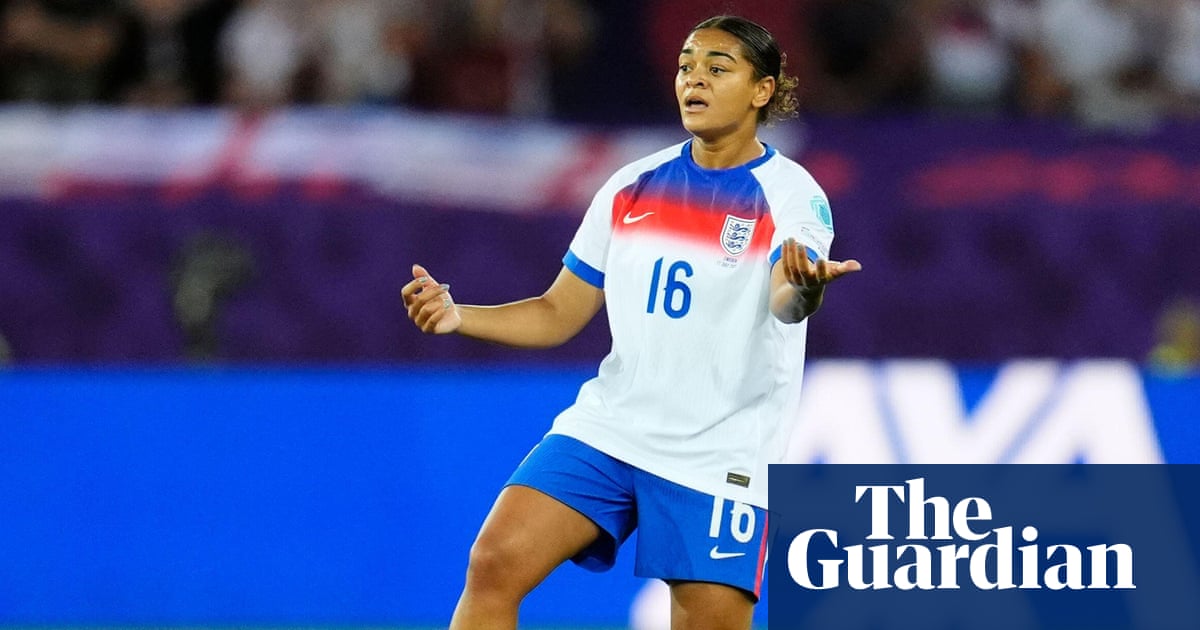
Online abuse has become an ugly shadow over international football, and the sentencing of Nigel Dewale on March 25, 2026, marks a pivotal moment in the fight for accountability. While Jess Carter was helping England navigate the Euro 2025 bracket, a 60-year-old man was sending messages that would eventually lead to a courtroom rather than a stadium. This case highlights the slow, often frustrating grind of justice in the digital age.
The Legal Fallout
10. The TikTok Trail
Nigel Dewale didn't hide in the shadows of an anonymous forum; he used TikTok to target one of England's most prominent defenders. The platform has struggled to police hate speech, but the digital footprint left by these messages became the primary evidence in the investigation. By sending messages during the height of a major tournament, the perpetrator ensured the authorities had a clear line of sight to his identity. It wasn't a sophisticated operation, but rather a blatant display of cowardice that fortunately left a trail for the police to follow. This entry sits at ten because while it’s the origin of the case, it’s the most basic element of modern digital forensics. As The Guardian reported, the offensive messages were sent during the tournament last summer.
9. The August Arrest
Justice didn't come instantly for Jess Carter. It took until August 2025, weeks after the tournament final, for the police to finalize their move and take Nigel Dewale into custody. This delay reflects the often-glacial pace of cross-referencing social media accounts with real-world identities, even when the evidence is clear. The arrest served as the first signal to the public that the vile messages wouldn't be ignored by local law enforcement. It’s ranked here to highlight that while the abuse happened in the heat of the moment, the consequences were a slow-burn reality for the offender. The Mirror noted he was arrested shortly after the tournament concluded.
8. The Age of the Offender
The fact that Nigel Dewale is 60 years old refutes the common myth that online abuse is solely the domain of bored teenagers or trolls in basements. A man of his generation should have the maturity to understand the weight of his words, yet he chose to spend his time attacking an athlete on social media. This detail is particularly jarring because it suggests a deep-seated issue that spans age demographics in the UK football scene. It’s a sobering reminder that the problem isn't just a technological one, but a cultural failure that persists across generations. Ranking this at eight because it changes the narrative of who we think these abusers are. The BBC confirmed his age during the sentencing coverage.
7. The Euro 2025 Pressure Cooker
The abuse took place while Jess Carter was representing the Lionesses on the biggest stage in European football. Every match at Euro 2025 carried immense weight, and for a player to have to deal with disgusting messages while managing the tactical demands of a tournament is an absurd burden. England’s run in 2025 was supposed to be a celebration of the women’s game, but for Carter, it was punctuated by these notifications. This context matters because it shows the targeted nature of the harassment—hitting a player when the stakes are highest. It ranks at seven because it underscores the cruelty of the timing during a major career milestone.
The Verdict
6. The Nature of the Messages
Court reports described the messages sent by Dewale as disgusting and appalling, a pair of descriptors that leave little to the imagination. These weren't just critiques of a defensive lapse; they were racially motivated attacks designed to dehumanize a public figure. The BBC and The Guardian both emphasized that the messages were specifically sent over social media platforms to ensure they reached the recipient. By making the choice to be so graphic, Dewale escalated a simple disagreement into a criminal act. This entry is ranked sixth because the sheer venom of the content is what transformed this from a moderation issue into a police matter.
5. The Guilty Plea
When the case finally reached the court on March 25, 2026, Nigel Dewale admitted to sending the offensive messages. The guilty plea was a necessary, if late, admission of the harm he caused during the previous summer's tournament. By admitting his guilt, he spared the court a prolonged trial but also confirmed the facts that had been circulating since his arrest. This plea is a win for the prosecution, as it validates the investigative work done to track him down via his TikTok activity. It ranks at five because it’s the moment of legal accountability that the victim deserved. According to BBC reports, he admitted the charges in full.
4. The Suspended Sentence
The headline coming out of the sentencing is that Nigel Dewale received a suspended prison term rather than immediate jail time. While a 60-year-old avoiding a cell might seem like a standard legal outcome for a first-time offender in this category, it remains a point of contention for many fans. The Guardian confirmed the sentence was suspended, meaning Dewale walks free as long as he adheres to specific conditions. This outcome is a middle ground that often leaves victims feeling that the punishment doesn't quite match the nature of the crime. It ranks at four because it is the most significant legal development in the entire timeline.
3. The Lack of Deterrence
This is where the criticism comes in: avoiding jail for vile racial abuse sends a questionable message to the wider public. If a 60-year-old man can admit to sending disgusting messages to a national hero and still sleep in his own bed tonight, where is the real deterrent? The Mirror Football headline highlighting that he avoids jail perfectly captures the frustration that many in the football community feel regarding the leniency of these sentences. We talk a lot about zero tolerance, but a suspended sentence feels like a slap on the wrist for a crime that affects a player's mental health and safety. This ranks at three because it highlights the disconnect between football's rhetoric and the legal system's reality.
2. The Precedent for Social Media Abuse
Despite the leniency, the fact that a conviction was secured at all is a major step for the UK’s legal approach to social media. Tracking down a TikTok user and bringing them to a 2026 sentencing shows that the era of online harassment is slowly being reined in. This case will be cited in future proceedings where players are targeted during international windows. It proves that the digital anonymity people rely on is increasingly fragile when the police decide to prioritize high-profile abuse cases. It’s ranked at two because of its long-term impact on how the law treats digital hate in a sporting context.
1. Jess Carter’s Resilience
At the top of the list isn't the man who sent the messages, but the player who had to endure them while performing at the highest level. Jess Carter didn't let the noise distract from her role with the Lionesses during the 87th minute of high-stakes matches or the grind of a tournament. Her ability to continue competing while a 60-year-old was actively trying to tear her down is the real story of this saga. The focus should remain on the athlete who stood tall in the face of cowardice, turning a negative experience into a catalyst for legal change. Ranking this at number one is the only logical choice, as Carter's professional excellence is the ultimate rebuttal to hate.
The Final Word
While the legal system delivered a suspended sentence, the football community has been loud in its condemnation of Nigel Dewale. The case of Jess Carter serves as a roadmap for how clubs and players can pursue justice, even when the process feels painstakingly slow. As we move closer to the 2026 World Cup, the pressure on social media companies to do more than just provide data to the police will only intensify.
Honorable Mentions
- The Role of TikTok Moderation: While the police eventually caught Dewale, the platform's initial failure to block the messages remains a secondary issue that needs addressing.
- The 2025 Women’s Euro Legacy: A tournament that was otherwise a success but will now always be linked to this specific legal battle for player safety.