The Captain Pulls the Ripcord
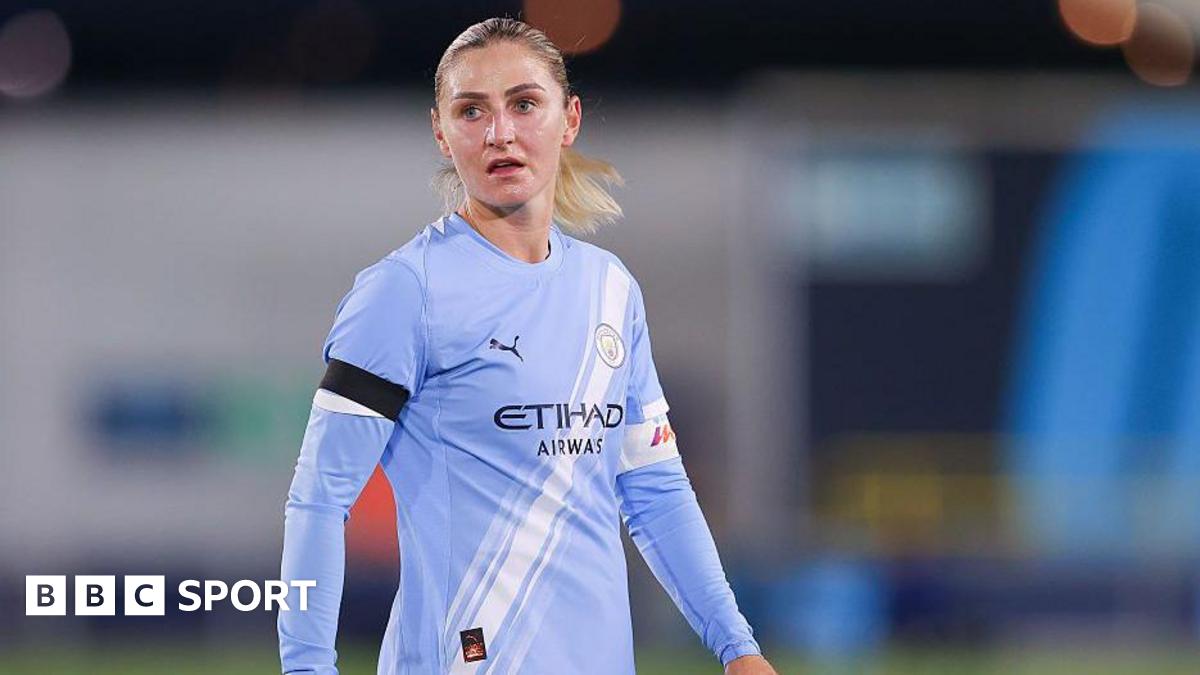
Millie Bright just reminded us that even the toughest walls have cracks. One day after the news broke that the most formidable center-back in English history is walking away, we are left staring at a massive hole in the Lionesses defense. This was not a slow fade into the sunset. This was a sudden, jarring stop from a player who spent the last decade treating her body like a crash-test dummy for the sake of Chelsea and country.
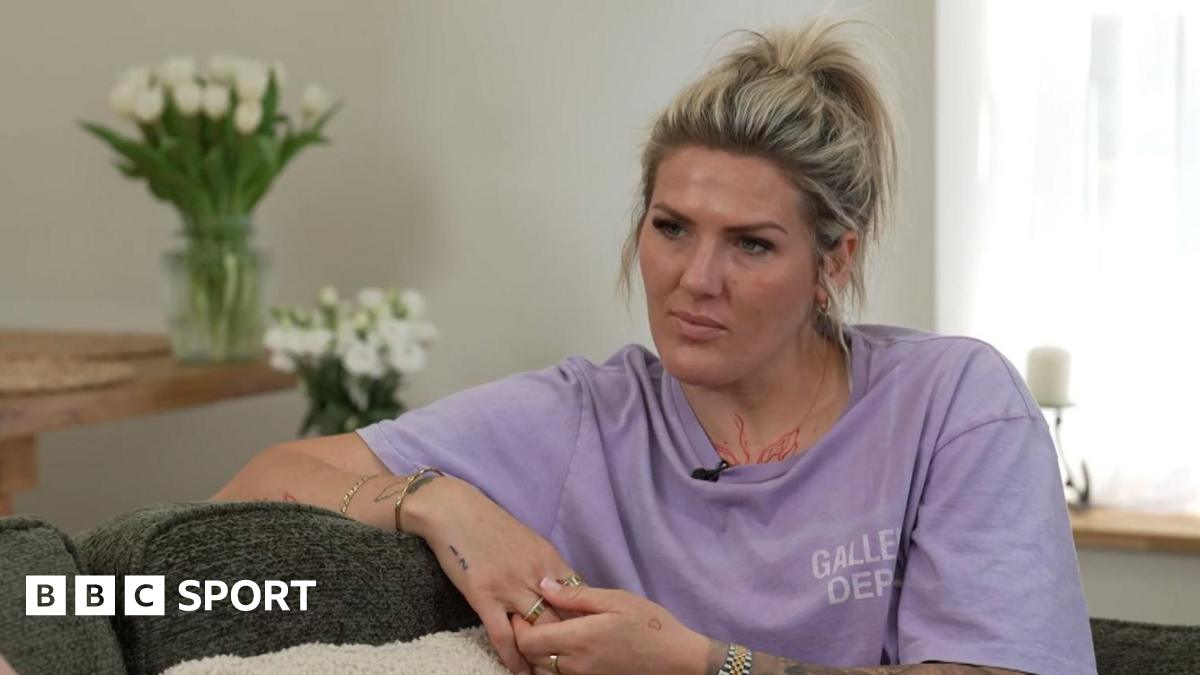
Speaking to the BBC just hours after the announcement, Bright dropped the kind of honesty that usually stays locked in a therapist's office. She talked about losing herself. For a player defined by being a physical monolith, hearing her admit that the internal engine finally seized up is a genuine shock to the system. We expect our captains to be indestructible, but Bright is showing us that the cost of modern greatness is becoming unaffordable.
This is the woman who anchored a defense through the 2022 Euros win without blinking. She was the one Emma Hayes trusted to Marshall a Chelsea backline that dominated the WSL like it was their personal playground. If she says she is done, she is done. There is no coming back for a guest appearance at the World Cup in two months. The tank is empty, the light is off, and the door is locked.
The Mental Toll of Being a Human Shield
Bright did not just cite physical fatigue. She went straight for the jugular of the modern game: the abuse. It is easy to sit on a sofa and tweet about a missed clearance or a slow turn. It is another thing entirely to be the person who has to process that noise while your knees are screaming at you. Bright mentioned that she felt she had lost her identity in the middle of the circus.
I lost myself.
That quote should be pinned to the wall of every front office in the country. If the captain of England feels like she is drowning, what chance do the teenagers coming through the ranks have? We have turned these players into content streams rather than human beings. Bright has been at the center of the storm for so long that she probably forgot what a quiet Tuesday felt like without a camera in her face or a stranger calling her finished on Instagram.
Let’s be honest about the online environment. Bright was often the lightning rod for criticism when things went south. Because she was the one willing to take the risks and put her head where others wouldn't put their boots, she was the one blamed when a bounce went the wrong way. The toll of that constant scrutiny is what forced this retirement. It was not just the ligament damage; it was the slow erosion of her joy.
The Chelsea Legacy and the Looming Void
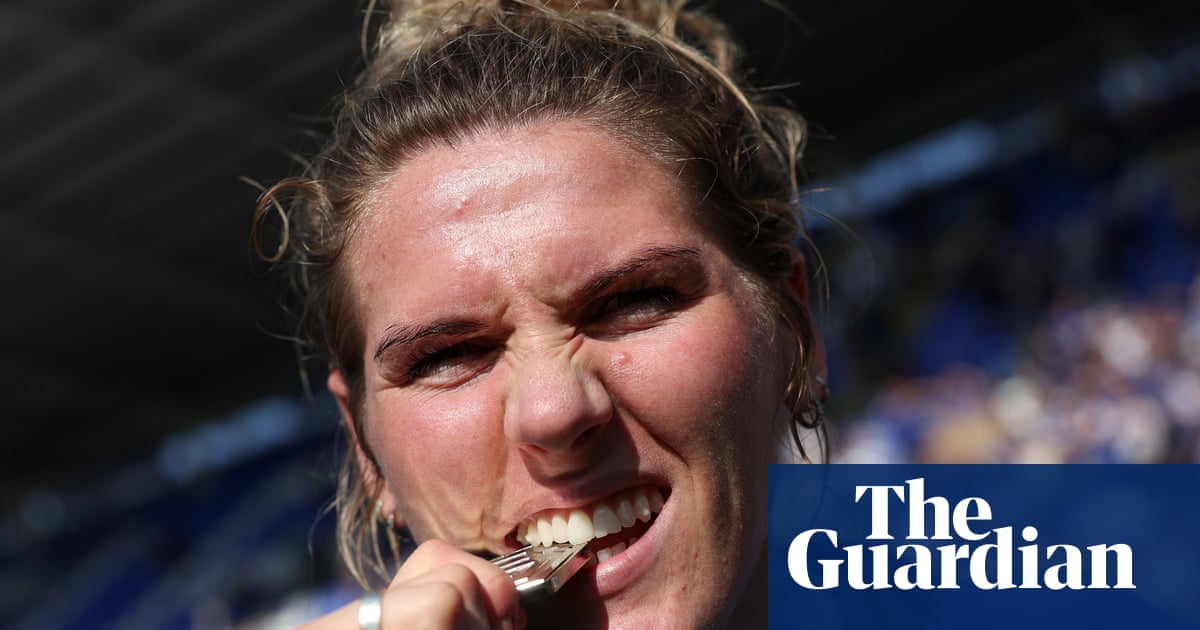
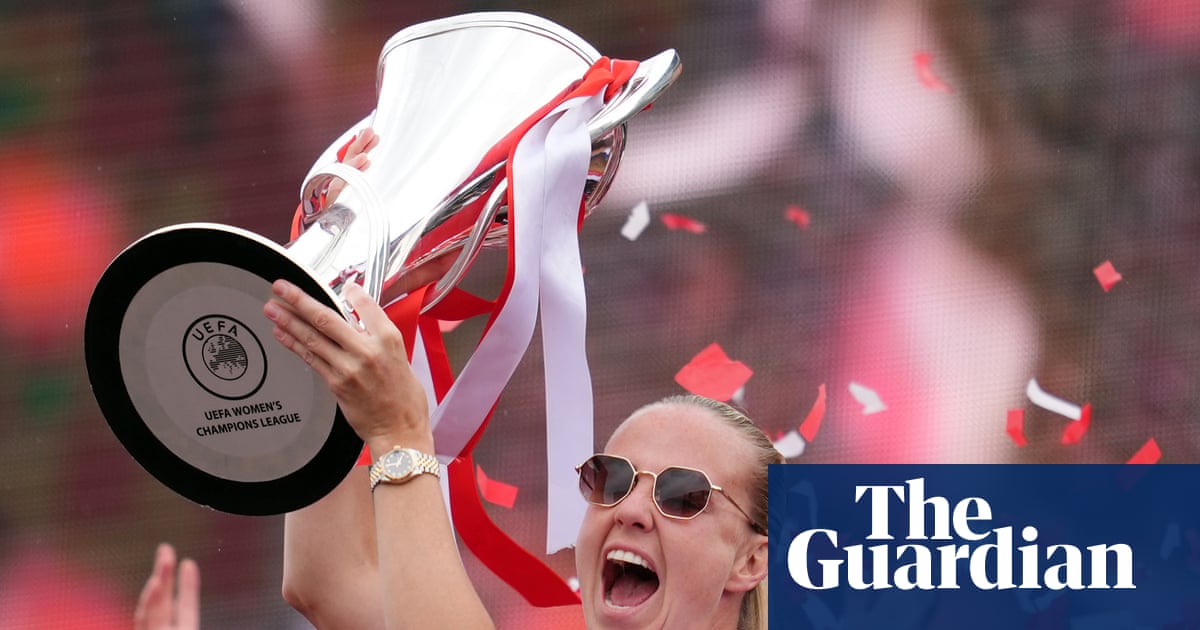
At Chelsea, Bright was part of the furniture. You could not imagine a Blue starting XI without her barking orders at the back. She leaves with 15 major trophies in her cabinet, a haul that would make most Premier League legends look like they were playing for participation medals. Her partnership with the likes of Magdalena Eriksson and later Kadeisha Buchanan was the bedrock of a dynasty.
But we have to talk about the physical reality. Bright is 32 years old, which should be the prime for a center-back. Instead, she looks like she has lived three lifetimes on the pitch. The injuries over the last eighteen months were not just bad luck. They were the bill coming due for a style of play that refused to compromise. She played through pain barriers that would have sent most of us to the emergency room, and eventually, the body stops accepting the apology.
The timing is a nightmare for England. With the World Cup kickoff in the USA and Mexico just 42 days away, Sarina Wiegman is now tasked with replacing a player who cannot be replaced. You can find another fast defender. You can find someone who passes the ball better. You cannot find another Millie Bright. You cannot scout that specific brand of 'get-out-of-my-way' leadership that she brought to the huddle.
The Critical Reality of the Lionesses Burnout
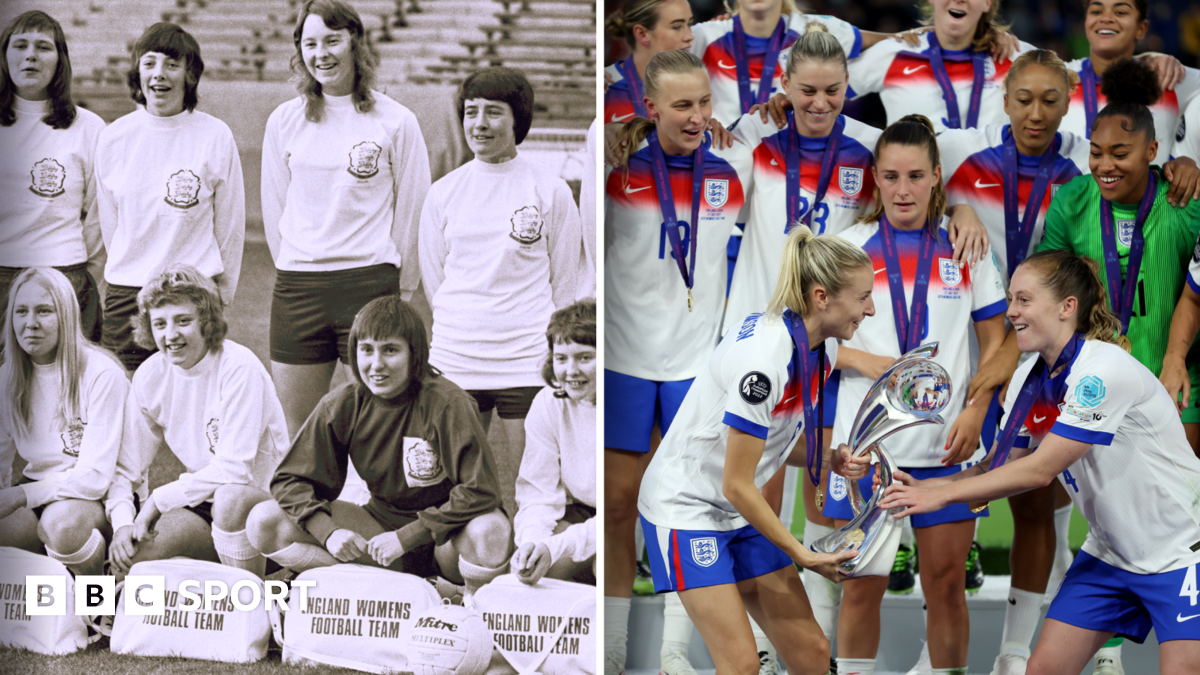
Here is the part people don't want to hear: the English system failed her. We have run the Euro 2022 winning squad into the ground. Between the domestic expansion, the Champions League, and the endless marketing tours, we have treated these players like prize horses until their legs gave out. Bright is the first major casualty of the 'Golden Generation' to walk away while still technically at the top, and she won't be the last.
There were signs of decline, too. In the last few months, her lack of recovery pace became a target for every quick winger in the league. She was relying more and more on her positioning and her aerial dominance to paper over the fact that she couldn't sprint like she used to. There were matches where she looked heavy, struggling to keep up with the high-line tactics that the modern game demands. It was painful to watch a legend get caught in transition, and maybe she realized it before we did.
Her distribution, while often praised for its ambition, had become a bit of a liability. When the pressure was on, she had a habit of launching the ball into the stratosphere rather than playing through the lines. It worked when England was dominant, but as the gap between the top nations closed, those long balls became turnovers. It sounds harsh, but a player of her intelligence knows when the game is starting to pass them by.
What Comes Next for the Brick Wall
So, what does a retired Millie Bright look like? She has already hinted at a future away from the immediate glare of the dugout. She needs to go find that person she lost. If that means sitting in a field in Derbyshire and not thinking about a 4-4-2 for six months, she has earned every second of it. The sport owes her a debt that a few commemorative plaques won't cover.
She finishes with 82 caps, every single one of them earned with sweat and probably a bit of blood. She was the captain who stepped up when Leah Williamson went down with an ACL injury before the 2023 World Cup. She led a depleted squad to a final they had no business being in, simply through the force of her personality. That is the legacy she leaves behind.
The dressing room is going to be quiet without her. The tunnel is going to feel a lot less intimidating for opponents. Millie Bright was the last of a certain kind of defender—the one who enjoyed the defensive side of the game more than the glory. She didn't want the fancy footwork; she wanted the clean sheet. We are losing a specialist in an era of generalists.
Ultimately, her retirement is a victory for her own mental health and a massive loss for the sport. If 0 is the amount of energy she has left to give, then walking away is the only move. It takes more courage to admit you're broken than it does to keep pretending you're fine. Cheers, Millie. The bar is open, the pressure is off, and you finally don't have to be the wall anymore.