The Architect of the Selhurst Revolution
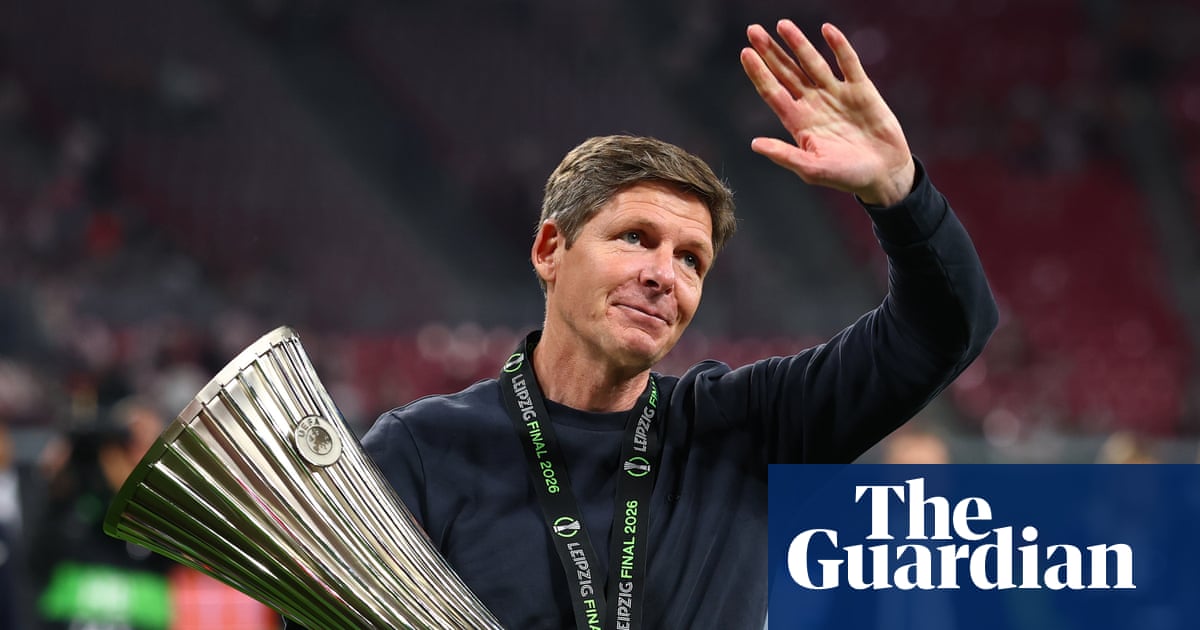
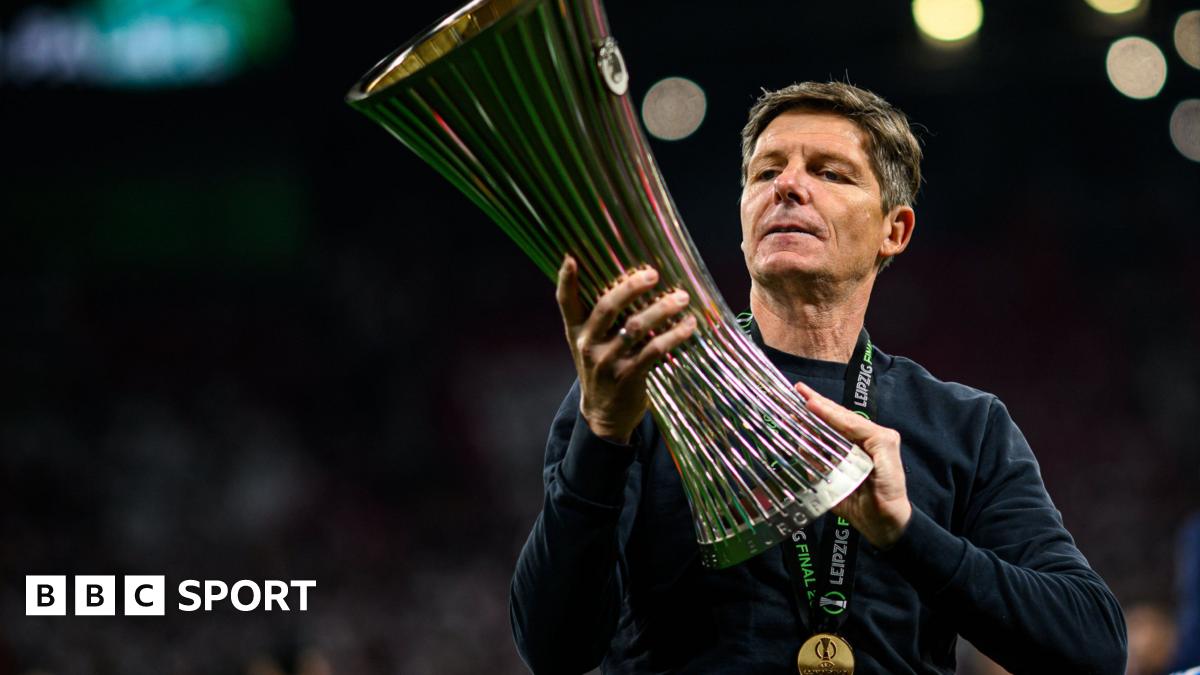
Oliver Glasner’s tenure at Crystal Palace has been a volatile blend of tactical evolution and silverware. As the BBC reports, his legacy is now cemented by a European trophy in a stretch that redefined the club’s ceiling.
We are breaking down the 10 moments that built this era before he exits the building.
The Ranking
- The Conference League Final win. Palace securing a European trophy is the undisputed peak of this 12-month window. It masks the inconsistencies that plagued their league campaign, providing the club with its first major continent-wide honor.
- The tactical shift to a back three. Implementing this structure in early 2026 transformed a stagnant defense into a fluid, pressing unit. It was the fundamental shift that allowed mid-tier personnel to neutralize superior squads.
- The late-season victory over Manchester City. Beating a Pep Guardiola team requires near-perfection, and Palace delivered it with a clinical display of counter-attacking efficiency. This result changed the internal belief that the team could compete with high-pressing giants.
- The appointment of Glasner. The hiring itself was a gamble that paid off, moving the club away from a stale, low-block identity. It signaled a shift in ownership ambition that most fans didn't see coming.
- The away win against Liverpool at Anfield. Winning at this ground is rarely clean, yet Palace managed to hold firm during an sustained second-half barrage. The defensive line held up for exactly 94 minutes, defying the expected goals metrics.
- The breakthrough of young academy talents. Glasner’s willingness to dump older, ineffective veterans in favor of youth provided the squad with much-needed energy. This move was initially met with fan hostility, but the metrics proved the decision was objectively correct.
- The FA Cup quarter-final exit. While a loss, this match revealed the depth limitations that eventually restricted the squad to a secondary European trophy. The team conceded three goals in the final 20 minutes due to bench rotation failures.
- The integration of aggressive wing-backs. This specific stylistic change gave Palace a width advantage that opposing managers struggled to counter. It turned predictable possession into lethal, box-to-box transitions.
- The dressing room ultimatum after the February slump. Following a string of poor results, Glasner reportedly addressed the squad with a blunt assessment of their professional standards. The immediate three-game win streak proved the team responded to his direct communication style.
- The final home game departure. A bittersweet moment that acknowledged his contribution while highlighting the fragility of his tenure. Seeing the squad rally for one last performance proved the emotional buy-in remained despite his impending departure.
The Big Picture
Glasner leaves Crystal Palace as an outlier who actually delivered on the promise of modernity. His inability to fix the bench depth remains his most glaring flaw, preventing a serious assault on the top four.
Honorable Mentions
The narrow penalty shootout win in the domestic cup semi-final deserves credit for sheer nerves, and the 4-0 drubbing of West Ham early in his tenure served as the first real warning to the rest of the league that this Palace side was different.