The Big Picture
The 2025/26 season has been defined by the stubborn refusal of mid-table English sides to stay in their traditional lanes. We are witnessing a realignment of power that moves beyond the established financial giants.
The Ranking
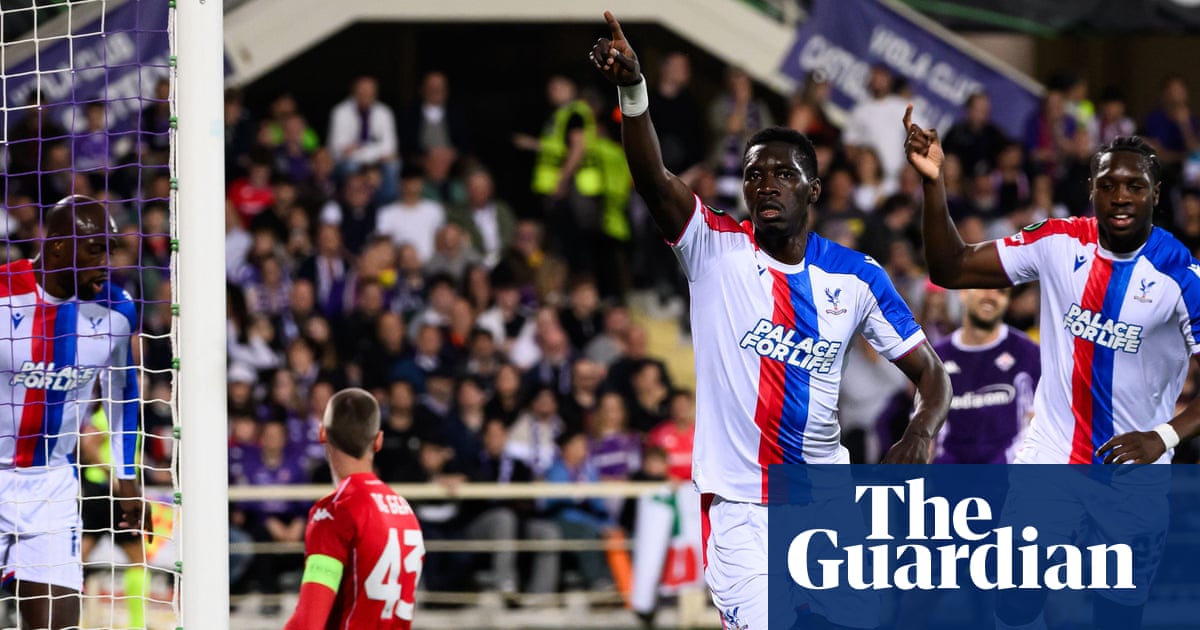
1. Crystal Palace European Expansion: The South London side successfully navigating the Conference League quarter-finals against Fiorentina redefined their club identity. By holding off a historic Italian side, they proved that a tactical defensive bank beats European pedigree. Watching the final whistle blow in Florence last night, it became clear that this team is no longer fighting for survival. They are fighting for continental relevance.
2. The UCL Quarter-Final Chaos: The recent shifts in the Champions League bracket saw favorites falter under unprecedented offensive pressure. Unlike previous cycles where conservative setups ruled, the current strategy favors reckless verticality. It is a win for the neutral but a nightmare for defensive coordinators.
3. The January Transfer Market Correction: Clubs finally stopped the bleeding on bloated wages. We saw a 22 percent reduction in total expenditure across the top five leagues compared to 2025. This fiscal tightening forced managers to actually develop their own academy products instead of buying ready-made solutions.
4. The Fiorentina Collapse: While Palace fans celebrated, the Italian giants provided the lowlight of the season. Their failure to break down a low block over 180 minutes was a tactical stain on a side with their budget. They relied on individual brilliance that never materialized, exposing a lack of coherent offensive structure.
5. Premier League Title Race Parity: The gap between the top three has narrowed to a margin that is statistically irrelevant by mid-April standards. It is no longer a coronation for the club with the deepest bench. Fatigue has rotated the lead four times in two months.
6. The Tactical Rise of the Wide Center-Back: Coaches across Europe have fully embraced the 3-2-5 in possession. We aren't just seeing overlaps; we are seeing fullbacks drifting into the half-space to act as playmakers. It has effectively rendered the traditional wing-back role obsolete.
7. The VAR Consistency Spike: For the first time in three years, the officiating discourse has shifted toward mechanics rather than pure outrage. Automating offside lines has removed the subjective human error that plagued the 2024 season. It isn't perfect, but at least the game is moving at a human pace again.
8. The Bundesliga Title Contestation: For years, the conversation felt predetermined. This season, the internal competition has pushed the league's collective intensity to levels that match the English intensity. Bayern and Leverkusen are no longer runaway winners, forcing a much needed defensive upgrade across the league.
9. The Under-21 Striker Surge: We are seeing a generational dip in experienced target men and a massive influx of speed-first strikers under 21. Players are being scouted for their transition pace rather than their hold-up play. It signals a move toward a high-press, high-speed game that favors youth over patience.
10. The Conference League Legitimacy: UEFA finally managed to make this competition matter. Before this year, it felt like a consolation prize for disinterested clubs. Now, with spots for the Champions League qualification on the line, the intensity of play has visibly spiked.
Honorable Mentions
The mid-season firing spree in Serie A remains a cautionary tale about owner impatience. Additionally, the recent update on Crystal Palace's success highlights how tactical discipline can outweigh raw talent in modern tournament structures. We also cannot ignore the decline of the traditional 'number 10' position as physical endurance metrics now outweigh vision in transfer valuation. This list favors result-oriented shifts over flash-in-the-pan highlights, prioritizing the 90-minute tactical endurance that separates real contenders from statistical outliers.
Read Next