Setting the Stage for the Closing Stretch
The 2026 season has been defined by defensive collapses and individual brilliance that tilted title races. As we approach the final weeks, the hierarchy of European football has shifted in real-time based on high-stakes performances.
The Ranking: Moments That Matter
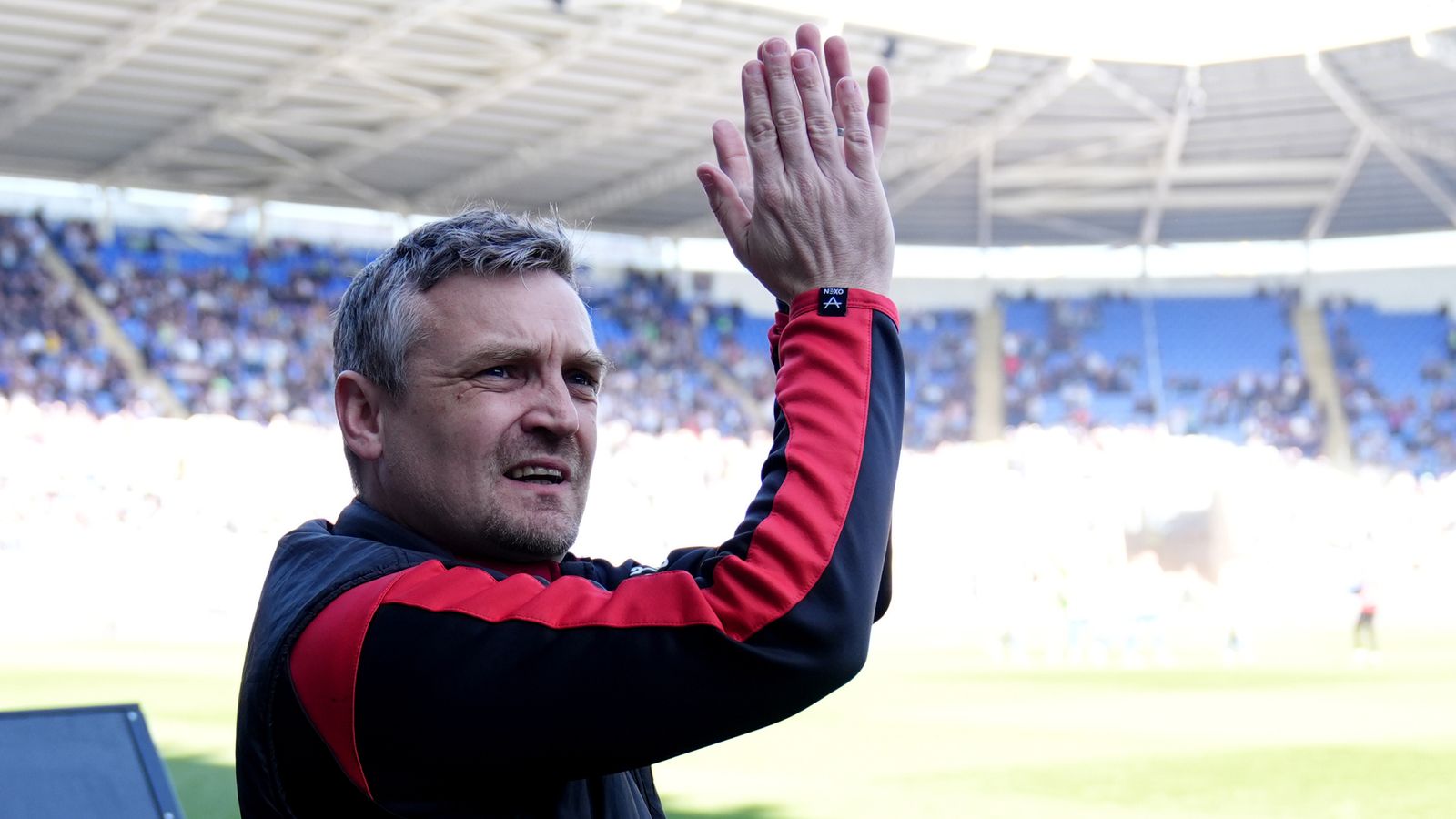
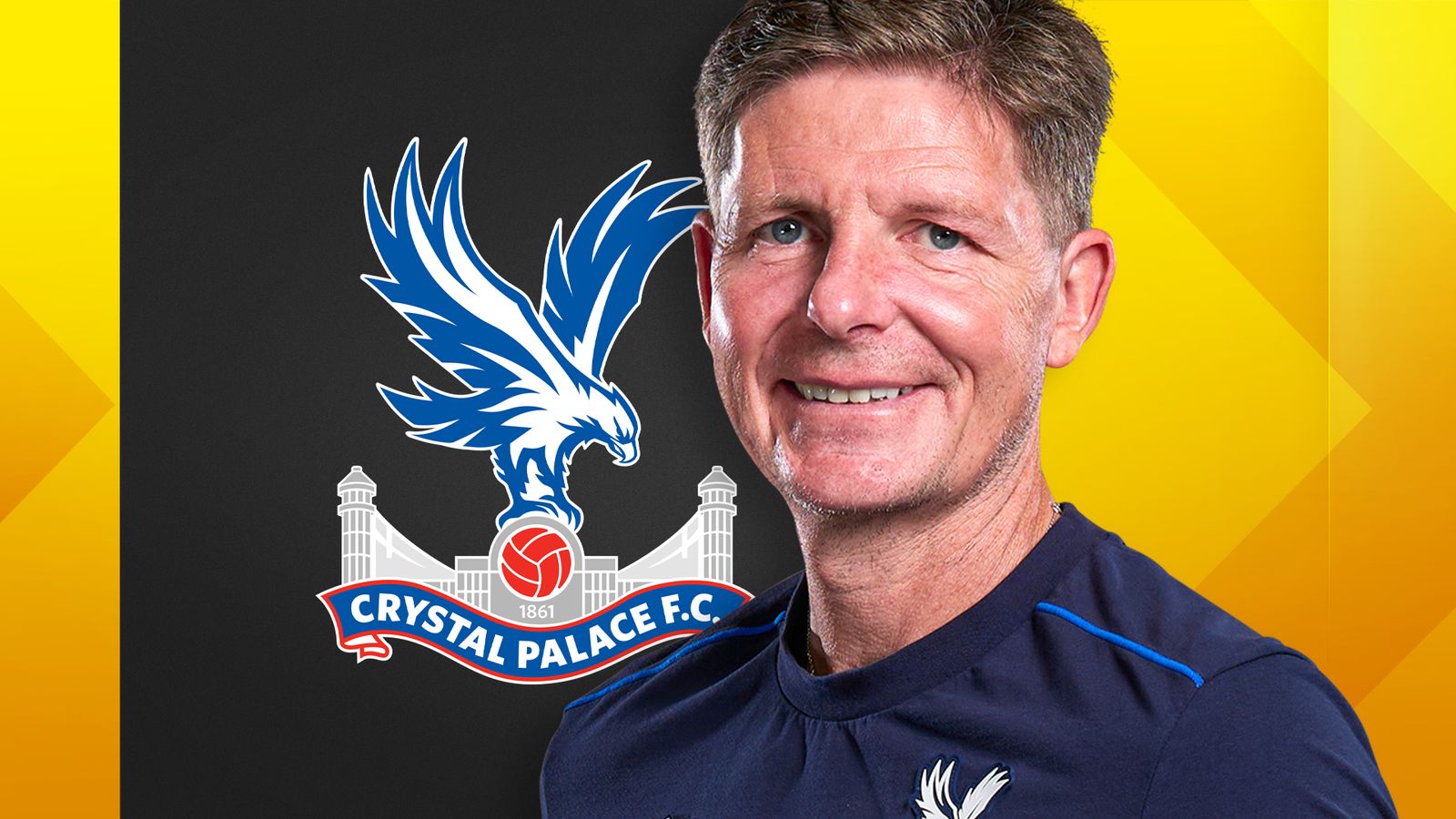
1. Jean-Philippe Mateta's scoring surge for Crystal Palace. Oliver Glasner has unlocked a clinical version of the striker, turning Selhurst Park into a fortress through sheer offensive pressure. Mateta's recent output has been the primary engine for Palace’s mid-table stability, forcing defenses to respect the counter-attack. It is a masterclass in tactical adaptation under a manager who demands verticality. This momentum is the biggest story in South London right now, as Sky Sports reports Glasner’s public backing of the forward.
2. Manchester City’s defensive vulnerability in the Champions League quarter-finals. The squad has looked uncharacteristically fragile against high-pressing teams this spring. Allowing back-to-back goals in transition has turned what should have been comfortable ties into nerve-wracking affairs. It is a rare flaw in a machine usually built for total control.
3. The emergence of tactical rigidity in late-season substitute patterns. Too many managers are sticking to pre-baked 75th-minute sub windows regardless of game state. This lack of situational awareness has cost teams points when momentum clearly favored an earlier adjustment. It is the most frustrating trend in 2026 football management.
4. The rapid inflation of striker market values. Scouts are now valuing physical presence over technical fluidity, leading to inflated fees for target men. Clubs that failed to secure their profiles early are paying a premium as the window nears. This is a short-sighted approach that often ignores a team's deeper creative needs.
5. The scheduling congestion of April. Players are hitting an attrition wall as legitimate contenders play every three days. The fatigue is palpable in the 80th minute of matches league-wide. Rotation is no longer a luxury; it is the only way to avoid catastrophic tournament exits.
6. Real Madrid’s comeback intensity in high-leverage fixtures. No matter the deficit, the psychological edge remains firmly with them. Their ability to force errors from opponents late in games keeps them ahead of more stable tactical sides. It is maddening for rivals but undeniable in the final score.
7. Arsenal’s set-piece efficiency. Mikel Arteta has refined the dead-ball routine into a weapon that swings games against low-block opponents. Their goals from corners are not luck; they are highly choreographed chaos. Other clubs are still struggling to find a sustainable answer for these movement patterns.
8. The decline of the traditional playmaker role. Midfielders are increasingly required to be box-to-box dynamos rather than purely creative passers. Teams are sacrificing the final ball for the sake of defensive transition work. It results in tighter games but far less artistry in the middle third.
9. The VAR communication delays. Despite calls for transparency, match-altering decisions still take several minutes to resolve. These pauses drain the kinetic energy from stadiums and leave fans in the dark. It is the single biggest failure in maintaining a high-quality product for the fans.
10. Bayern Munich’s instability on the road. For such a decorated side, their away form has been puzzlingly poor in 2026. They struggle to impose their will when the home crowd rallies, often conceding early goals that force them to chase matches. It is a sign that their dominant aura is starting to crack under pressure.
The Big Picture
The 2026 campaign is reaching a fever pitch where minor tactical tweaks are yielding massive consequences. Teams that failed to rotate or adapt their defensive schemes are now watching their European ambitions crumble against more flexible squads. The coming weeks will reveal which clubs truly possessed the depth to maintain their intensity.
Honorable Mentions
The breakout form of young wingers in Ligue 1 and Tottenham’s defensive lapses during the mid-season stretch. Both themes highlight the disparity between top-tier coaching and squad development. While the focus remains on the trophies, the tactical failures remain just as instructional as the title-winning efforts.