The high cost of Spurs' pitch technology
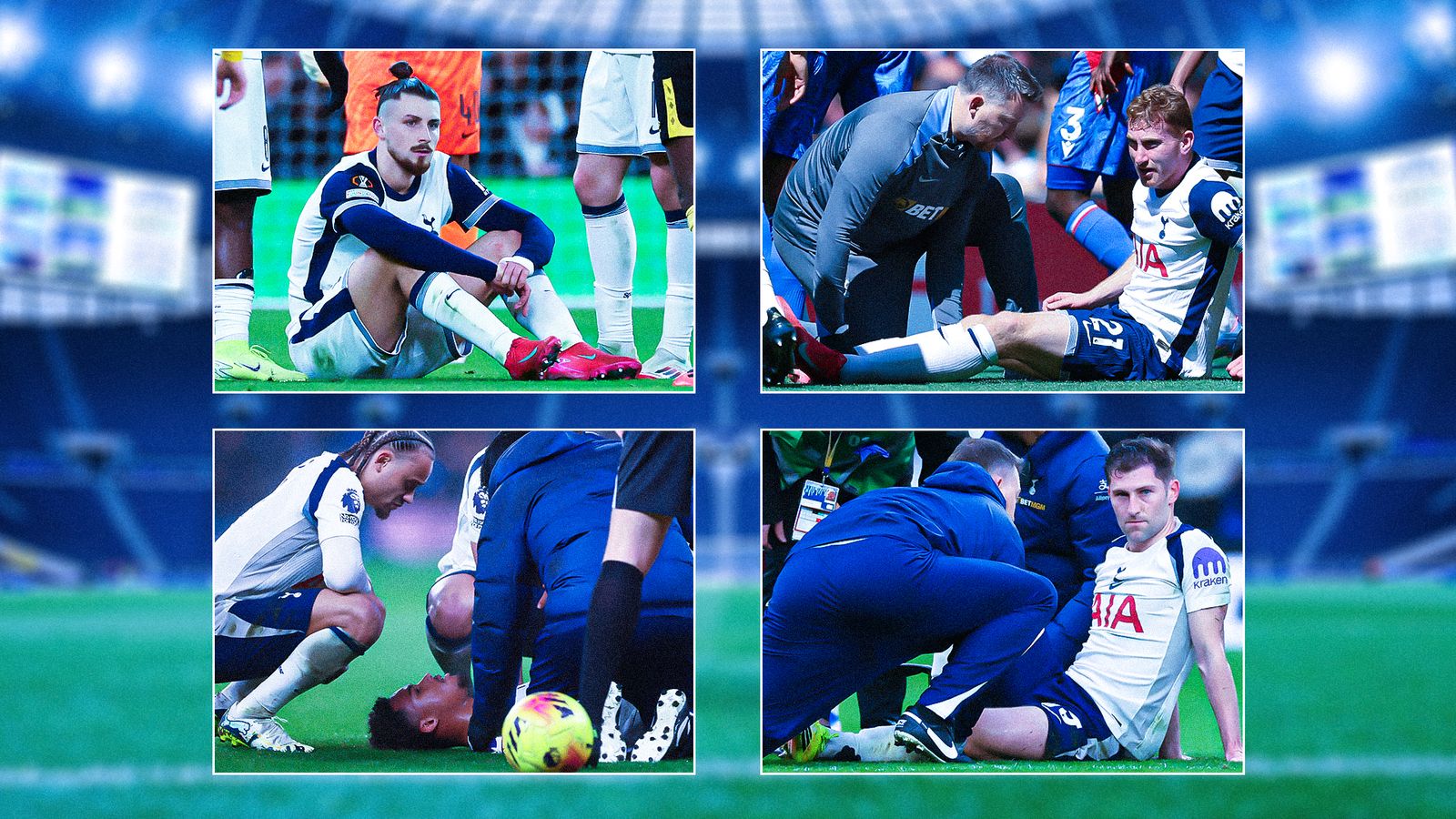
Tottenham Hotspur are currently conducting a forensic internal review into a persistent injury crisis that has plagued their squad for months. Club officials are investigating every variable of the training facility and stadium operations. The retractable pitch at the Tottenham Hotspur Stadium is a primary target of this inquiry, as medical staff look for any correlation between the surface mechanics and the frequent muscular issues occurring among first-team players.
This investigation comes after a season defined by availability gaps that derailed the team’s tactical momentum. While the pitch technology is world-class for stadium versatility, the club’s medical department is concerned about the impact on player physiology during high-intensity training sessions held on the same surface. The review is reportedly looking at both the tension of the turf and the moisture control systems installed under the grass profile.
The historical weight of recurring ailments
Spurs are not the first club to scrutinize their home surface, but the scale of this review indicates a departure from standard maintenance protocols. Historically, clubs transitioning to hybrid or retractable models often face a two-year 'settling period' where soft-tissue injuries spike due to the lack of surface give. Tottenham’s data suggests their current injury rate has exceeded these industry averages.
Data shows that injuries increased by 22 percent compared to the previous season, specifically targeting the hamstring and calf groups. These are rarely impact injuries, which points toward chronic fatigue and recovery deficits. If the team cannot stabilize the fitness of their key defenders, the tactical defensive line will remain soft throughout the opening phases of the next campaign.
Tactical friction and the medical bottleneck
The strategic implications for management are severe. A manager cannot refine a pressing system if the starting XI is rotating every three matches. Sources close to the training ground note that the coaching staff has been forced to dial back training intensity, which undermines the aggressive, front-foot style the club ostensibly wants to play. This is a clear failure in resource management.
When medical systems dictate the training schedule rather than the manager’s tactical philosophy, the competitive ceiling drops. Players are being managed by minutes and heart-rate monitoring rather than tactical necessity. This administrative necessity creates a dependency that hampers the fluidity required to challenge for top-four spots. It is a fundamental friction point between ground staff, medical performance coaches, and the bench.
Timeline for resolution and industry fallout
The review is expected to conclude before the start of the 2026/27 campaign, but potential changes to the pitch substrate might require months of installation work. If engineers identify that the retractable system is indeed a contributing factor, the club may have to choose between keeping the stadium's profit-driven versatility or optimizing for squad fitness. This is a classic board-room headache: fiscal output versus on-pitch equity.
As Sky Sports reported, the scope of this audit covers everything from staffing levels in the physio room to the specific nutritional plans for players training on the stadium surface. The club's inability to minimize these absences has become a primary critique of their operational efficiency. Until the infrastructure is deemed safe by the new medical oversight panel, the rotation policy will likely persist, limiting the manager's ability to get a settled side on the pitch.
The club has avoided labeling this solely as a sports science failure, framing it instead as a modernization effort for their complex facility. However, results speak for themselves. With 44 missed fixtures across the roster this season, efficiency is low. The board faces mounting pressure to deliver a concrete answer before the winter schedule creates another wave of physical strain.
Ultimately, the performance gap between Tottenham and their rivals is partially explained by a squad that cannot remain at full strength for more than a month of competitive play. The club is gambling that a mechanical tweak to their stadium floor will fix a human problem. If the trend continues into the next season, the entire medical leadership unit will likely face a total overhaul.
Read Next
- Tottenham's summer transfer strategy is turning heads for all the wrong reasons
- Marcus Rashford’s imminent departure signals a messy summer for United
- Arsenal's domestic reign is complete but Europe remains the final frontier
- Chelsea holding firm on Joao Pedro is their smartest move in years
- 🏆 Europa League Final 2026 — Full Coverage Hub