The Big Picture
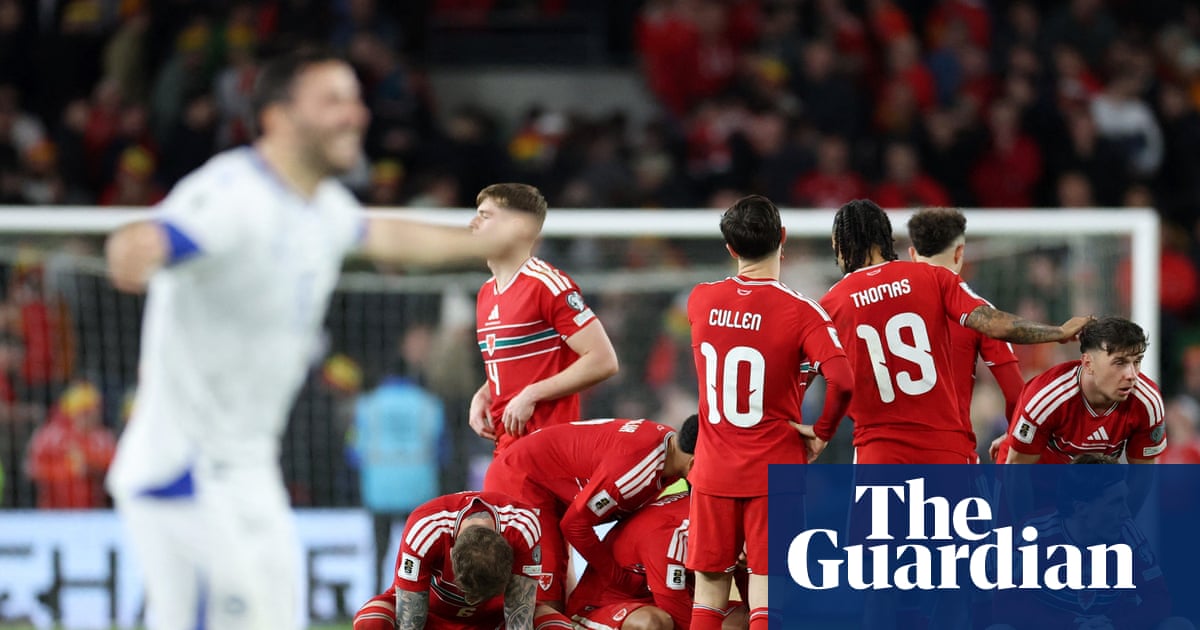
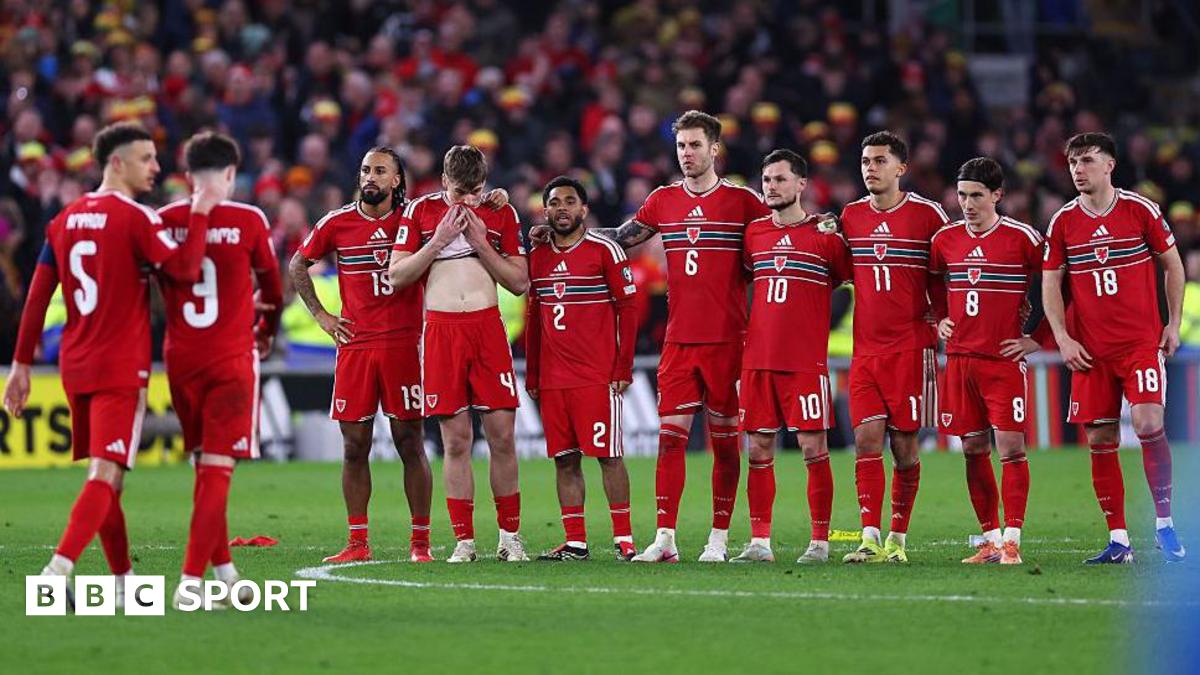
Wales stands on a knife-edge following a night of raw emotion and tactical warfare at the Cardiff City Stadium. This World Cup Play-off semi-final against Bosnia-Herzegovina was supposed to be the moment Steve Cooper’s side asserted their dominance on the road to the 2026 finals. Instead, a game defined by individual brilliance and a late defensive lapse has left fans sweating over the final outcome. It was a match that reminded everyone why international football is both the most rewarding and the most punishing version of the sport.
The Rankings
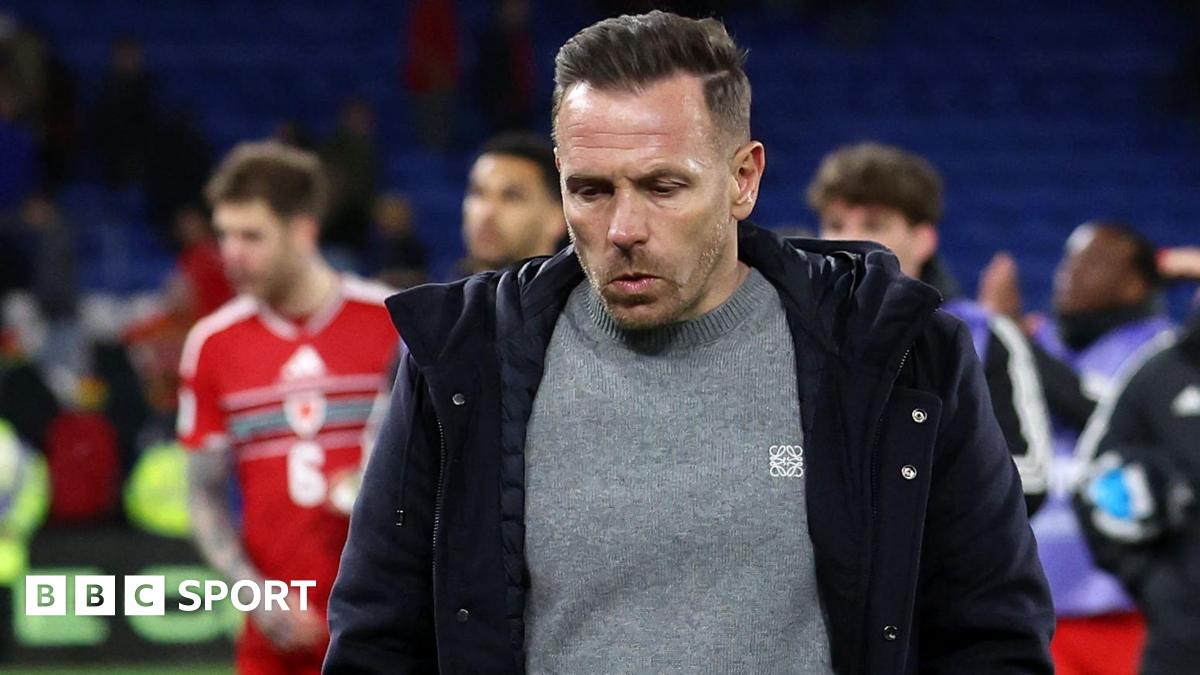
10. The Tahirovic Friction. The buildup was marred by a bizarre war of words between Steve Cooper and the visiting coaching staff. A claim regarding Benjamin Tahirovic sparked a pre-match row that refused to die down, with the Bosnian boss bluntly refusing to apologize for his comments. It set a cynical tone before a ball was even kicked, suggesting the visitors were more interested in psychological games than open football. Cooper handled the distraction with his usual poise, but the needle remained evident in every heavy challenge throughout the first half. It was a reminder that at this level, the battle starts in the press room long before it reaches the pitch.
9. Harry Wilson’s Woodwork Curse. Football is a game of inches, and Harry Wilson found that out the hard way in a sequence that could have changed the entire complexion of the tie. With Wales leading and looking to kill the game, Wilson unleashed a strike that had the keeper beaten and the crowd ready to celebrate. The ball thudded off the post and stayed out, a moment of misfortune that allowed Bosnia to stay within touching distance. As Sky Sports reported in their live coverage, it was a sequence that left the stadium breathless. You cannot win games on "what ifs," but Wilson’s near-miss felt like a sliding doors moment that the hosts would eventually regret.
8. The Midfield Grind. In the absence of some veteran presence, the Welsh engine room had to step up and match the physicality of a rugged Bosnian side. It wasn't always pretty, as the match frequently descended into a series of tactical fouls and aerial duels that slowed the tempo to a crawl. The ability to keep composure when the opposition is trying to bait you into a red card is a skill in itself. Wales showed maturity here, refusing to be bullied off the ball even when the referee seemed content to let the play flow through heavy contact. This grit is what gets teams through play-offs, even when the flair players are being marked out of the game.
7. The Defensive Wall Crumbling. For eighty minutes, the Welsh backline looked impenetrable, marshaling the box with the kind of discipline Cooper has demanded since taking the job. They restricted Bosnia to half-chances and speculative efforts from distance, looking comfortable against a physical strike force. However, the one time they switched off was the one time it mattered most. A lack of communication on a late cross allowed a veteran striker to find space that should never have existed. It was a harsh lesson in concentration; at this level, you don't get 90 minutes of safety, you get 89 minutes of work undone by 60 seconds of hesitation.
6. Bosnia’s Tactical Cynicism. You have to give credit to the visitors for executing a plan that was designed to frustrate and irritate. They were happy to concede possession, sitting deep and inviting Wales to try and break through a narrow, well-drilled defensive block. Whenever Wales looked to transition quickly, a tactical foul would inevitably follow to disrupt the rhythm. It’s a style of play that many purists hate, but in a knockout environment, it is incredibly effective. They didn't come to Cardiff to entertain; they came to survive, and they managed to do exactly that by dragging the game into the trenches.
5. The Red Wall. There is no atmosphere in international football quite like Cardiff under the lights for a do-or-die fixture. The rendition of Hen Wlad Fy Nhadau was enough to rattle the visitors before the whistle, and the support never wavered even when the game hit a lull. The fans understood their role, acting as the twelfth man and pushing the players during the final, frantic ten minutes. Without that vocal backing, it’s easy to imagine the team folding after the equalizer. The connection between this squad and the supporters remains the most potent weapon in the Welsh arsenal as they look toward the summer.
4. Karl Darlow’s Vital Intervention. While the headlines will go to the goalscorers, Karl Darlow’s performance between the sticks was the reason Wales didn't leave empty-handed. He produced a series of saves that showed exactly why he has earned the trust of the national setup in this high-pressure cycle. One particular stop in the first half was world-class, reacting to a deflected shot that looked destined for the bottom corner. A goalkeeper’s job in these games is to stay alert for the two or three moments they are actually needed. Darlow did that and more, providing a sense of security that the rest of the team leaned on when the pressure mounted.
3. The Dzeko Dagger. Even at his age, Edin Dzeko remains a predator in the box who only needs half a chance to ruin a defender's night. The Bosnian captain was largely anonymous for most of the match, shadowed effectively by the Welsh center-backs. But in the 89th minute, he showed exactly why he is his nation’s all-time leading scorer. A pinpoint cross found his head, and the finish was clinical, directed away from the keeper with effortless power. It was a crushing blow for the home side and a reminder that you can never count out a player with that much experience in elite European football.
2. The Play-off Stakes. This wasn't just another international friendly; it was a battle for a place on the world stage with only 77 days remaining until the tournament kicks off. The tension was evident in every misplaced pass and every frantic clearance during the closing stages. Playing with that kind of weight on your shoulders changes the mechanics of the game, making the simple things feel complicated. You could see the exhaustion on the players' faces at the final whistle, a physical manifestation of the mental toll these fixtures take. The dream of the World Cup is a powerful motivator, but it also creates a fear of failure that can be paralyzing.
1. The Dan James Stunner. If you are going to score a goal in a World Cup Play-off, it might as well be a Puskas contender. Dan James produced a moment of absolute magic, catching a cleared ball on the full volley from at least 25 yards out. The technique was flawless, the connection was pure, and the ball screamed into the top corner before the keeper could even register a dive. As the goal of the year, it provided a spark that ignited the stadium and gave Wales a lead they desperately needed. Even with the late drama, this strike remains the defining image of the match, a highlight-reel moment that will be replayed for decades regardless of how the rest of the campaign unfolds.
Honorable Mentions
A quick shout-out to the Welsh medical staff for keeping the squad fit through a grueling week of training and the substitutes who tried to inject life into the game late on. Special mention also goes to the traveling Bosnian supporters who made their voices heard in a hostile environment. This 1-1 result leaves everything to play for, setting up a return leg that promises to be even more intense than what we saw tonight in Cardiff.
Read Next
- Craig Bellamy is entirely right about Wales and Bosnia will pay the price
- Italy are staring down another World Cup disaster in Bergamo
- Harry Wilson is actually doing the impossible for Wales right now
- Top 10: Republic of Ireland’s Masterclass in Prague
- 🏆 World Cup 2026 — Full Coverage Hub
- 🏴 Wales at the 2026 World Cup — Full Coverage Hub
- 🇧🇦 Bosnia & Herzegovina at the 2026 World Cup — Full Coverage Hub