Measuring the Threshold of Meltdown
The 2026 qualification cycle forced national teams to operate under extreme pressure, with margins for error thinning to almost nothing. These ten moments define the heartbreak, the tactical shifts, and the definitive failures that shaped the road to this summer's tournament.
1. Ireland’s Penalty Shootout Collapse in Prague
The failure of the Republic of Ireland to secure a World Cup spot is the defining disaster of the cycle. A 0-0 draw in Prague forced a penalty shootout that ultimately ended in total heartbreak for Heimir Hallgrimsson’s squad. Missing out on the tournament entirely, as recently addressed in broader discussions of international qualification woes, remains a bitter pill for the nation. This moment secures the top spot because it represents a complete structural breakdown for a side that failed to execute when it mattered most.
2. Bellamy’s Tactical Chaos in Cardiff
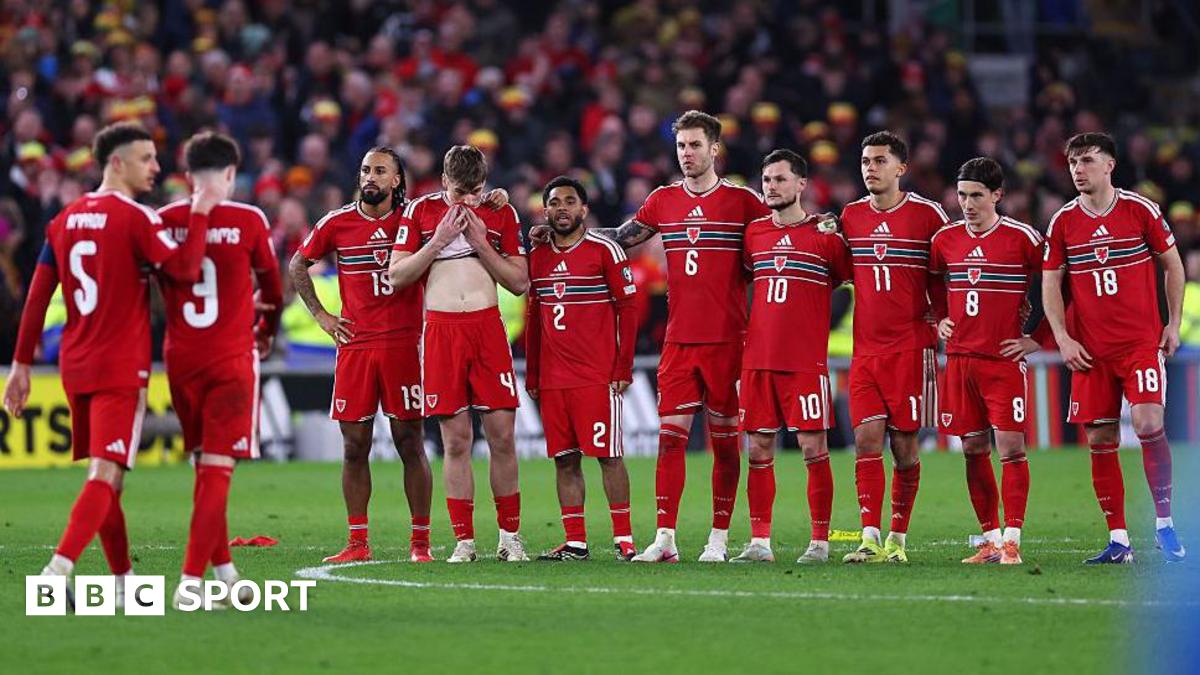
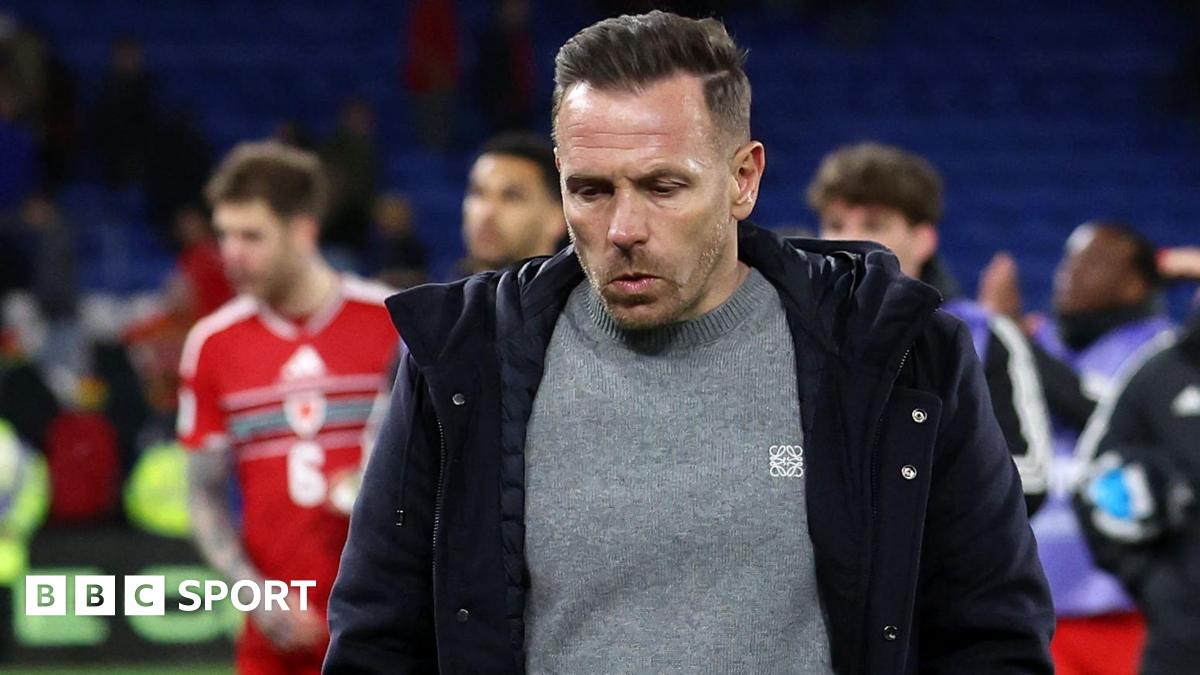
Craig Bellamy’s tenure as Wales head coach hit a massive wall during the play-off semi-final against Bosnia-Herzegovina. The match descended into a chaotic tactical mess, ultimately costing the team their World Cup dream. While Bellamy insists the future is bright, failing to organize his defense in a high-stakes knockout game is a massive indictment of his preparation. It ranks here because it exposed flaws that a manager of his pedigree should have identified months prior.
3. The Bosnia-Herzegovina Grinding Defensive Display
Bosnia-Herzegovina’s ability to suffocate the Welsh midfield was the most disciplined defensive masterpiece of the play-off round. By forcing the match into a 0-0 stalemate, they manipulated the volatility of a knockout environment to their advantage. They occupy the third spot because they turned a lack of star power into a concrete strategic victory against a superior opponent. This was not pretty football, but it was perfectly effective at the highest level.
4. The Mid-Cycle Sackings
Nations that pulled the trigger on managers in December and January failed to see the expected bounce. The desperate scramble to install new philosophies three months before the play-offs proved disastrous for team chemistry. This trend ranks fourth because it highlights how institutional impatience frequently leads to poor tournament outcomes. These teams were effectively managed into the ground by boards more afraid of bad press than building a coherent system.
5. The VAR Intervention in Group Play
Mid-way through the qualifying groups, a massive refereeing controversy involving a disallowed goal changed the standing of at least three nations. The subsequent fallout led to a public apology from FIFA officials, though the results remained set in stone. This moment lands in fifth because it illustrates how technical reliance can undermine the integrity of the entire qualification process. It was a failure of technology as much as it was a failure of the officiating staff.
6. The Unexpected Goalscoring Droughts
Several major European nations suffered a collective offensive collapse in the final three matchdays. Strikers who scored for fun at the club level turned into ghosts when representing their national colors. The inability of high-profile players to adjust their shooting boots to the international pace is a damning reflection of their lack of versatility. It ranks here because it reveals that depth, not just top-end talent, is what actually separates the qualifiers from the home-watchers.
7. The Tactical Inflexibility of Veteran Managers
Watching several veteran coaches refuse to adapt their formations when facing high-pressing opponents was the most frustrating aspect of the final qualifiers. They stuck to systems that had been solved by mid-table teams for years. This stubbornness earns seventh place for being the clearest example of management ego overriding common sense. These coaches were paid millions to lose in exactly the same way they lost in 2022.
8. The Late-Game Defensive Meltdowns
Giving up goals after the 88th minute became a recurring theme for teams predicted to qualify comfortably. These lapses in concentration resulted in a high volume of points dropped in injury time. Even the most organized sides proved allergic to defending a lead, indicating a massive shortfall in physical fitness and mental sharpness. It highlights a recurring theme of complacency that turned sure-fire victories into agonizing draws.
9. The Home Crowd Pressure Factor
Matches in cities where the home fans turned on their own players early in the second half created an impossible environment for some squads. When the crowd boos during a goal kick in the 55th minute, it is clear that the campaign is effectively over. This psychological pressure is why playing at home became a hindrance rather than a benefit for a specific set of struggling European nations. It ranks ninth because it quantifies the impact of fan expectations on underperforming professionals.
10. The Final Whistle in the Play-Offs
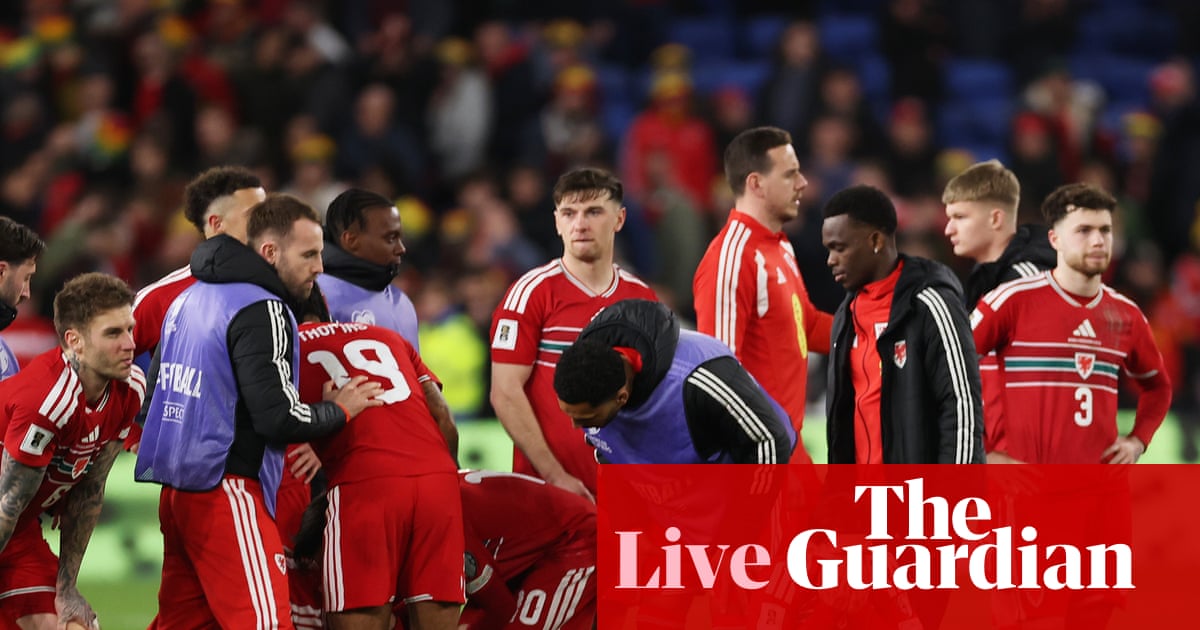
The image of players collapsing on the pitch as the referee signals the end of their World Cup dreams is the defining image of the entire cycle. It is a moment of raw, unvarnished defeat that cuts through all the tactical talk. Everything else on this list is a lead-up to this specific, brutal reality. It sits at tenth only because it is the logical conclusion that we all knew was coming for the teams that failed to execute throughout the year.
Honorable Mentions
The emergence of younger squads that lacked experience but showed more heart than their senior counterparts deserves a mention. Conversely, the lackluster performance of teams with top-tier rosters remains a critical question mark heading into 2026. These teams clearly missed their windows to build cohesive units, and their absence will be noted in the upcoming tournament group stages.
Read Next
- Top 10: The Highs and Heartbreak of Wales' World Cup Play-off Drama
- Wales' World Cup dream died in chaos and Bellamy's bright future isn't enough
- Heimir Hallgrimsson is feeling the pain and so is every Irish fan right now
- Ireland's World Cup Dream Dies in Prague, Hallgrimsson Laments 'Pain'
- 🏴 Wales at the 2026 World Cup — Full Coverage Hub