The Big Picture
Sunderland are no longer just making up the numbers in the Premier League. Today’s 2-1 comeback victory at Everton proves that the Black Cats have the tactical discipline and mental steel to gatecrash the European conversation. Under Régis Le Bris, this squad has transitioned from a developmental project into a genuine top-flight disruptor that refuses to blink when the pressure mounts.
1. Régis Le Bris
The Frenchman is the undisputed architect of this transformation. While other managers would have panicked when Everton took an early lead today, Le Bris remained a statue on the touchline, trusting his system to eventually grind the opposition down. His ability to integrate a heavy influx of continental talent while maintaining the club's identity has been the story of the season.
Critics initially questioned if his possession-heavy style would survive the physical attrition of the English game. Today was the answer. Sunderland dominated the ball in the final twenty minutes, moving Everton’s tired defensive line from side to side until the gaps finally appeared for the winner. It was a coaching masterclass in patience and execution.
2. Enzo Le Fée
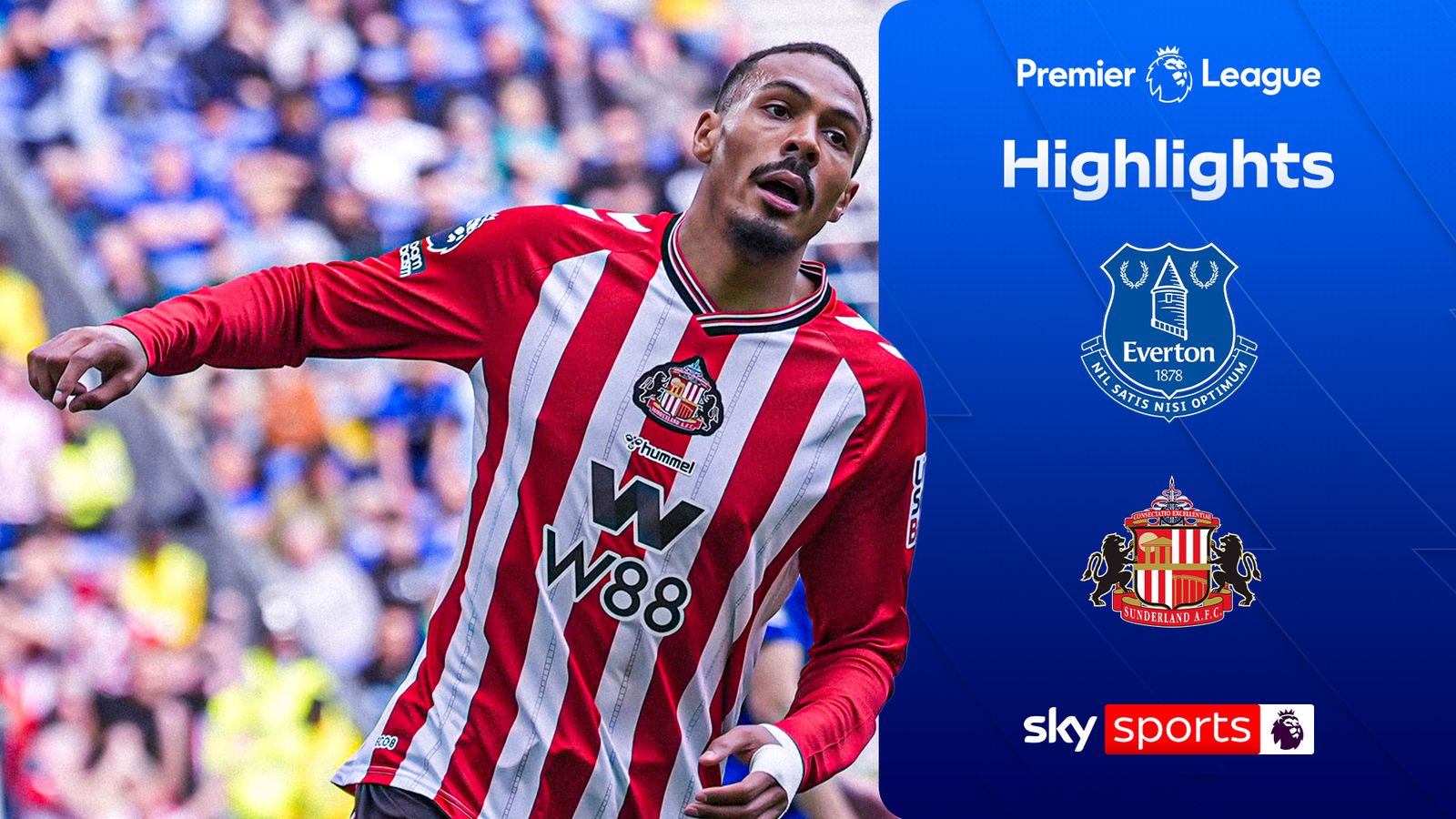
Clutch players define seasons, and Le Fée has become the heartbeat of this midfield. His goal in the 81st minute today was a showcase of pure technical quality, drifting into the box to finish a move that he started in his own half. As Sky Sports captured in the highlights, the vision required to pick that spot under pressure is exactly why Sunderland broke their transfer record for him.
Beyond the goals, Le Fée provides a level of control that Sunderland lacked for over a decade. He completed nearly 90 percent of his passes today despite Everton’s attempts to bypass the midfield with long balls. He isn't just a playmaker; he is the guy who decides when the game starts and stops, which is a rare commodity for a team recently promoted.
3. The January FA Cup Scalp
You can trace the team’s current confidence back to that afternoon at Hill Dickinson Stadium in January. Knocking Everton out of the FA Cup on their own turf wasn't just a cup run highlight; it was the moment the squad realized they belonged on this stage. It broke the psychological barrier of playing away at established Premier League venues.
That result changed how opponents viewed Sunderland. They stopped being treated as a plucky underdog and started being prepared for as a threat. The fact they returned today and repeated the feat in the league proves that the cup win was no fluke. It was the foundation for the belief they currently carry into every matchday.
4. Brian Brobbey
Every successful side needs a focal point, and Brobbey has been a physical nightmare for Premier League center-backs. His equalizer today was a classic example of his utility, using his frame to shield the ball before turning and firing home. He doesn't just score; he occupies two defenders at all times, creating the space that Le Fée and Isidor exploit.
There was significant skepticism about whether his Eredivisie numbers would translate to a more defensive league. Those doubts have been buried under a mountain of goal involvements. Brobbey brings a level of arrogance to the front line that Sunderland fans haven't seen since the days of Jermain Defoe, albeit with a much more physical profile.
5. Wilson Isidor
While Brobbey and Le Fée grab the headlines, Isidor is the engine that makes the counter-press work. As The Guardian reported, he was instrumental in the turnaround today, stretching the play and forcing Everton into desperate clearances. His versatility allows Le Bris to switch between a 4-3-3 and a 4-2-3-1 without changing personnel.
Isidor’s work rate often goes unnoticed by the casual observer, but his defensive contributions are massive. He tracked back 40 yards today to stop an Everton break in the first half, a sprint that likely saved a certain goal. He is the ultimate team player in a system that demands total commitment from its wide men.
6. The Hill Dickinson Double
Winning twice at the same stadium in a single season is a feat usually reserved for the elite. Sunderland have effectively made themselves at home in one of the most hostile environments in the North West. It speaks to a tactical flexibility that allows them to absorb pressure and hit teams on the break when the home crowd begins to turn.
This dominance over Everton has massive implications for the table. It’s a six-point swing that has essentially swapped the trajectories of the two clubs. While Everton look like a side in decline under the weight of expectations, Sunderland look like a club that is just getting started with its upward mobility.
7. The Top-Eight Hunt
Mathematically, Sunderland are now in the hunt for a top-eight finish, a prospect that would have seemed delusional back in August. Today’s win puts them in a position where they control their own destiny heading into the final fixtures. They are the wildcard in the European race that none of the Big Six wanted to deal with.
The financial rewards of a top-eight finish would accelerate the club's five-year plan by at least two seasons. It provides the leverage needed to keep players like Le Fée and Brobbey when the inevitable summer bids arrive. It isn't just about the trophy cabinet; it is about the structural survival of a project that is punching well above its weight class.
8. The Recruitment Model
Sunderland's hierarchy deserves credit for ignoring the usual Premier League scouting tropes. Instead of overpaying for mid-table domestic experience, they targeted undervalued technical specialists from the French and Dutch markets. This strategy has provided Le Bris with a squad that is younger, faster, and more technically gifted than most teams in the bottom half.
The integration of these players has been seamless. Usually, a team with this many new faces struggles for cohesion in the first six months. Sunderland bypassed that phase entirely, which suggests the scouting department is looking for personality traits as much as physical data. They have built a team of leaders, not just athletes.
9. Defensive Transition
The most impressive stat from today’s win wasn't the possession; it was the lack of shots conceded in the second half. Sunderland have mastered the art of the defensive transition, turning their own attacks into a suffocating wall the moment they lose the ball. This prevents teams from hitting them on the break, which was their Achilles' heel in the Championship.
This defensive solidity starts with the discipline of the midfield pivot. They aren't just sitting deep; they are actively dictating where the opposition is allowed to play. Today, they funneled Everton into wide areas where they had no joy, forcing cross after cross into a box that Sunderland comfortably cleared. It was defensive geometry at its finest.
10. The Slow-Start Syndrome
If there is one critical observation to be made, it is that Sunderland often need a punch in the face before they start playing. Today was the third time in five matches where they conceded first and looked sluggish in the opening 20 minutes. You cannot consistently give away leads in this league and expect to survive indefinitely.
Against a higher caliber of opponent—like a Liverpool or a City—that early deficit would have been three goals instead of one. While the comeback is heroic, the necessity of the comeback is a flaw that Le Bris must address. They are playing with fire by starting games in second gear, and eventually, a team is going to make them pay for that lack of early intensity.
Honorable Mentions
The traveling support deserves a nod for making the trip to Merseyside and out-singing the home crowd for 90 minutes. Also, a shoutout to the medical staff; keeping a high-pressing squad this healthy through May is a feat in itself. Finally, the development of the academy products who are beginning to fill the bench provides hope that this isn't just a flash in the pan.