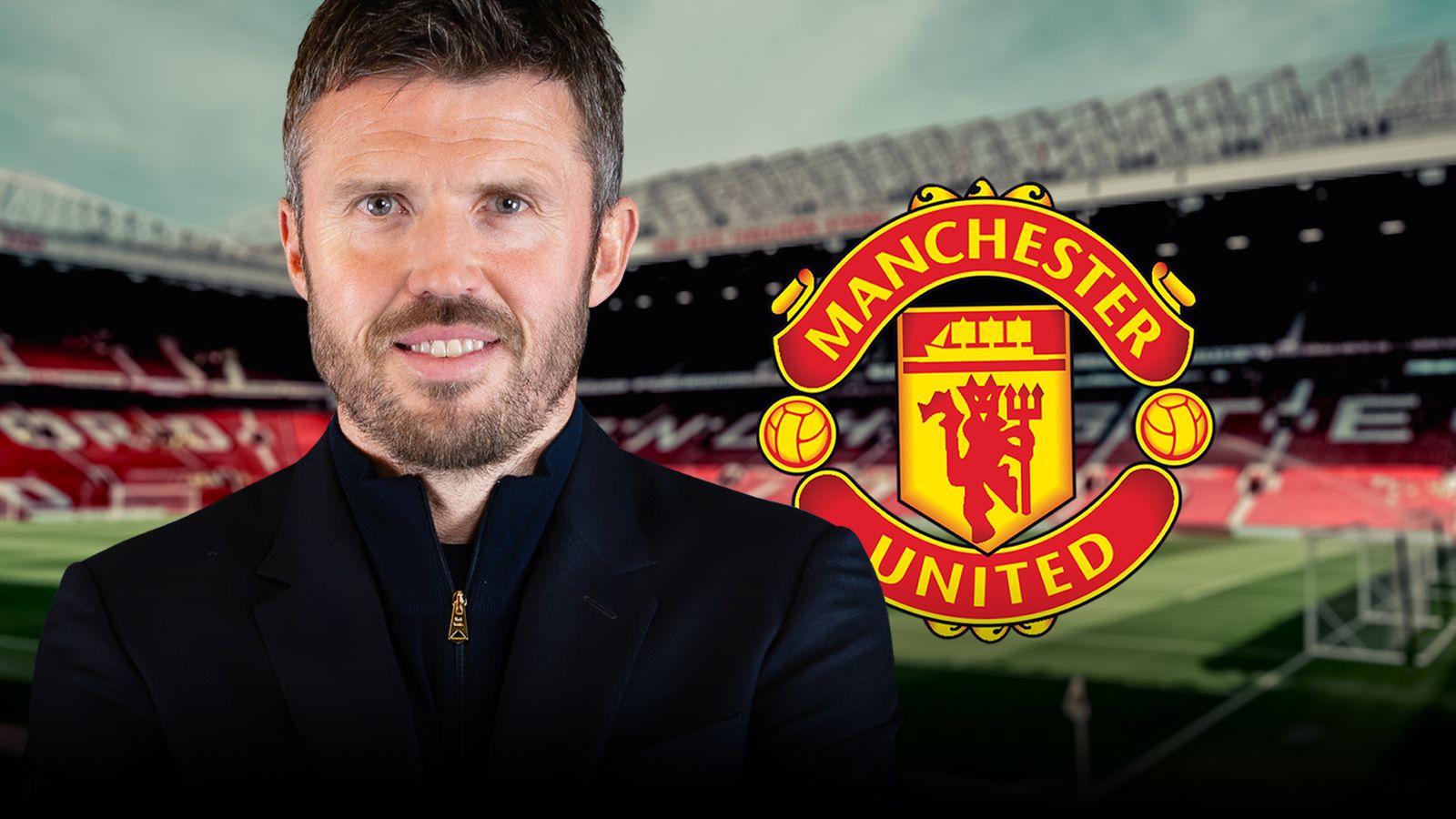
Michael Carrick and the end of the chaos era
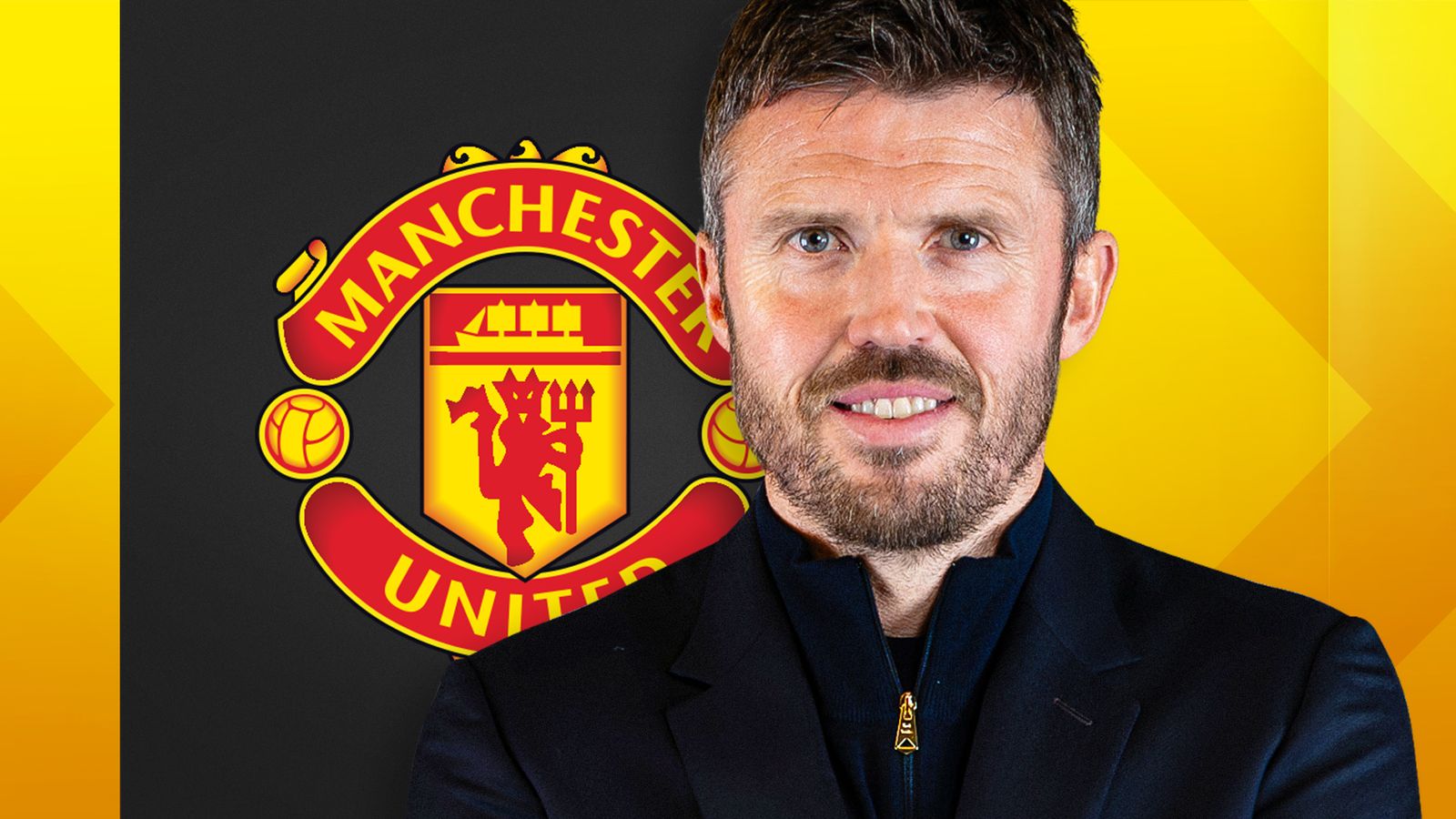
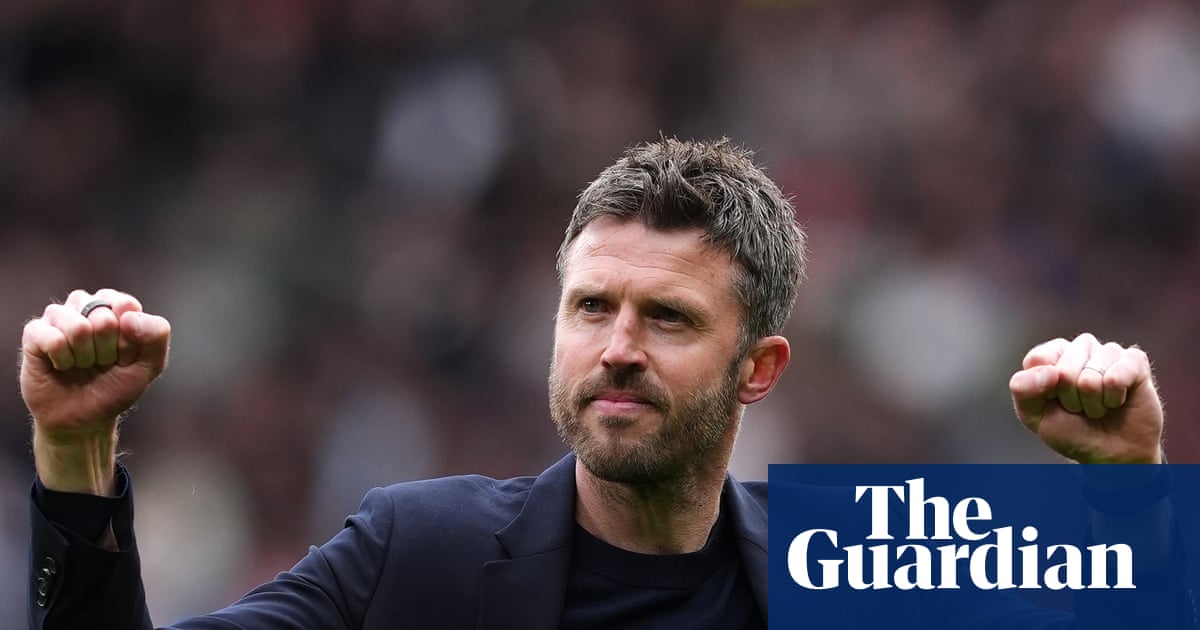
The timing of this news is as deliberate as a Michael Carrick sideways pass. On the morning of the FA Cup Final, with the red half of Manchester descending upon Wembley, Sky Sports has confirmed that Carrick has agreed to a new two-year deal to remain as head coach. It ends months of speculation and provides the kind of structural certainty that has been absent from Old Trafford for the better part of a decade.
Carrick’s tenure has been defined by a quiet, almost surgical competence. He didn't arrive with the heavy-metal thunder of a Klopp or the dogmatic positional play of a Guardiola. Instead, he brought a deep understanding of the club’s internal pressure cooker and a tactical flexibility that has seen United transition from a transition-dependent side into a genuine possession force. The numbers reflect a side that finally knows what it wants to be.
Under Carrick this season, United have averaged 58.4% possession, their highest mark in the post-Ferguson era. More importantly, the quality of that possession has shifted. We are no longer seeing aimless U-shaped passing around a low block. Carrick has implemented a staggered midfield buildup that utilizes Kobbie Mainoo as a single-pivot recycler, allowing the auxiliary midfielders to flood the half-spaces. It is efficient, it is technical, and it is working.
The tactical evolution of the Mainoo-Yoro core
To understand why INEOS has pulled the trigger on this two-year extension now, you have to look at the development of the youth spine. Leny Yoro, now 20, has developed into the archetype of the modern recovery defender under Carrick’s tutelage. His ability to defend 40 yards of open space behind him has allowed United to push their defensive line five meters higher than they dared under previous regimes. This isn't just a defensive upgrade; it’s a tactical enabler for the entire press.
The critical observation here, however, is that Carrick’s loyalty to his systems can sometimes verge on stubbornness. During the mid-winter slump in January 2026, United dropped points against Everton and Brentford precisely because Carrick refused to abandon his high-line approach when his primary ball-winners were out injured. There is a fine line between tactical consistency and a refusal to acknowledge the limitations of a depleted squad. If United are to challenge for a title in 2027, Carrick must prove he can adapt when his 'Plan A' personnel are unavailable.
The offensive output has also stabilized. Rasmus Hojlund, at 23, is finally seeing the volume of service a striker of his profile requires. Carrick has moved away from the chaotic 'cross and pray' wing-play of 2024. United now focus on cutbacks from the byline and third-man runs from deep. Alejandro Garnacho’s evolution from a chaotic dribbler into a high-IQ playmaker is perhaps the greatest feather in Carrick’s coaching cap.
Why the two-year contract length makes sense
The decision to offer a two-year deal rather than a massive five-year commitment is a shrewd bit of business from the United board. It signals faith without falling into the trap of the 'long-term project' that usually ends in a £15 million payoff. This contract takes Carrick through the 2027-28 season, effectively aligning his cycle with the peak years of the current young core. It creates a window of opportunity where the manager and the squad are maturing at the same rate.
Reports suggest that the deal was finalized late Thursday night, with official confirmation expected within the next 48 hours. By leaking the news now, United have effectively galvanized the fanbase ahead of today's kickoff at Wembley. It removes the 'will-he-won't-he' narrative that could have clouded a potential victory or exacerbated a defeat. The message is clear: the result today does not dictate the direction of the club.
There is also the matter of the summer transfer window. With the 2026 World Cup just weeks away, United needed a manager with a confirmed mandate to recruit effectively. Top-tier targets are notoriously hesitant to sign for clubs with 'lame duck' managers. By securing Carrick, United can now approach the market with a clear tactical blueprint. They need a specialist number six to provide cover for Mainoo and a world-class right-back who can actually contribute to the final third.
The FA Cup Final showdown at Wembley
Today’s final against Manchester City is more than just a local derby; it is a litmus test for the 'Carrick-ball' philosophy. City remain the gold standard of European football, and Guardiola’s side will look to exploit the space behind United's high line. In their last meeting at the Etihad, City’s internal rotations overwhelmed United’s midfield in the first half. Carrick must show he has learned from that tactical scarring.
Watch for the battle in the wide areas. Diogo Dalot has been tasked with an inverted role this season, moving into the midfield to create a box-four during buildup. If City can pin him back with a traditional winger, it breaks the entire United progression chain. Carrick will likely counter this by dropping Bruno Fernandes deeper, effectively creating a triple-pivot to bypass the City press. It is a high-stakes chess match played at 100 miles per hour.
Despite the optimism surrounding the contract, United’s defensive transition remains a glaring weakness. They still concede too many chances from settled possession turnovers. If United lose today, it will likely be because they were caught over-committing in the middle third. Carrick’s insistence on a proactive style is commendable, but at Wembley, a bit of pragmatism might be required to lift the trophy.
Final thoughts and prediction
Manchester United are no longer a club in search of an identity. They have found it in the calm, analytical presence of Michael Carrick. He has navigated the post-Ten Hag wreckage with remarkable poise, integrating youth and stabilizing the tactical output. This contract is a reward for competence, which in the modern Manchester United context, is a revolutionary concept. The two-year term is a perfect balance of stability and accountability.
The FA Cup Final today will be tight. It will be decided by whether United’s front three can punish City on the break before City’s inevitable possession cycles wear down the United midfield. Carrick has the tactical tools to win this, but he must be willing to bend his system if the game starts to get away from him. The red half of the stadium will be deafening, and the news of Carrick’s extension will only add to the fervour.
I am calling it now: Manchester United will win this 2-1. Rasmus Hojlund to score the winner in the 78th minute after a sustained period of City pressure. Carrick will lift his first major trophy as a manager, and the two-year contract will look like the bargain of the century by Monday morning. United are back, and this time, they have a plan that doesn't rely on miracles.