The Big Picture
The 2025/26 campaign has been a relentless grind toward the expanded 48-team World Cup, yet the domestic drama has refused to be overshadowed by international bloat. From tactical masterclasses in the Premier League to the shattering of long-standing European hierarchies, these ten moments have shaped the narrative of a season defined by razor-thin margins and unprecedented physical demands on the world's elite.
10. The 48-Team Format Fatigue
The March international break served as a grim preview of the upcoming FIFA World Cup 2026 logistics. With the tournament expanding to a **48-team** format, the qualifying windows became bloated marathons that saw top-tier European nations flying across continents for matches against teams ranked outside the top 100. It wasn't about the quality of the football; it was about the survival of the hamstrings.
We saw three major ACL injuries in a single week during the qualifying rounds, a direct result of a calendar that refuses to breathe. The cynicism in the stands is growing. Fans are no longer just debating tactics; they are tracking flight hours and recovery cycles as if they were medical professionals. This expansion feels like a commercial win at the expense of the product on the pitch.
9. The Saudi 'Buyer's Remorse' Wave
In January, the narrative around the Saudi Pro League shifted from expansion to exodus. The moment several high-profile European veterans reportedly began contacting their agents to facilitate a return to the Premier League or Bundesliga marked a turning point in the global power struggle. Money bought the talent, but it couldn't buy the prestige or the competitive fire players missed in the desert heat.
This ranks here because it stabilized the European market. Had the exodus not started, we might have seen another summer of gutted rosters across the mid-table of the big five leagues. Instead, the 'Recall' showed that while the money is infinite, the patience of a player used to a Champions League atmosphere is very much finite. It’s a reality check for the sport’s newest disruptors.
8. Manchester United’s 'In-Between' Identity
The February loss to Fulham at Old Trafford wasn't just another defeat; it was the moment the Dan Ashworth era faced its first public existential crisis. Despite the structural changes behind the scenes, the team on the pitch still looks like a collection of expensive individuals rather than a cohesive unit. The lack of a clear playing style after two years of transition is the biggest indictment of the current setup.
Critics point to the inconsistency of the midfield rotation as a primary failure. One week they look like world-beaters in a high-press system, and the next they are shredded by simple counter-attacks. It’s a frustrating cycle for a fanbase that was promised a new dawn. The project is moving forward in the boardroom, but the grass remains a stubborn place for progress.
7. Harry Kane’s Bundesliga Goal Hunt
By the time March rolled around, Harry Kane wasn't just leading the line for Bayern Munich; he was actively hunting down Robert Lewandowski’s single-season record again. His hat-trick against Dortmund in the 'Klassiker' earlier this month was a clinical display of why he remains the most complete striker in the world. He isn't just scoring; he's dictating the entire tempo of the Bayern attack from the number nine position.
Yet, the conversation remains stuck on the 'Kane Curse' as Leverkusen continues to lead the table. Scoring 40 goals means nothing if you finish second in a one-team league. It’s the ultimate individual success meeting a collective ceiling. Watching Kane master his craft while his trophy cabinet remains untouched is the most compelling tragedy in European football right now.
6. Xabi Alonso’s Loyalty Test
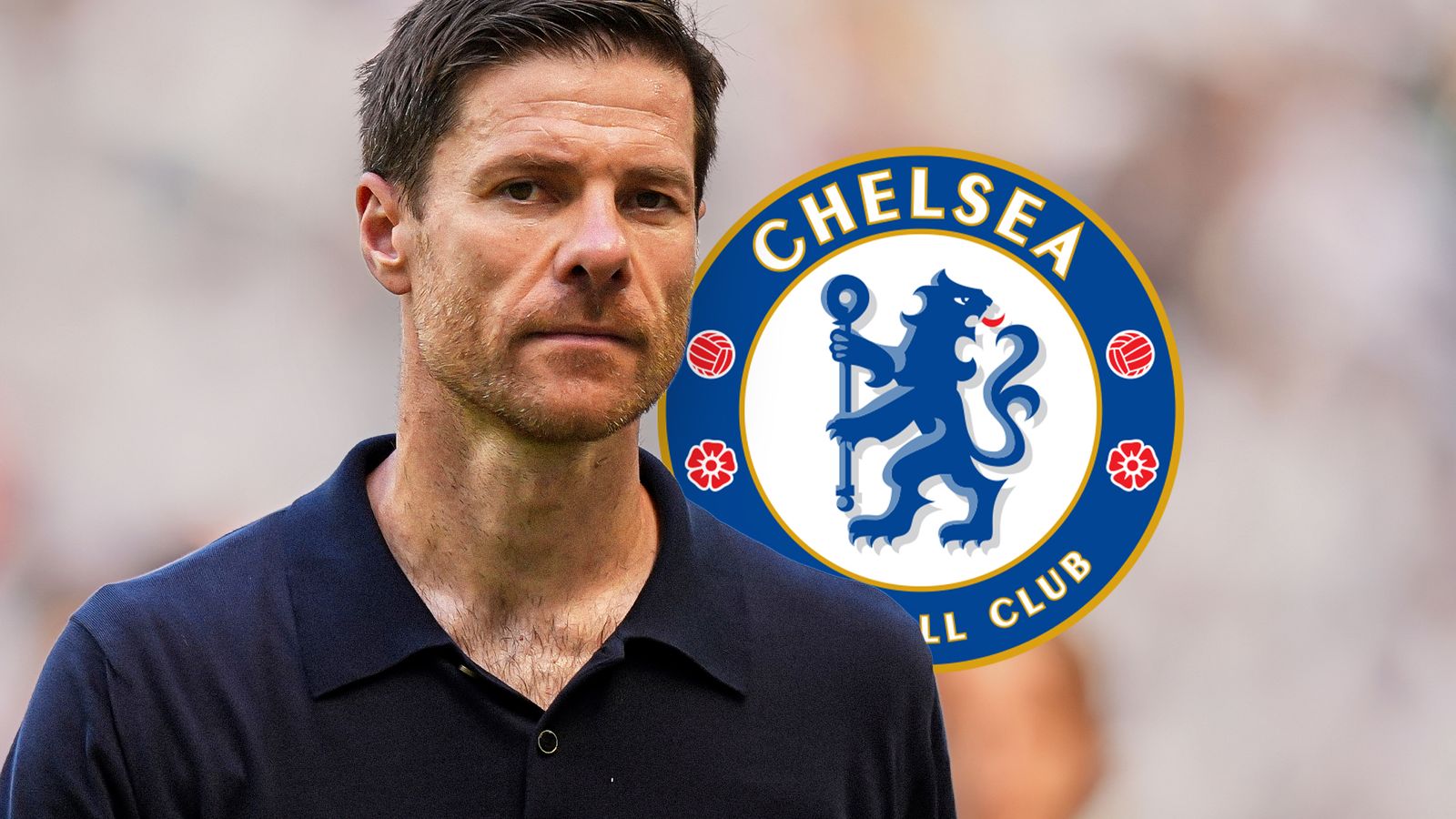
When Xabi Alonso officially announced he was staying at Bayer Leverkusen for another season, despite vacancies at three of Europe's biggest clubs, the shockwaves were felt from Madrid to Liverpool. It was a rejection of the traditional career ladder in favor of finishing a project he started. In an era of mercenary managers, Alonso chose the stability of his own creation over the glamour of a prestige appointment.
This decision kept the Bundesliga competitive. Had he left, Leverkusen’s title charge would have likely dissipated under the weight of speculation. By staying, he’s proved that there is a path to greatness that doesn't involve immediate capitulation to the giants. It’s the smartest move of his career, even if it frustrated the power brokers in Munich and Madrid.
5. The VAR 'Audio Leak' at Anfield
The February clash between Liverpool and Tottenham featured a disallowed goal that led to the most transparent—and embarrassing—VAR audio leak in the history of the Premier League. The **15-minute** delay while officials debated a clear-as-day offside was the final straw for many fans. It wasn't just a mistake; it was a total breakdown in communication that forced the PGMOL into a public apology before the final whistle even blew.
This moment forced a mid-season change to the semi-automated offside protocols. The human element in the VAR booth has become a liability that the technology was supposed to fix. Fans are tired of celebrating goals only to wait for a man in a van to draw lines that don't make sense. It’s the most negative moment of the season, but also the one that might finally force real reform.
4. Real Madrid’s UCL Quarter-Final Escape
On April 14, Real Madrid did what Real Madrid always does: they survived. After being outplayed for 120 minutes by Manchester City, they triumphed in a penalty shootout that felt like an inevitability from the first kick. This isn't just about a win; it’s about the psychological hold the Champions League has on this club. They don't need the ball to win; they just need the tournament logo on their sleeve.
The performance was a masterclass in suffering. Carlo Ancelotti’s side sat deep, absorbed pressure, and waited for the one moment of City hesitation that never came—so they took it to penalties instead. This ranks high because it ended City’s dream of a double-treble and reminded the world that tactical dominance means nothing against the sheer weight of Madrid's history. It’s beautiful and infuriating in equal measure.
3. Lamine Yamal’s Ballon d'Or Ascent
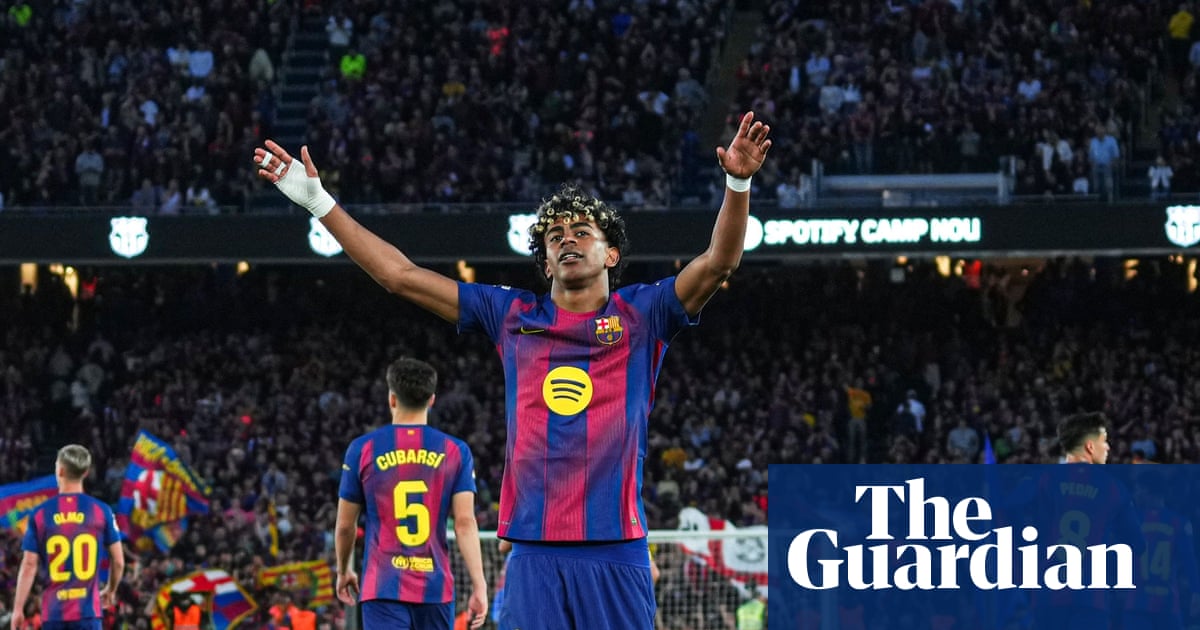
At just 18 years old, Lamine Yamal’s performance in the El Clasico win last November signaled the arrival of a new era. His 30-yard screamer wasn't just a goal; it was a statement that Barcelona’s youth academy is still the most productive factory in the world. He is playing with a level of maturity that defies his age, leading the league in successful dribbles and goal involvements for a struggling Barca side.
The pressure on his shoulders is immense, especially given the club’s financial woes. He isn't just a winger; he is the economic and emotional lifeline for the entire institution. While the club's board struggles with debt, Yamal is the only reason the fans still show up in droves. He is the most exciting player in the world right now, and it isn't even close.
2. Arsenal’s Defensive Wall
Mikel Arteta has transformed Arsenal from a flair-heavy side into a defensive juggernaut. Their record of conceding only 4 goals away from home since January is the foundation of their title charge. The partnership between William Saliba and Gabriel Magalhães has become the gold standard in Europe, a wall that even the most expensive attacks have failed to breach with any regularity.
This shift in identity is why they are still in the race. In previous years, Arsenal would have crumbled under the pressure of the spring schedule. Now, they thrive on the clean sheet. They are winning games 1-0 and 2-0 with a clinical efficiency that used to be the hallmark of Jose Mourinho’s best teams. It’s not always pretty, but it’s how championships are won in the modern era.
1. The Etihad Decider: City v Arsenal
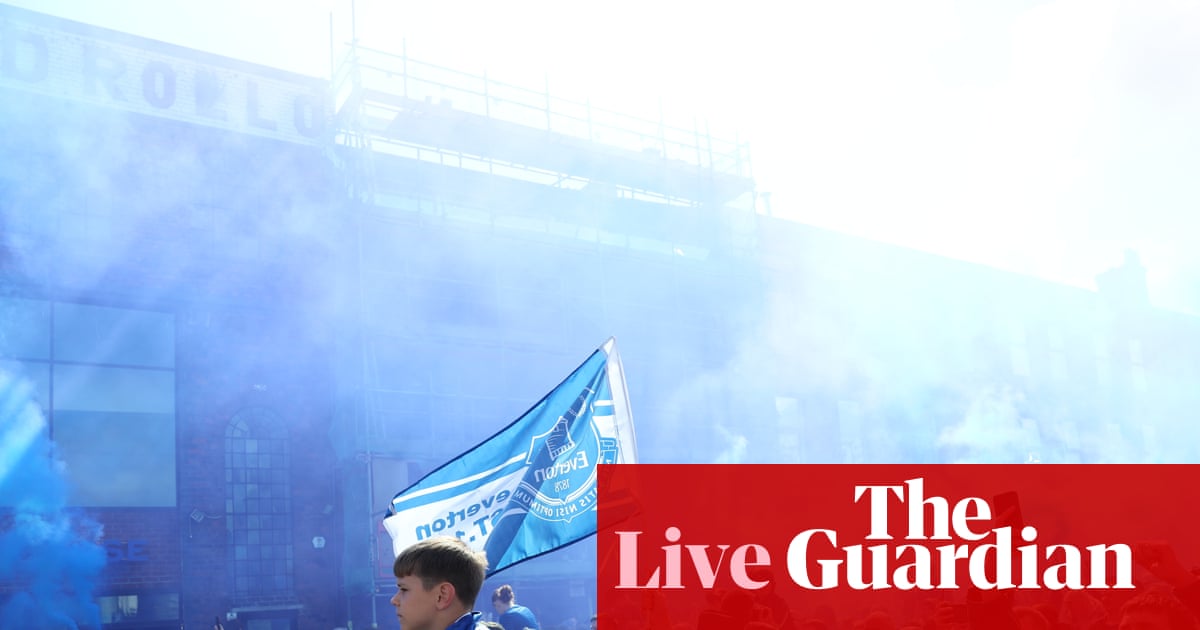
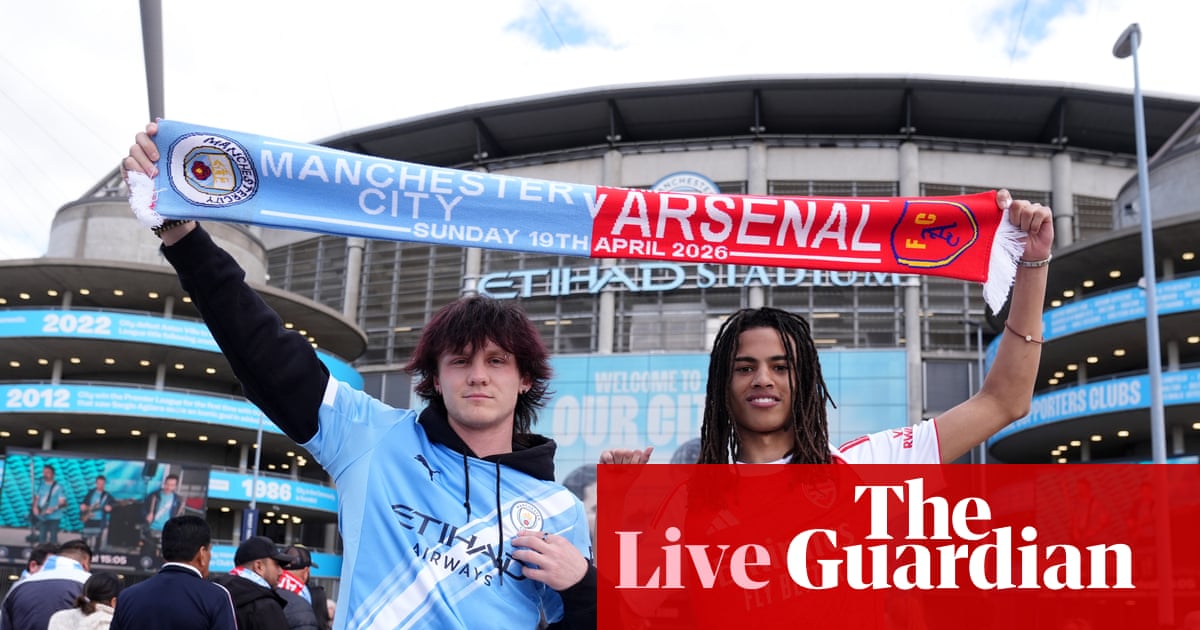
Today's kickoff at the Etihad represents the pinnacle of the 2025/26 season. As The Guardian reported in their live coverage, the atmosphere is unlike anything we've seen this decade. This is more than a game; it's a collision of two distinct philosophies. City's relentless possession versus Arsenal's organized chaos. With a **4.30pm** BST start, the eyes of the world are on Manchester for a match that will likely decide the destination of the Premier League trophy.
The buildup has been dominated by the psychological battle between Guardiola and Arteta. The master versus the apprentice narrative has been played out, but today it’s about the players on the grass. Every tactical tweak, every substitution, and every half-chance will be scrutinized. This is the moment the entire season has been building toward—a high-stakes chess match played at 100 miles per hour.
Honorable Mentions
Liverpool’s dramatic win in the Carabao Cup final with a squad of teenagers almost made the cut, proving the academy still has teeth. Aston Villa’s surge into the top four under Unai Emery also deserves credit, specifically their 4-3 win over Chelsea in March. Finally, the rise of Bayer Leverkusen as a consistent European force under Xabi Alonso remains the best story in German football, even if the shadow of Bayern Munich looms large.
Read Next
- Top 10: The Moments Defining the 2026 Season So Far
- The Champions League semi-finals are going to be an absolute bloodbath
- Arsenal are finally ready to break the 4,109-day Etihad curse
- Liverpool and Arsenal are facing their biggest reality check of 2026
- 🇪🇸 Spain World Cup 2026 — La Roja Hub
- ⚽ La Liga 2025-26 — Title Race Hub
- ⭐ UCL 2026 — Champions League Quarter-Finals Hub