The Big Picture
The 2026 football calendar has been defined by a shift from rigid positional play to high-stakes reactive coaching. We are seeing the consequences of hesitation in real-time, where a single missed substitution or a failed January pursuit dictates the trophy cabinet. This list ranks the most influential moments that shaped the domestic and continental narrative leading into the World Cup summer.
1. Arteta’s Carabao Cup Hesitation
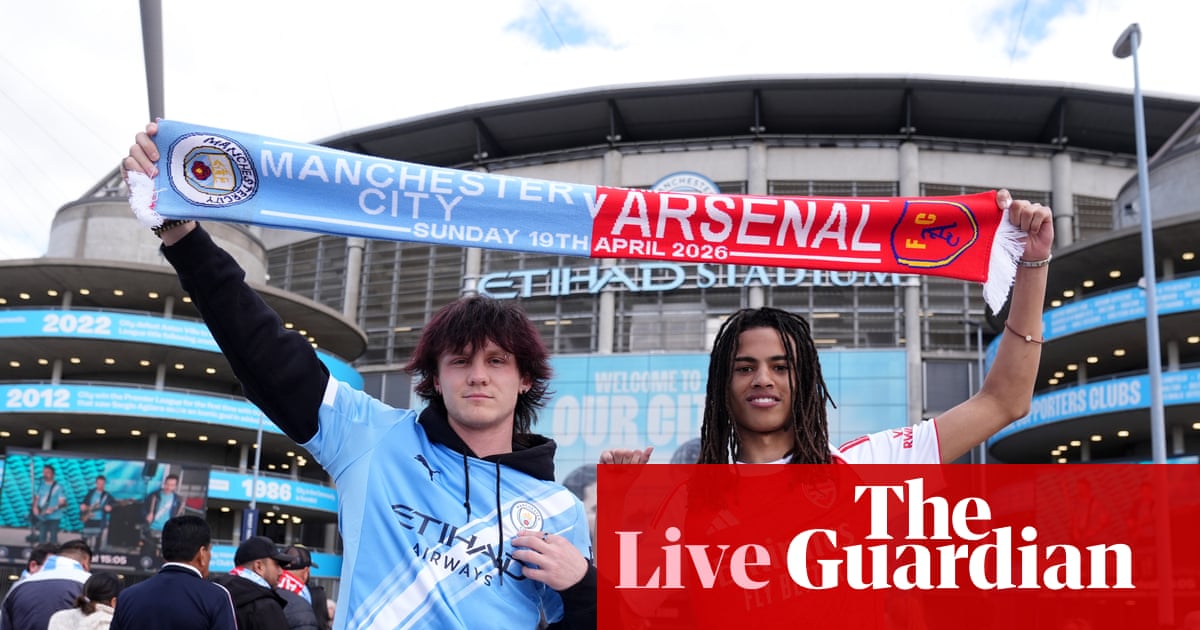
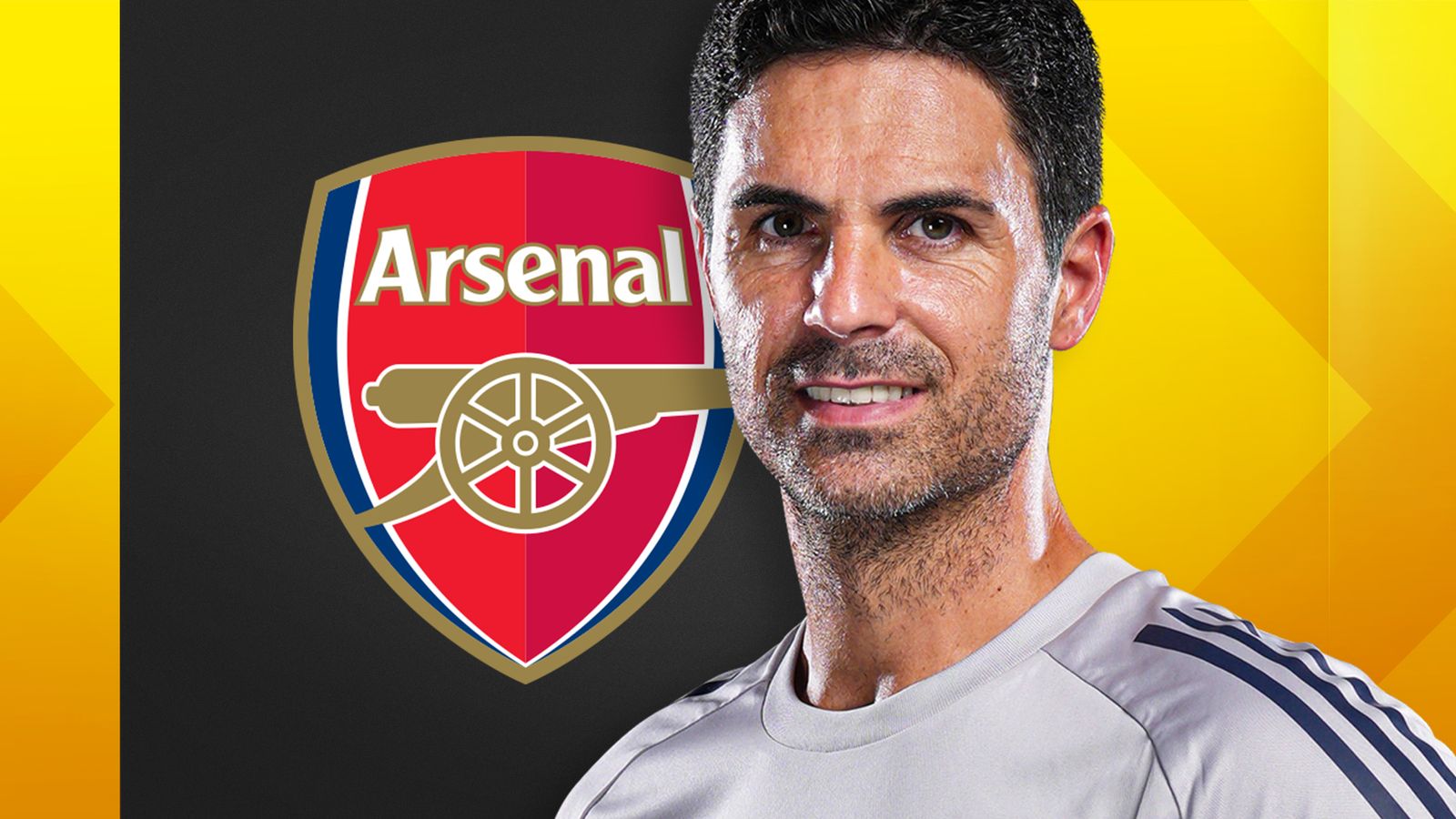
Arsenal’s defeat to Manchester City in the Carabao Cup final wasn't just a loss; it was a structural indictment of Mikel Arteta’s game management. As Mirror Football reported, the decision to stick with a tiring backline rather than introducing fresh legs cost them in the final transition. Watching Kepa Arrizabalaga struggle while the bench remained static felt like a flashback to Arsenal's late-season collapses of years past. This moment sits at number one because it shattered the aura of invincibility Arsenal had built through the winter. It proved that despite the progress, the gap between City’s ruthlessness and Arsenal’s over-thinking remains wide.
2. The Rodri Succession Crisis
When Manchester City finally looked vulnerable in February, it was entirely down to the physical toll on their midfield anchor. Pep Guardiola’s refusal to rotationally rest his most vital asset led to a three-week muscular layoff that saw City drop points against both Liverpool and Newcastle. This period proved that for all of City's financial might, they are still a single hamstring tear away from being human. The reliance on a 30-year-old to play 55 games a season is the one flaw in an otherwise perfect machine. It forced a tactical pivot to a double-pivot system that, while functional, lacks the verticality that defines peak City.
3. The Hincapie Pursuit Failure
Arsenal’s failure to secure Piero Hincapie in the winter window is the 'what-if' that will haunt their title charge. While other rivals reinforced, Arsenal’s recruitment team hesitated over a valuation difference of less than £10 million. This lack of aggression left them exposed when injuries hit the left side of their defense in early March. It is a negative moment that highlights a recurring theme: the cost of being 'sensible' in a market that demands boldness. Hincapie has since gone on to dominate for Leverkusen, making the missed opportunity look even more amateurish.
4. Bellingham’s Clasico Masterclass
Jude Bellingham’s performance in the March Clasico was the moment he officially graduated from 'star' to 'institution.' Trailing 1-0 at the Bernabeu, he covered 12.4 kilometers and scored the equalizer with a late run that left the Barcelona midfield chasing shadows. This wasn't about flair; it was about the physical imposition of a player who refuses to lose. He occupies spaces that shouldn't exist for a traditional number ten. It ranks fourth because it practically ended the La Liga title race three months early.
5. The Klopp-Slot Transition Friction
Liverpool’s post-Klopp era hit its first real snag during the FA Cup quarter-finals. Arne Slot’s attempt to move toward a more controlled, less chaotic style led to a breakdown in pressing triggers that Manchester United exploited. It was a sobering reminder that you cannot simply 'install' a new philosophy over a squad built for heavy metal football. The players looked caught between two worlds, neither sprinting nor sitting deep. This moment was the first time the Anfield crowd showed genuine nerves about the long-term direction of the club.
6. Mbappe’s Tactical Isolation
Real Madrid’s struggle to integrate Kylian Mbappe into a front three featuring Vinicius Jr. reached a breaking point in the Champions League round of 16. While Madrid progressed, Mbappe spent large portions of the match drifted out of the central zones he needs to dominate. It is a high-class problem, but a problem nonetheless. Watching two of the world's best players occupy the same five-yard channel on the left wing is a failure of coaching. If Carlo Ancelotti doesn't fix this by the semi-finals, the 'Galactico' experiment might face its first European exit.
7. Bayer Leverkusen’s 'Invincibles' Anxiety
Xabi Alonso’s side finally dropped their first league game of the season in mid-March, ending a streak that had the world watching. The 2-1 loss to RB Leipzig wasn't a fluke; it was the result of a team finally buckling under the weight of their own narrative. Leverkusen had become so obsessed with the clean sheet that they stopped taking the risks that made them dangerous in 2025. It ranks seventh because it shifted the pressure back onto a squad that isn't used to being the hunted. How they respond to this first taste of failure will define the Bundesliga's final month.
8. Newcastle’s Champions League Reality Check
The 4-0 thumping Newcastle received in Munich was the moment the 'Big Six' pretenders were put in their place. After spending £200 million over two windows, the expectation was a competitive European run. Instead, they were picked apart by a Bayern side that looked two levels faster in every department. This moment exposed the truth that money buys players, but it doesn't buy the institutional experience needed for Tuesday nights in Germany. It was a humbling night for Eddie Howe that forced a complete rethink of their defensive high line.
9. The Lamine Yamal Burnout Signs
Barcelona’s reliance on a teenager is starting to look like negligence. Yamal played his 40th game of the season before April, and the dip in his explosive metrics is now visible to anyone with a data subscription. He was substituted at 60 minutes in three consecutive games, looking physically spent. This is a dark moment for a club that has already seen the careers of Ansu Fati and Pedri hampered by over-usage. It ranks ninth as a warning: if Barcelona don't protect their greatest asset, they are repeating a cycle of self-destruction.
10. The Inter Milan Defensive Lockdown
Inter’s 1-0 win over Juventus in the Derby d'Italia was a masterclass in the 'lost art' of Italian defending. They allowed only one shot on target despite Juve having 65% possession. It was a moment of tactical purity that stood in contrast to the high-pressing chaos seen in the Premier League. Simone Inzaghi has built a unit that values the block as much as the goal. It rounds out the list because it proved that even in 2026, a perfectly drilled 3-5-2 can still neutralize the most expensive attacks in the world.
Honorable Mentions
Chelsea's sudden surge in form under their fourth permanent manager in two years almost made the list, but they lack the consistency to be a 'top moment.' Aston Villa’s home record also deserves a shout, though their European exit dampened the impact. Finally, the rise of the Saudi Pro League’s internal youth development is a story for next season, but the first signs are showing in their domestic cup attendance.
Read Next
- Arsenal's Wembley failure proves they still cannot solve the City puzzle
- Manchester City exposed Arsenal’s lack of depth in a clinical cup masterclass
- Arsenal are staring into the abyss again and it feels way too familiar
- Arsenal's Carabao Cup collapse is the wake-up call Viktor Gyökeres needed
- ⚽ La Liga 2025-26 — Title Race Hub
- ⭐ UCL 2026 — Champions League Quarter-Finals Hub