The Big Picture
The 2025-2026 football season hasn't been a marathon. It has been a brutal, relentless sorting mechanism. Squeezed by the looming expanded World Cup in North America, the domestic and European calendars have ground players down to dust. We are sitting here on May 17, just days away from the UCL Final on May 28, and the physical toll is undeniable. But the chaos has also delivered some of the most memorable touchline drama and pitch-level moments we've seen in a decade. This list skips the trophies. We focus entirely on the moments that forced us to pay attention.
10. Alonso's Stamford Bridge Arrival
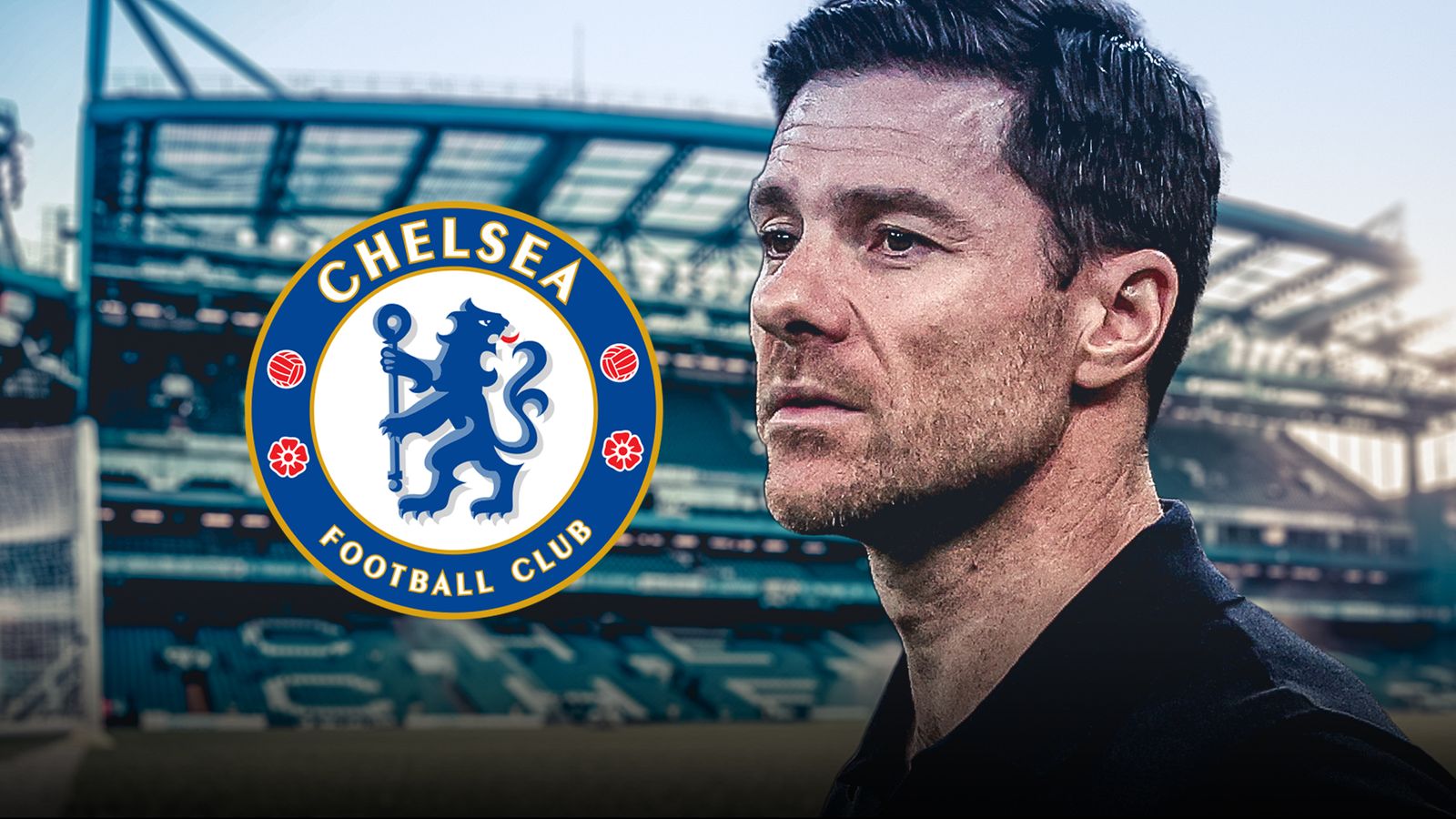
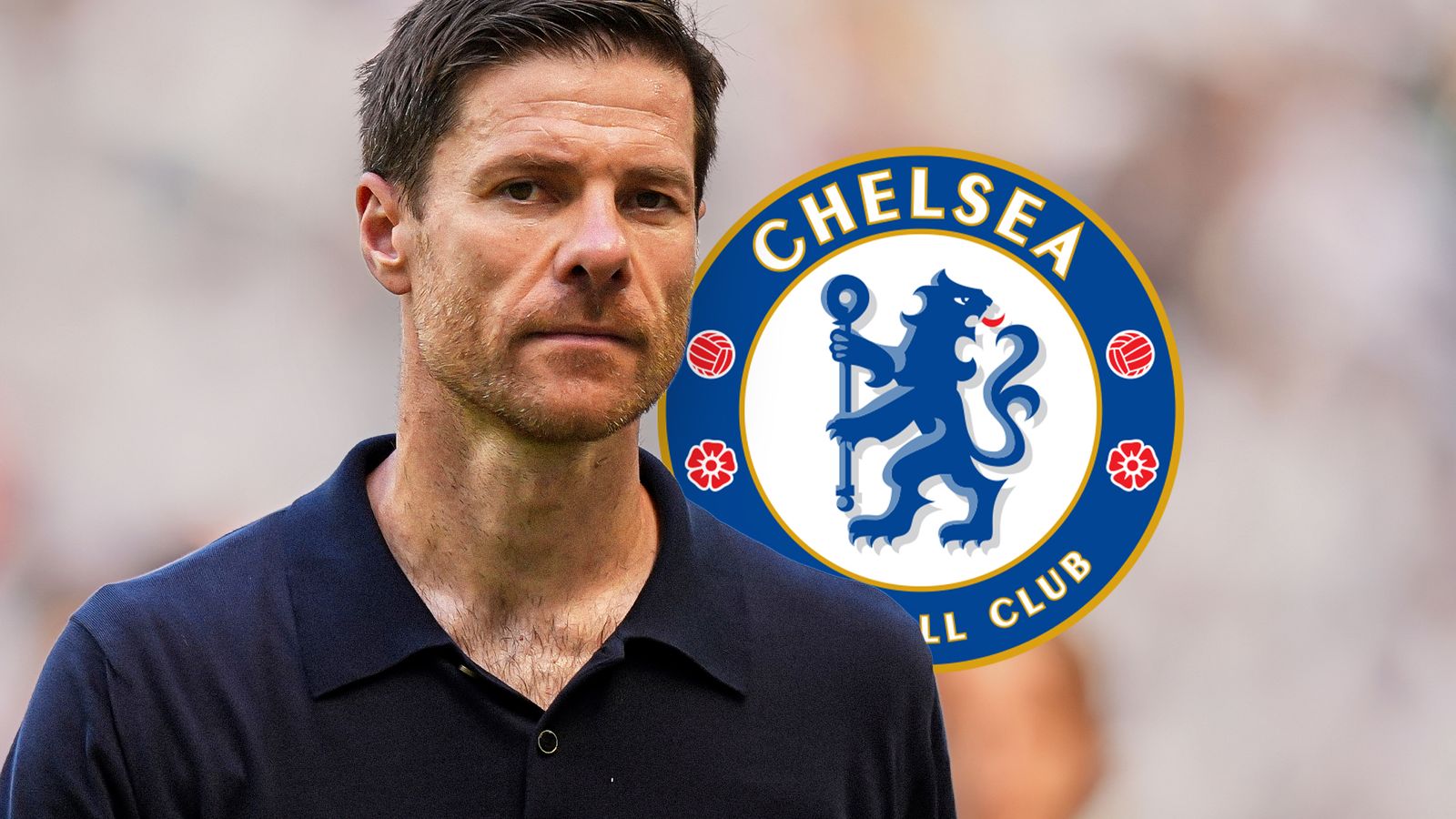
Chelsea hired a manager, but they also bought a philosophy. Xabi Alonso walking into Cobham changed the temperature in West London immediately, earning a spot on this list for sheer cultural impact. When he agreed to take the job, he knew the risks. The squad was bloated, the ownership was notoriously impatient, and expectations were completely divorced from reality. But his first match on the touchline set a different tone entirely. He benched three high-priced signings and played a fluid, possession-heavy 3-4-2-1 that looked completely alien to previous regimes. While it doesn't rank higher due to inconsistent early results, the identity shift was immediate and undeniable. It signaled that the adults were finally back in the room.
9. The Newcastle United Boardroom Drama
Off the pitch, the noise at St. James' Park reached a boiling point in February, edging out Chelsea's managerial swap because of its destructive consequences. The boardroom leaks and public squabbling over the transfer budget created a toxic atmosphere that bled directly onto the pitch. Eddie Howe looked exhausted in press conferences, answering questions about directors rather than fullbacks. The 3-0 home defeat that month was a total structural failure. Players were jogging back on transition defense. It proved that endless capital doesn't automatically buy harmony. The club spent weeks putting out PR fires while dropping massive points in the table.
8. Neville's Brutal Reality Check
Gary Neville went off on Sky Sports recently, laying bare exactly what Chelsea lack heading into the summer transfer market. We rank this above the Newcastle drama because Neville actually diagnosed a tactical truth rather than just gossiping. Neville rightfully pointed out that Alonso is operating with a midfield built for track meets, not control. He emphasized that without a genuine deep-lying playmaker, Alonso's entire tactical setup is running on fumes. His analysis cut through the usual post-match spin. If the board doesn't back Alonso with the exact profile of player he needs, this entire experiment crashes before August.
Neville stripped away the noise and identified the exact friction between recruitment strategy and tactical demands.
7. Arsenal's Title Push Hitting the Wall
Mikel Arteta's squad looked inevitable until the late-winter fixtures piled up, an on-pitch failure that carries more weight than punditry. The dropped points at Villa Park were bad, but the subsequent scoreless draw at home exposed a glaring lack of tactical flexibility. Opposing managers finally figured out how to sit in a low block, double up on the wings, and dare Arsenal to cross the ball into a crowded box. Bukayo Saka played entirely too many minutes and his legs looked heavy when it mattered most. Arteta stubbornly refused to rotate his front three, and the fatigue showed in their finishing. It was a harsh reminder that depth wins leagues, not brilliant starting XIs.
6. The Champions League Quarter-Final Chaos
The week of April 7 to April 14 delivered some of the most unhinged European football we've seen in a long time. It beats Arsenal's stumble simply for the pure entertainment value. The first legs were tight, tactical chess matches. But the return fixtures devolved into pure playground basketball. Defenses entirely collapsed under the pressure. We saw a 4-3 thriller that defied all logical tactical analysis. Center-backs were caught out of position, midfielders forgot how to track runners, and goalkeepers made inexplicable errors. It was terrible, structurally broken defending, but absolute box office television. You couldn't look away from the car crash.
5. Manchester City's Midfield Attrition
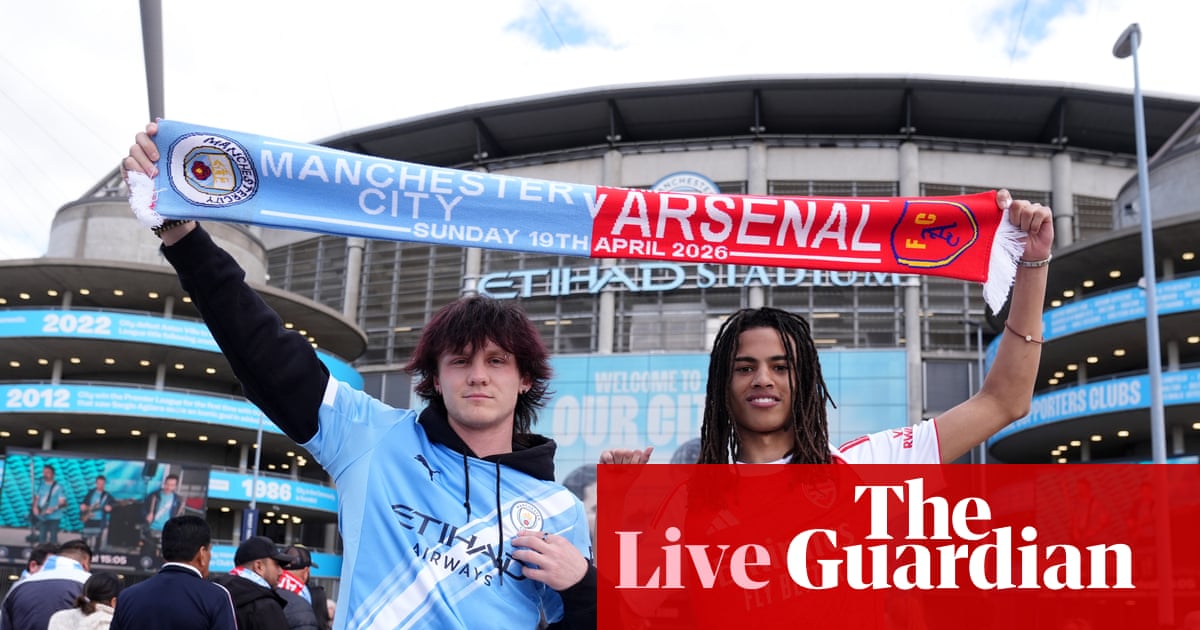
Pep Guardiola finally ran out of tactical bandaids in March. The injuries in the center of the park force City into the top five, as they fundamentally altered the title race. Guardiola was forced to deploy fullbacks as inverted defensive midfielders in matches where they had no business being there. The resulting dropped points opened the door for the rest of the league. City looked vulnerable in transition for the first time in years. Opponents realized they could bypass the press with a single long ball over the top. You could physically see the exhaustion on Rodri's face during the post-match interviews. The machine finally looked human.
4. The FA Cup Semi-Final VAR Meltdown
Officiating is always a talking point, but the semi-final at Wembley reached a new low. This ranks higher than City's injuries because it actively ruined a marquee fixture. A three-minute delay to check a toe offside completely sucked the life out of the stadium. The resulting disallowed goal changed the entire trajectory of the match and robbed the fans of a classic finish. This was a systemic failure of how technology is applied to the game. The sheer stubbornness of the PGMOL to admit fault or speed up the process only made the fallout worse. Fans in the stands had no idea what was happening.
3. Liverpool's Anfield Resurgence
Just when everyone wrote them off, the atmosphere at Anfield dragged Liverpool back into relevance, earning a top-three spot for pure emotional impact. The home fixtures in late March and April were loud, violent, and entirely dictated by emotion rather than tactics. They pressed like rabid dogs and forced elite opposition into amateur mistakes in their own defensive third. It wasn't sustainable football, and they looked gassed by the 70th minute, but for those opening stretches, it was absolutely terrifying to play against. It showed that intense, high-energy pressing can still rattle even the most composed possession-based teams.
2. The Looming Shadow of the World Cup
Every manager has been complaining about it, and they are entirely justified. The June 11 kickoff for the 2026 FIFA World Cup has compressed the domestic calendar to a breaking point, an administrative disaster that ranks second because it has tainted every single match. Players are pulling up with hamstring injuries at an alarming rate because they are playing three matches a week. The quality of football in May has visibly dipped. We are watching exhausted athletes try to survive rather than compete.
It's a damning indictment of the governing bodies prioritizing tournament revenue over player welfare.
The product on the pitch is suffering, and the players are paying the physical price.
1. The Run-up to the UCL Final
We are just 11 days away from May 28, and the tension is suffocating. The buildup to this match takes the top spot because it represents the culmination of every grueling storyline this year. The tactical matchups for the final are endlessly fascinating, but the real story is the physical toll it took to get here. Both squads are dealing with major injuries, suspension headaches, and players running on empty. Whoever lifts the trophy won't necessarily be the best team in Europe; they will simply be the last team standing. It's the ultimate war of attrition. This match perfectly encapsulates a brutal season where endurance mattered just as much as technical brilliance.
Honorable Mentions
The continued rise of tactical fouling in the middle third going unpunished. The bizarre trend of managers receiving yellow cards for minor touchline infractions while players scream in referees' faces. The complete disappearance of the traditional target man in favor of false nines who refuse to shoot.