The Big Picture
The 2025/26 season has entered its most volatile phase. As we sit just 48 hours away from the Champions League quarter-final second legs, the narrative of this campaign is finally coming into focus. It has been a year defined by the emergence of new icons and the stubborn refusal of the old guard to step aside.
10. The Newcastle-Ugarte Power Play
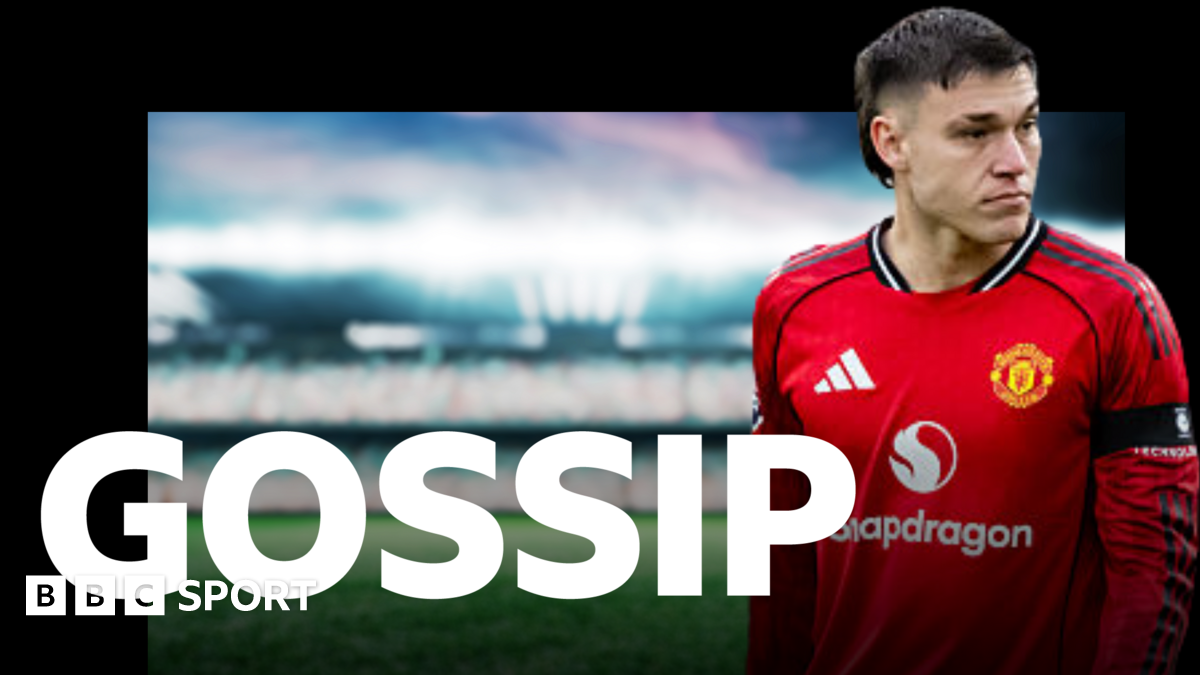
Newcastle United's aggressive move for Manuel Ugarte isn't just a transfer rumor; it is a signal of intent that the established 'Big Six' hierarchy is officially dead. According to recent reports from the BBC, the Magpies are looking to exploit Manchester United's inconsistent squad management by poaching a player who was supposed to be a cornerstone of the Old Trafford rebuild. This moment represents the stark reality of 2026: Newcastle has the liquid capital and the sporting project to lure talent away from historic giants who are stuck in a cycle of mediocrity. Ugarte’s potential move would provide the steel that Eddie Howe’s midfield has lacked during their inconsistent European run this spring. It ranks here because it highlights the widening gap between the league's efficient spenders and its fading traditional powers.
9. The Eli Junior Kroupi Tug-of-War
Every season needs a breakout star, and Lorient’s Eli Junior Kroupi has spent the last six months making Ligue 1 defenders look like amateurs. The battle between Liverpool and Chelsea for his signature has reached a fever pitch this April, with both clubs desperate to secure the next generational talent before the World Cup inflation kicks in. Kroupi’s performance against PSG in February, where he terrorized the Parisian backline with a maturity beyond his years, was the moment he transitioned from a prospect to a priority. This saga is a reminder that while the heavyweights fight for trophies, the real war is often fought in the scouting departments for players who haven't even hit their twenty-first birthdays. If Liverpool wins this race, it could define the post-Salah era at Anfield.
8. The End of the 'League Phase' Experiment
The conclusion of the new Champions League format's league phase in late January was a moment of profound realization for football fans. We finally saw the data on whether the expanded 36-team table actually reduced the number of 'dead rubber' matches. While the final matchday provided some drama, the overall consensus was that the middle of the table felt bloated and lacked the stakes of the old four-team groups. This moment matters because it proved that more football doesn't always mean better football. The exhaustion of the players was evident, and the quality of play in early February took a noticeable dip as squads struggled to recover. It was a victory for broadcasters, but a questionable move for the integrity of the sport.
7. The FA Cup 5th Round: Wrexham’s Giant-Killing
The Hollywood story finally got its iconic cup moment when Wrexham dismantled Aston Villa at Villa Park in February. This wasn't a lucky 1-0 win where the underdog parked the bus; it was a clinical 3-1 tactical masterclass that left Unai Emery speechless. The images of Ryan Reynolds and Rob McElhenney celebrating in the directors' box went viral, but the real story was the gap in intensity between a hungry League One side and a complacent Premier League outfit. It earns its spot on the list for being the purest distillation of cup magic we’ve seen in years. It also highlighted the embarrassing lack of depth in Villa’s rotated squad, proving that even Champions League regulars can be humiliated by organized lower-league opposition.
6. The January Transfer Freeze
Aside from Chelsea’s inevitable late-night panic buys, the January 2026 window was one of the quietest in modern history. This was the moment the PSR (Profit and Sustainability Rules) reality finally sank in for the rest of the Premier League. Clubs that previously spent with reckless abandon were forced to stick with what they had, leading to a stagnant month of 'loan with an option to buy' deals that satisfied no one. This lack of movement has directly impacted the current title race, as teams like Arsenal and Manchester City are nursing thin squads through a grueling April. It is a negative observation, but a necessary one: the era of solving every tactical problem with a £85 million check is temporarily on hold.
5. Mbappe’s El Clasico Statement
In November, Kylian Mbappe finally delivered the performance Real Madrid fans had been demanding since his arrival. His hat-trick at the Bernabeu against a high-flying Barcelona wasn't just about the goals; it was about the way he dismantled Hansi Flick’s high line with terrifying ease. For 90 minutes, Mbappe looked like the undisputed best player on the planet, ending the debate about whether he could co-exist with Vinicius Junior. This moment solidified Madrid’s status as the favorites for every competition they entered. It ranks at five because it felt like the official start of a new era of dominance in Spanish football, even if Barca has tried to claw back the deficit in the months since.
4. The Manchester Derby: City’s 4-0 Destruction
The March meeting between the two Manchester clubs was supposed to be a tight affair, but Pep Guardiola’s side produced a performance of such surgical precision that it felt like a training exercise. United’s midfield was bypassed so frequently that it became uncomfortable to watch. This was the moment that effectively ended United’s hopes of a top-four finish and put the future of their coaching staff under the microscope once again. The fourth goal, a team move involving 22 passes, was a reminder of the chasm that still exists between the two halves of the city. It remains a crushing blow for the red side of Manchester and a high-water mark for City’s tactical fluidity this season.
3. The 87th Minute VAR Disaster at Anfield
The title race took its most controversial turn in late March when Liverpool were denied what appeared to be a stone-cold penalty against Tottenham. The ball clearly struck the defender's arm in an unnatural position, but the VAR official ruled it 'accidental' after a four-minute review. The fallout was nuclear. Jurgen Klopp’s successor was seen fuming on the touchline, and the PGMOL was forced to issue another apology 24 hours later. This wasn't just a refereeing error; it was the moment that could ultimately decide the destination of the Premier League trophy. The fact that we are still talking about lines and frames in the 87th minute of season-defining games is a damning indictment of the current technology.
2. The UCL Quarter-Final: Real Madrid 3-3 Man City
The first leg on April 7 was a match that defied logic. For 95 minutes, the two best teams in Europe traded blows in a game that felt more like a basketball match than a tactical chess game. From Rodri’s long-range screamer to Valverde’s late volley, it was a showcase of individual brilliance that justified the massive ticket prices. A 3-3 scoreline leaves everything to play for in the return leg, but the sheer quality on display was the moment the season reached its peak. It ranks above almost everything else because it reminded the world why the Champions League remains the pinnacle of the sport, regardless of how much the format is tweaked.
1. The 48-Team World Cup Reveal
While the club season is raging, the recent announcement of the full schedule and stadium allocations for the 2026 World Cup changed the sport forever. This was the moment the scale of the 48-team tournament became real. The logistical nightmare of travel between Vancouver, Mexico City, and New York was laid bare, and the debate over the quality of a bloated group stage began in earnest. This moment sits at number one because its impact will be felt long after the Champions League final is over. We are currently 60 days away from a tournament that will either be a celebration of global football or a cautionary tale of corporate overreach. Every injury in the Premier League right now is being viewed through the lens of this looming summer spectacle.
Honorable Mentions
Bayer Leverkusen’s unbeaten run finally ending in March was a shock to the system, but they remain a force under Xabi Alonso. Harry Kane’s pursuit of the Bundesliga goal record also deserves a nod, as he continues to be the most consistent striker in Europe. Lastly, the rise of the USMNT stars in Serie A has built incredible momentum ahead of their home World Cup, with Christian Pulisic leading the charge for a resurgent AC Milan.
Read Next
- Manchester City face Champions League crunch time with fresh squad concerns
- Arsenal's European dream is about to meet the ultimate tactical stress test
- Nico O'Reilly injury leaves Man City thin ahead of Champions League decider
- Nico O'Reilly just handed Pep Guardiola the keys to the Champions League
- 🏆 World Cup 2026 — Full Coverage Hub
- ⚽ La Liga 2025-26 — Title Race Hub
- ⭐ UCL 2026 — Champions League Quarter-Finals Hub