The Big Picture: The 2026 run-in is a collision of old-school transfer drama and the looming shadow of an expanded World Cup. Every result now carries the weight of European qualification and international roster selection.
April is the month where the pretenders are stripped away. The 2025/26 season has already delivered a highlight reel that makes the previous decade look pedestrian. We are seeing a fundamental shift in how clubs view continuity versus the immediate gratification of a summer spending spree.
The pressure on managers is peaking as the Champions League enters its most volatile phase. Meanwhile, the transfer market is already heating up with rumors that threaten to destabilize even the most settled squads. If you aren't paying attention to the backroom movements now, you'll be lost when the window opens in June.
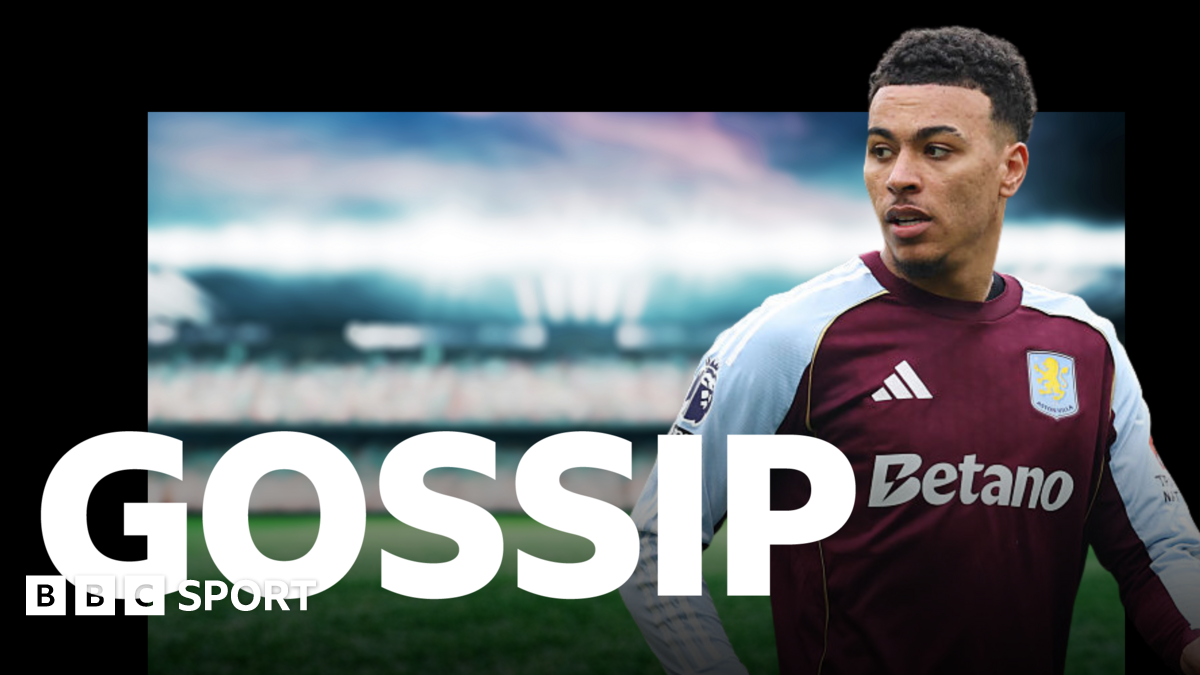
10. The Morgan Rogers Valuation Spike
Aston Villa’s attacking midfielder is no longer a sleeper pick for the Premier League’s elite. He is currently the focal point of a massive transfer tug of war as we approach the summer window. According to recent reports, elite European clubs are prepared to pay well over **£60 million** for his services. Rogers has developed a knack for breaking lines that makes him a statistical outlier in the current market. If Villa fails to secure Champions League football, keeping him in Birmingham becomes a mathematical impossibility. This isn't a speculative bubble; it's the result of consistent output against the top six teams this season.
9. Alisson Becker’s Turin Connection
The rumors linking Alisson Becker to Juventus are moving from whisper to roar. The Italian giants are reportedly gaining hope of securing the Brazilian shot-stopper this summer. Losing Alisson would be a foundational blow to Liverpool’s defensive structure. He remains the gold standard for 1v1 shot-stopping, even as he enters a different phase of his career. Juventus needs a marquee signing to signal their return to the European summit. A move to Turin would be the most significant goalkeeping transfer since Buffon’s heyday. It represents a potential end to an era at Anfield that many fans aren't ready to face yet.
8. Arne Slot’s Security Detail
Despite the noise surrounding player exits, Liverpool’s ownership is standing firm on their tactical lead. The board believes Arne Slot will remain head coach next season, shutting down speculation of another managerial merry-go-round. This is a rare moment of institutional stability in a league that usually eats its own. Slot has managed to navigate the post-Klopp transition without the expected collapse in form. His ability to keep the squad focused on the UCL Quarter-Finals while his star keeper is linked to Italy is impressive. Continuity is the most undervalued asset in modern football, and Liverpool is betting the house on it. This decision avoids the chaotic vacuum that usually follows a legendary tenure.
7. The UCL Quarter-Final Opening Salvo
The matches on April 7 and 8 proved that the gap between the European elite has narrowed to almost zero. We saw two matches decided in the **87th minute**, proving that fatigue is now the primary tactical variable. High-pressing systems are beginning to fray under the intensity of the April schedule. Managers are being forced to choose between domestic titles and European glory with every substitution. The tactical flexibility shown by the home teams in the first legs will define the return fixtures in five days. If you aren't rotating your bench by the 60th minute, you are essentially forfeiting the tie. These opening matches were less about beauty and more about survival in the technical area.
6. The 48-Team Logistics Realization
With only **63 days** until the World Cup kicks off in the USA, Canada, and Mexico, the reality of an expanded format is hitting home. FIFA’s decision to include **48 teams** has turned the qualifying process into a marathon of attrition. National team coaches are already scouting 50-man squads to account for the inevitable injury crisis. This tournament will be won by the nation with the best medical department, not necessarily the best starting eleven. The logistics of travel across three massive countries will test even the most organized federations. We are seeing the death of the 'small' international break as nations prepare for this unprecedented scale. It is a massive risk that could dilute the quality of the world's most prestigious trophy.
5. The FA Cup Final Path
The bracket for the May 16 final at Wembley is finally clear, and it’s a disaster for the traditional 'Big Six' narrative. We have seen a resurgence of tactical discipline from mid-table clubs that have neutralized expensive attacking units. The FA Cup remains the only tournament where a single mistake can derail a billion-dollar project. This year's semi-finals were a masterclass in low-block defending and clinical counter-attacking. It’s a refreshing change from the predictable dominance we see in the league table. The eventual winner will likely be the team that treats the trophy with the most respect, rather than a secondary objective. Winning this trophy is no longer a consolation prize; it's a vital piece of silverware for any manager looking to survive the summer.
4. The Emergence of the Low-Block Specialist
The era of 70% possession is effectively over at the top level. We are seeing a return to hyper-specialized defensive structures that prioritize space denial over ball retention. This shift is a direct response to the predictable patterns of modern positional play. Teams that can sit deep for 80 minutes and strike once are the ones winning the tactical war in 2026. This isn't 'parking the bus' in the traditional sense; it’s a sophisticated, data-driven approach to defensive geometry. Every movement is calculated to force the opponent into low-probability shots from distance. It’s ugly to watch for the neutral, but it’s becoming the only way to beat the financial heavyweights. The frustration on the faces of elite strikers is a clear indicator that this trend is working.
3. The London-Manchester Title Pivot
The Premier League title race is currently separated by just **3 points** at the top. Every weekend feels like a knockout round, with the lead changing hands three times in the last month. The psychological toll on the players is evident in the increasing number of unforced errors we are seeing in high-stakes matches. Manchester City's experience is being tested by Arsenal's youthful aggression in a way that feels permanent. This isn't a one-off rivalry; it's the new blueprint for domestic competition. If you drop points against a bottom-half team now, your season is effectively over. The margin for error has vanished, replaced by a relentless need for perfection. It’s exhausting to watch and even more draining to play.
2. Real Madrid’s Transition Mastery
While everyone focuses on their attacking flair, Real Madrid’s true strength is their defensive transition. They have mastered the art of being outplayed for 70 minutes only to win the match in a five-minute burst. This is the hallmark of a team that understands the rhythm of European football better than anyone else. They don't panic when they lose possession; they simply reset and wait for the inevitable opening. This maturity is something that money cannot buy, and it’s why they remain the favorites for the UCL. Their performance in the first leg of the Quarter-Finals was a clinic in emotional regulation. They aren't just playing football; they are playing a psychological game that their opponents usually lose before kickoff.
1. The European Thursday Gauntlet
The Europa League and Conference League Quarter-Finals kicking off today are no longer 'secondary' events. The quality of football in these tournaments has skyrocketed as the UCL becomes a closed shop for the ultra-wealthy. These matches offer more drama, more goals, and more tactical variety than the Tuesday/Wednesday fixtures. The pressure to win these trophies is massive, as they represent the most realistic path to Champions League qualification for many. We are seeing established giants fighting for their lives against hungry, well-coached outfits from smaller leagues. It’s a reminder that football’s soul still resides in the knockout rounds, regardless of the brand name on the trophy. Tonight’s matches will likely provide more talking points than the entire UCL group stage combined.
Honorable Mentions
Lamine Yamal’s continued ascension at Barcelona deserves a nod, even as the club struggles with financial gravity. He is a one-man highlights reel in a team that often looks lost. The rise of Xabi Alonso’s tactical influence across Europe is also worth noting; his fingerprints are on every successful counter-pressing system we see. Finally, a word for the fans who are enduring ticket price hikes while their clubs prioritize global markets over local loyalty. The atmosphere at stadiums is becoming more corporate, which is a negative trend that no one seems willing to stop. Football is in a period of extreme growth, but we must ensure it doesn't lose its identity in the process.
Read Next
- Top 10: Moments Defining European Football in 2026
- Andy Robertson's Anfield exit marks the end of an era
- Summer chaos is coming for Newcastle and Liverpool
- Arne Slot's Fiery Start: Mirror Report Claims 'Contempt' For Salah Post-PSG Loss
- 🏆 World Cup 2026 — Full Coverage Hub
- ⭐ UCL 2026 — Champions League Quarter-Finals Hub