The mathematical reality of a collapse
Entering the final weekend of the 2025/26 Premier League season, Tottenham Hotspur face a statistical reality that was unthinkable eight months ago. In August, the algorithmic models gave Spurs a 0.04% chance of being involved in a relegation scrap. Today, following a series of tactical failures and a officiating decision that has left the club reeling, that probability has surged to 42.8%.
As Phil McNulty noted for the BBC, the club is now fighting for both survival and dignity. It is the ultimate humiliation for a project that was supposed to be competing for Champions League spots. Instead, they are staring at the trapdoor because of a fundamental inability to manage the closing stages of matches.
The numbers are damning. Tottenham have surrendered 21 points from winning positions this season, the highest figure in the division. This isn't just bad luck; it is a structural defect. When protecting a lead, their defensive line remains high, but the pressure on the ball from the midfield trio drops by 14% in the final twenty minutes of games. They are neither pressing effectively nor sitting deep. They are simply existing in a tactical vacuum.
The split-second call that changed the math
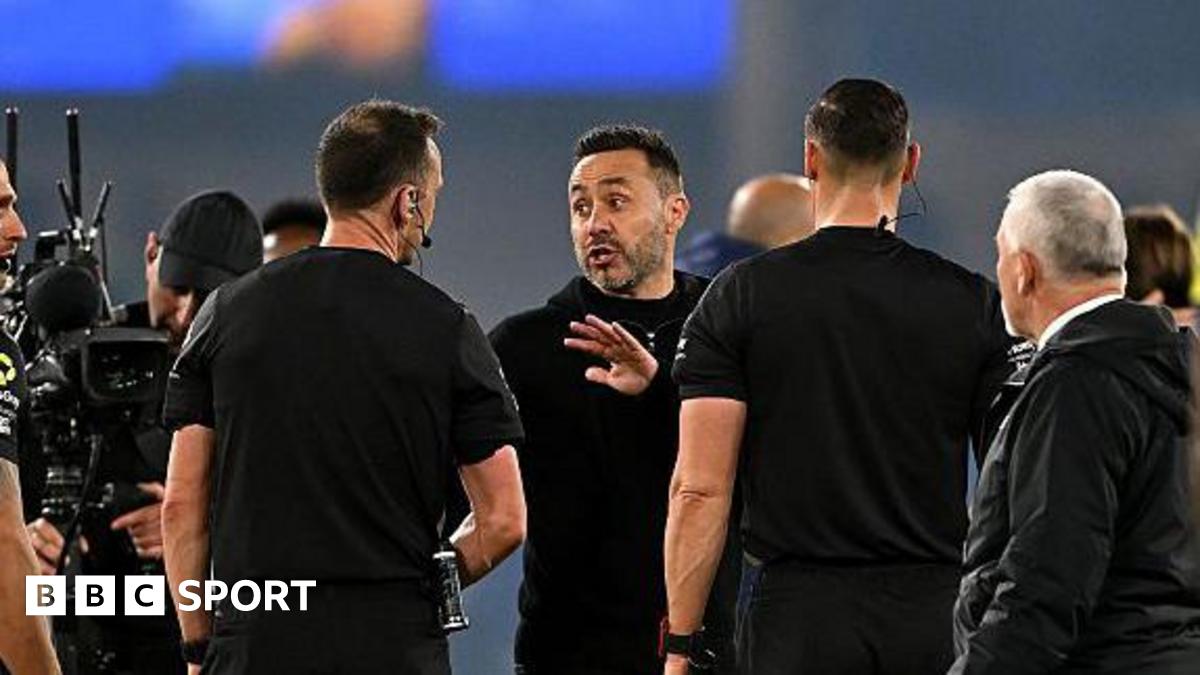
The controversy in the penultimate matchday wasn't just about a refereeing error; it was about the razor-thin margins of elite failure. The disallowed goal in the 94th minute against Nottingham Forest represents a swing of two points that would have mathematically guaranteed safety. Instead, the VAR check for a marginal offside—a call made in a split-second—has forced a do-or-die scenario on the final day.
Statistically, the impact of that single call is seismic. With those two points, Spurs would be on 40 points and safe. Now, they sit on 38, tied with 18th-place Everton but ahead only on a goal difference that has withered during the spring. Their goal difference has plummeted from +12 in December to -4 today. A swing of 16 goals in five months suggests a team that has forgotten how to defend in transitions.
Analyzing the footage of that specific call reveals the danger of the current high-wire act. The offside was measured at 2.4 centimeters. It is the definition of a split-second call. But focusing solely on the officials ignores the 14 shots Spurs allowed in the second half of that match. You cannot blame the technology when your Expected Goals (xG) against per 90 minutes has risen from 1.1 in the first half of the season to 1.95 since March.
The anomaly of the high press
Here is the most surprising finding in the data: Tottenham still lead the league in Passes Per Defensive Action (PPDA) with a rating of 8.2. Usually, a low PPDA correlates with a high-performing, aggressive team like Manchester City or Arsenal. Spurs are pressing intensely, yet they are 18th in the league for goals conceded from fast breaks.
This is the "ghost press." They are sprinting at the ball carrier, but the distances between the defensive line and the midfield have stretched to an average of 34.5 meters. In the Premier League, that is a canyon. Opponents are bypassing the first wave of pressure with one vertical pass 32% more often than they did against Spurs last season. They are working harder, but they are working much, much stupider.
Look at the individual metrics. Cristian Romero is attempting 4.2 interceptions per game, a career-high. However, his success rate in those interceptions has dropped to 58%. He is gambling on every ball because he knows the structure behind him is broken. It is a frantic, panicked style of defending that has resulted in 12 yellow cards for the captain. He is trying to put out a forest fire with a water pistol.
A final day for the history books
Tottenham need 3 points on the final day to guarantee they don't rely on results elsewhere. Historically, teams in 17th place with 38 points on the final day survive 88% of the time. But this is not a normal 17th-place team. This is a squad with a wage bill in the top six that has lost four of its last five matches.
The psychological weight of the situation is reflected in their shot conversion rate. In the last three matches, Spurs have created 8 big chances and missed 7 of them. Son Heung-min's individual finishing underperformance is currently sitting at -4.2 goals relative to his xG. The clinical edge that defined his career has evaporated under the pressure of a relegation fight he never signed up for.
The lack of a Plan B is the primary critical failure. When opponents sit in a low block and wait for the inevitable transition, Spurs have no answer. They continue to recycle the ball at the edge of the area, completing 450 passes per game with only 8% of them entering the penalty box. It is possession for the sake of survival, but it is providing no protection at all.
"To see a club of this stature reduced to begging for a VAR call to save them is the most vivid illustration of how far the standards have fallen in N17."
If Spurs do go down, it will be the most expensive relegation in the history of world football. The financial models suggest a drop in revenue exceeding £150m in the first year alone. That isn't just a sporting disaster; it's a corporate liquidation of an era. The split-second call might be the talking point, but the 3,420 minutes of football preceding it are the true evidence of this decline.
There is no more room for tactical dogma. On Sunday, the high line must be traded for pragmatism. If they attempt to play the same expansive, porous football that has defined their 2026 collapse, the stats suggest they will be punished within the first 20 minutes. The math doesn't care about dignity anymore; it only cares about the points.