The Anatomy of a Season-Ending Blow
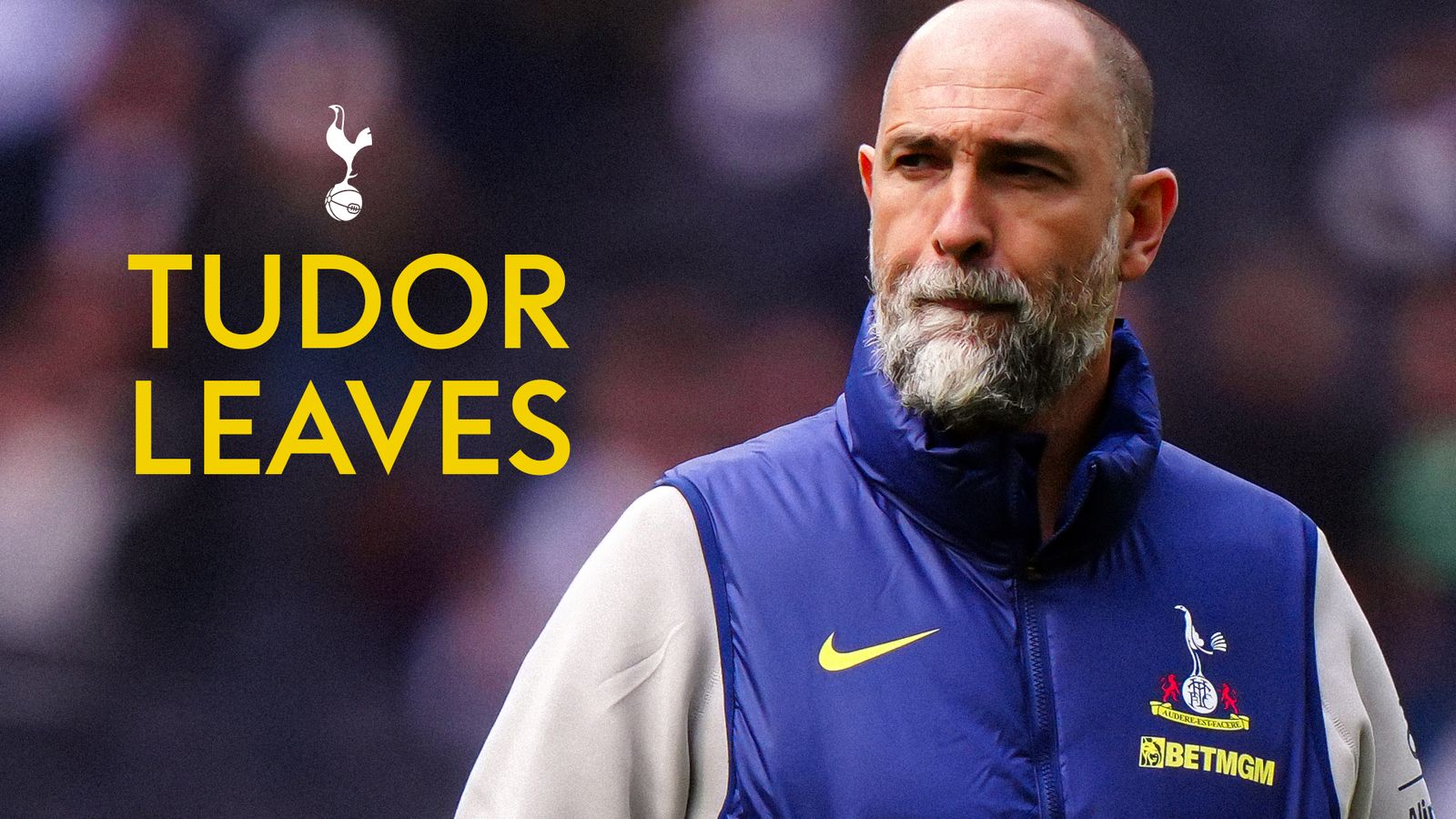
Tottenham Hotspur's nightmare spring has claimed another victim. Fears are mounting that Dominic Solanke's season is entirely over following a severe hamstring injury. Sky Sports reported the suspected tear amidst the absolute chaos of Igor Tudor's sacking. With the calendar rapidly approaching May, any significant soft tissue damage is a death sentence for a player's campaign.
Hamstring injuries are the scourge of the modern center-forward. The initial reporting suggests a substantial tear, likely a high Grade 2 or Grade 3 rupture. This is not a simple strain that can be managed with ice and a weekend off. It is a structural failure of the muscle group responsible for explosive deceleration.
The timing is devastatingly bad. Spurs have roughly a month of competitive football remaining. The minimum recovery window for an injury of this suspected magnitude is six weeks. Solanke's season is done, and the focus must immediately shift to ensuring he does not miss the beginning of the next pre-season.
You cannot cheat the biology of a hamstring tear. The muscle fibers require time to bridge the gap created by the rupture. The resulting scar tissue is inherently less elastic and more prone to re-injury. Rushing a player back for a desperate late-season push almost always ends in a more catastrophic failure.
Managerial Chaos and Medical Vacuums
The environment surrounding this injury makes the recovery process infinitely more complicated. Solanke goes down just as Tottenham has pulled the plug on the Igor Tudor experiment. The technical area is vacant. Medical departments rely heavily on the tactical staff to manage player loads and communicate risk. Right now, that communication chain is broken.
Two unnamed club legends have reportedly offered to step in and take over following Tudor's exit. While romantic, this presents a nightmare for the sports science team. Interim managers, especially former players looking to prove a point, often rely on short-term emotional bumps and increased physical output. They need immediate results.
The medical staff must now act as an absolute firewall. They have to protect Solanke from any pressure to return prematurely. A new interim boss will want his best striker available, but the doctors cannot yield. The lack of permanent leadership at the club creates a dangerous vacuum where long-term player health can easily be sacrificed for a quick fix.
This is a massive failure of squad management. Tudor's training methods were notoriously demanding, and questions must be asked about the workload tracking leading up to this point. Did the GPS data show a spike in high-speed running metrics? Were the acute-to-chronic workload ratios ignored in a desperate bid to save Tudor's job? These soft tissue injuries rarely happen in a vacuum.
The Tactical Fallout
On the pitch, Spurs are fundamentally broken without Solanke. He is not merely a goalscorer; he is the structural pillar of their attacking phase. His ability to pin center-backs and act as a reliable out-ball is irreplaceable within the current squad. Tottenham simply does not have another profile capable of replicating that specific job.
Opposing defenses will immediately adjust. Knowing Spurs lack a physical focal point, defensive lines will push higher. The space between the midfield and the attack will compress. Wingers will find themselves isolated, and the central midfielders will face relentless pressure without a reliable target to aim for.
We have seen this movie before in North London. During the Harry Kane era, late-season injuries regularly derailed their campaigns. The failure to recruit adequate tactical cover for the number nine position has haunted them repeatedly. The board has gambled on Solanke's durability, and that gamble has spectacularly backfired.
Whoever assumes control of the team will inherit a severely blunted weapon. You cannot implement a high-pressing, transition-heavy system without a striker capable of initiating the press and holding up play. The tactical playbook has to be entirely rewritten overnight.
A League Moving Forward
The contrast across the Premier League is stark. While Tottenham is engulfed in an injury crisis and a managerial search, their rivals are already executing summer strategies. Aston Villa are actively exploring a blockbuster move for Marcus Rashford. They are operating from a position of relative stability.
Villa's ability to plan for the summer highlights Tottenham's current paralysis. When your medical room is full and your manager's office is empty, you cannot recruit effectively. Prospective signings will look at the dysfunction at Spurs and hesitate. The knock-on effects of this chaotic week will be felt long into the transfer window.
Solanke's rehabilitation now dictates Tottenham's summer timeline. If his recovery bleeds into July, the new permanent manager will be heavily handicapped. A coach needs his primary striker available for tactical implementation during pre-season friendlies, not restricted to the stationary bike.
The Premier League waits for no one. Clubs that fail to manage player loads and maintain structural stability are ruthlessly punished. Tottenham is currently providing a masterclass in how to derail a campaign.
The Physiology of the Return
The immediate medical protocol for Solanke is rigid. The first 72 hours are strictly about managing the acute inflammatory response. There is no active recovery during this window. The player is immobilized to allow the damaged tissue to begin the initial clotting and stabilization phase.
Once the swelling subsides, an MRI will confirm the exact location and severity of the tear. Is it the biceps femoris? The semitendinosus? The specific muscle involved dictates the rehabilitation exercises. The medical team will then begin a painfully slow process of isometric loading to stimulate the fibers without stretching them.
The danger zone arrives around week four or five. The player often feels entirely pain-free in daily activities. They feel ready to run. This is a physiological trap. The tissue is still remodeling and lacks the tensile strength to handle high-velocity eccentric loading. Sprinting too early will simply tear the new scar tissue wide open.
This is why the medical staff's authority must be absolute. The transition from controlled jogging to chaotic, reactive sprinting is where most setbacks occur. Solanke will need to clear stringent neuromuscular tests before he is cleared for full contact. Given the current state of Tottenham Hotspur, patience is the only viable strategy.
The Cost of Medical Mismanagement
When assessing a hamstring failure of this magnitude, the focus must shift to preventative measures. Modern sports science relies heavily on predictive data. Muscle injuries are rarely sudden events. They are the final snapping point of a tissue under duress for weeks. Solanke reaching the point of structural failure suggests a breakdown in internal monitoring.
The medical department's mandate is to protect the asset. If the data indicated Solanke was entering the red zone for fatigue, he should have been rested. The reluctance to rest a star player often stems from managerial pressure, particularly when a coach like Tudor was fighting to save his job.
This dynamic highlights a systemic flaw in how clubs handle medical autonomy. The head of sports science needs the authority to overrule the manager when physiological data flashes warning signs. Without that veto power, players are pushed into the danger zone. Spurs are now paying the price for organizational dysfunction.
The priority is salvaging what remains of Solanke's physical baseline. Every day of rehabilitation must be meticulously planned. There is zero margin for error. The club failed him by allowing the injury to happen. They cannot afford to fail him again during the recovery.
Read Next
- Spurs fans are spiraling as injuries drag them towards the abyss
- Spurs making a move for Marcus Rashford is the logical end of a messy era
- Fans are tired of TV networks holding the fixture list hostage
- The Premier League just handed Arsenal and City a scheduling nightmare
- 🏆 Europa League Final 2026 — Full Coverage Hub