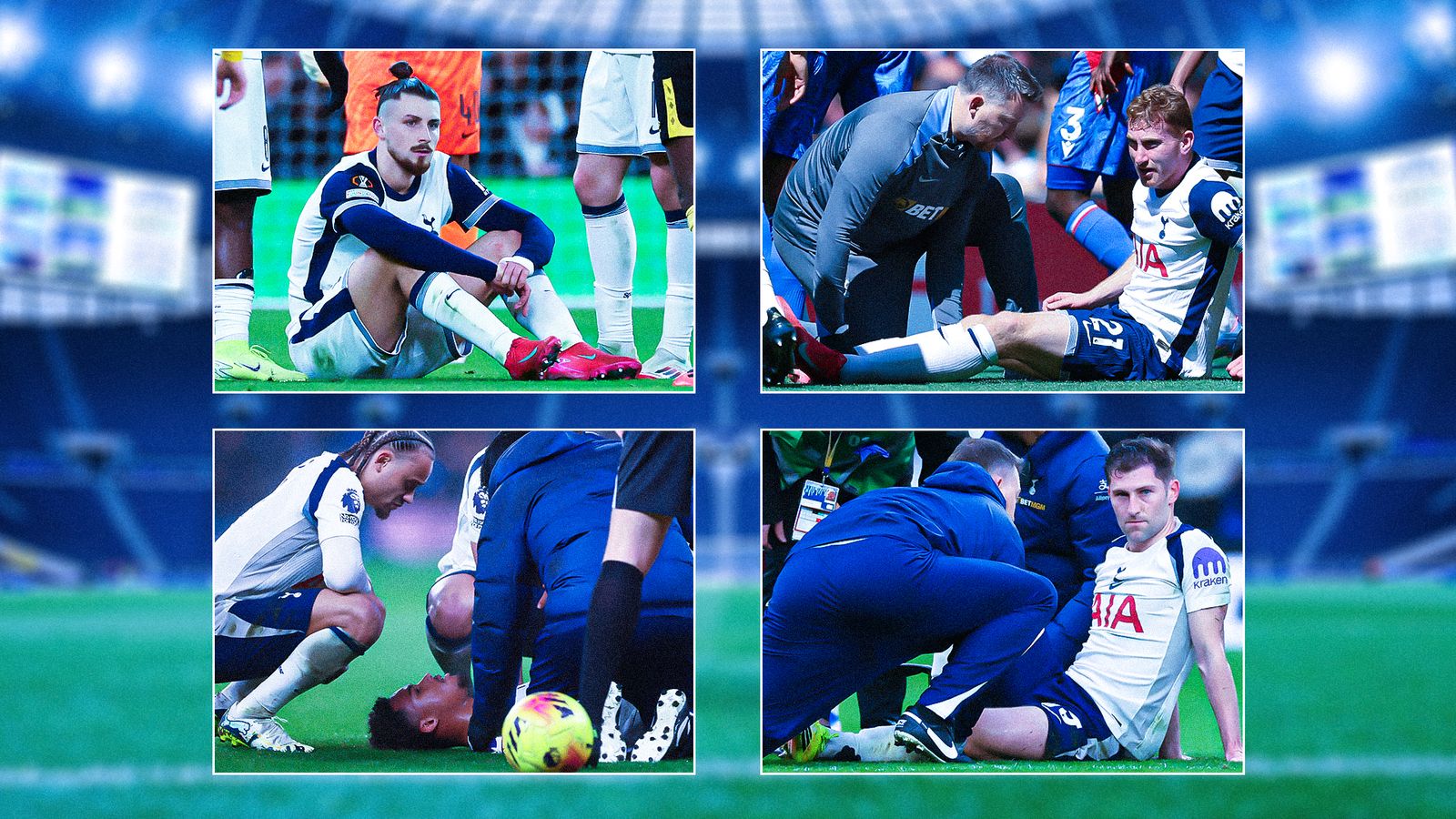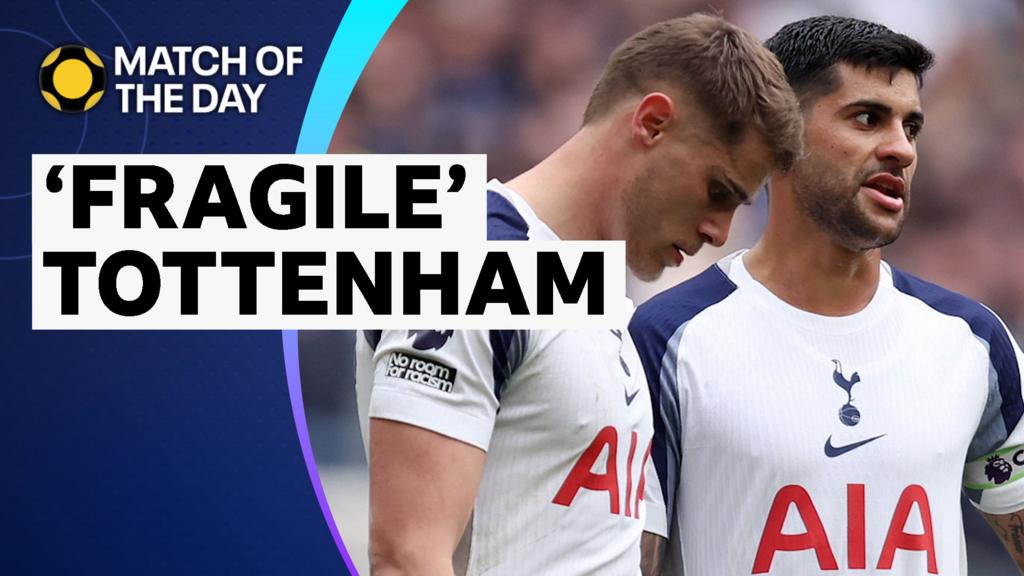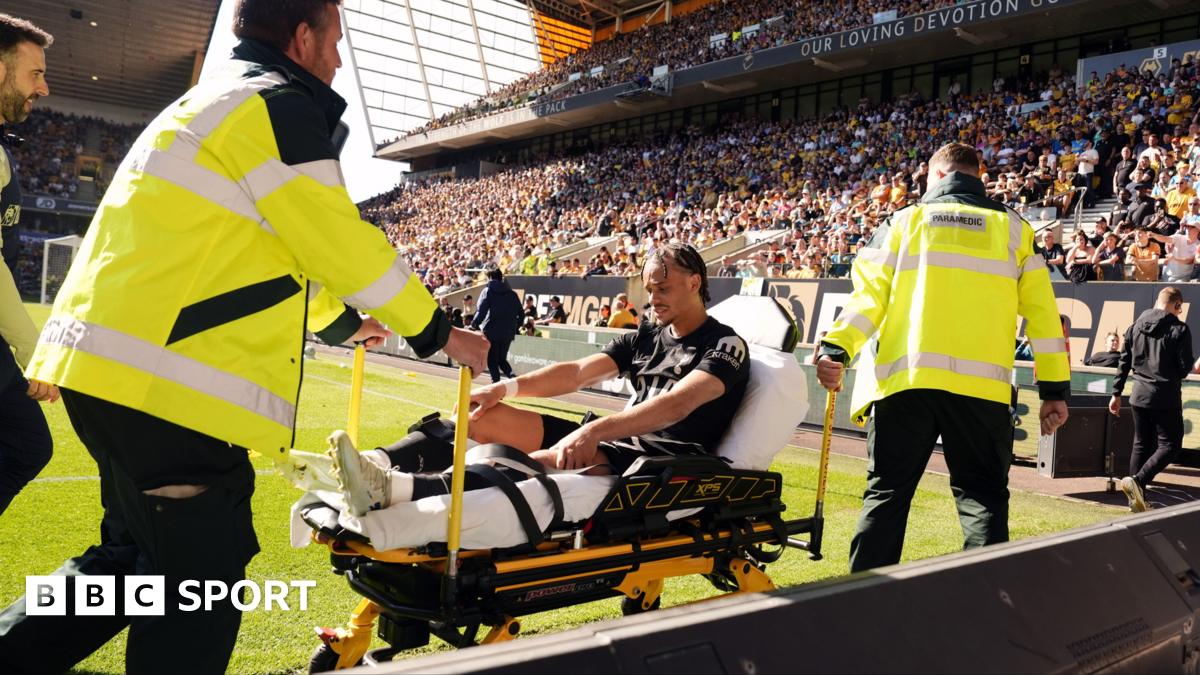
The date is finally set for Tottenham's highly anticipated match against Chelsea. The confirmation of this fixture creates an immediate headache for the medical and fitness staff at Hotspur Way. Rescheduling a high-intensity London derby for the final weeks of the season guarantees a brutal spike in workload, affecting the entire squad already carrying the cumulative fatigue of a grueling campaign.
Ange Postecoglou's system is notoriously demanding on the body. The constant pressing and high defensive line require repeated maximum-effort sprints, making recovery windows the most valuable commodity in the building. Losing even one day of rest can be the difference between a minor muscle tweak and a severe grade-two tear.
Sports science departments rely on carefully mapped micro-cycles to manage player loads. Dropping a fixture of this magnitude into the calendar disrupts those perfectly calibrated plans. The medical staff will now have to adjust training volumes, potentially reducing on-pitch work to mere activation sessions to avoid soft tissue damage.
Chelsea presents a unique physical challenge with pace in transition that forces opponents into reactive, high-speed recovery runs. These explosive, unpredictable movements are exactly what cause hamstring and groin failures. The Tottenham fitness coaches will be staring at GPS data trying to identify who is physically compromised before kickoff.
Historical context of late-season breakdowns
We have seen this exact scenario play out before with devastating consequences. Teams pushing for European spots often hit a physical wall, with soft tissue injury rates reportedly spiking by 18 percent in late April. The adrenaline of a derby can mask the initial signs of fatigue, but the muscles eventually give out.
Look back at similar scheduling crunches in recent Premier League history. When high-pressing teams are forced to play three games in eight days, the injury rate climbs sharply. Managers are forced to gamble on players who are carrying minor knocks, playing a dangerous game of physical roulette that rarely ends well.
The medical team's job shifts from development to pure triage in these moments. They are no longer building fitness; they are actively managing physical degradation. Ice baths, massage therapy, and sleep monitoring replace intense field sessions, as every slight ache reported requires an immediate risk assessment.
Postecoglou's stubborn refusal to rotate his squad in earlier, less demanding matches has directly contributed to this current physical fragility. By relying on the same core group of players week after week, he has pushed them into the red zone. The medical team is now forced to manage the fallout of his rigid selection policies, a glaring flaw in his managerial strategy.
The biomechanics of the Postecoglou system
To truly understand the medical risk, you have to look at the biomechanics of Tottenham's current tactical setup. The inverted fullbacks are required to cover immense ground, transitioning from wide defensive positions into central midfield roles. The lateral movements combined with sudden forward bursts are a nightmare for the ACL and meniscus.
The central defenders are not spared either. Playing a high line means they are constantly engaged in foot races with opposing attackers, leading to the primary cause of hamstring pulls. The league average for hamstring recovery is currently sitting at 24 days, a massive chunk of time that nobody can afford to miss during the run-in.
When you compress the schedule, these biomechanical stresses compound rapidly. A muscle that hasn't fully recovered loses its elasticity and becomes rigid, snapping when forced to stretch during a high-speed sprint. The medical team uses isometric strength testing to measure this elasticity, but the tests are not foolproof when fatigue is severe.
The medical team also has to account for the playing surface at Stamford Bridge. Different pitches have different firmness levels, and a harder surface drastically increases the impact load on the joints. The players' boots will be specifically selected by the podiatrists to provide maximum shock absorption without sacrificing traction.
Chelsea's tactical approach will only exacerbate these joint and muscle issues. They like to overload the flanks and force quick defensive rotations. Every time a Tottenham defender is forced to suddenly change direction to track a runner, the risk of a joint injury spikes significantly.
Industry trends and the breaking point
The broader football industry is watching these scheduling crunches with growing alarm. The sheer volume of matches is pushing the human body beyond its natural limits, resulting in a significant rise in severe knee injuries across the top leagues. The calendar is simply too packed for adequate recovery.
Competitors across the league face the same issues, but the timing of this specific fixture puts Tottenham in a uniquely tight spot. Other teams battling for European places will be monitoring Tottenham's starting lineup closely. A significant injury in this Chelsea game, broadcast live on Sky Sports, could derail their entire campaign.
The calls for a winter break or a reduction in cup fixtures have fallen on deaf ears at the executive level. Television broadcasters pay billions for constant content, and they expect the stars to be on the pitch regardless of the physiological cost. The players' unions have threatened action, but no structural changes are imminent.
The medical departments are fighting a losing battle against the television-driven fixture list. They have the best technology, the best nutritionists, and the best facilities in the world. But none of that can replace simple, unadulterated rest to repair the micro-tears caused by a ninety-minute football match.
This situation exposes the flaw in having expanded competitions and endless television broadcasts. The product suffers when the athletes are running on empty. Fans want to see peak performance, not a war of attrition between two exhausted squads operating on fumes.
Final preparations and protocols
The next few days at the training ground will be incredibly tense. The physio room will be the busiest area in the facility as players report tight calves, sore groins, and heavy legs. The doctors will have to decide who gets a scan and who just needs an extra day off their feet.
Nutrition plays a massive role in this rapid recovery protocol. The players will be forced to consume massive amounts of carbohydrates to replenish their glycogen stores immediately after training. Hydration testing will be rigorous and uncompromising, as a drop in hydration significantly increases the risk of a muscle strain.
The final training session before the Chelsea match will likely be a purely non-contact walkthrough. The coaches will focus on tactical shape rather than physical exertion. The goal is to get the players to the starting whistle without any further physical damage, a precarious balancing act.
The psychological aspect of this physical exhaustion cannot be ignored. Physical fatigue inevitably leads to mental fatigue, slowing down decision-making on the pitch. A delayed reaction of just a fraction of a second can result in a poorly timed tackle that endangers both players.
Players who are carrying minor injuries often face immense mental pressure. They want to play in the big games, but they know they are operating at less than peak capacity. The fear of breaking down on national television is a heavy burden that the medical staff must manage.
Ultimately, the medical team can only do so much. Once the players cross the white line, the adrenaline takes over and the data goes out the window. Tottenham faces a massive test of their sports science protocols, and the outcome might be decided in the physio room rather than on the pitch.
Read Next
- Tottenham face a brutal reality after the Xavi Simons injury disaster
- Spurs and Chelsea are on a collision course to ruin someone's season
- Rashford to Barca is a tactical mismatch and Chelsea's shortlist is a mess
- Chelsea's managerial shortlist proves the board is still guessing
- 🏆 Europa League Final 2026 — Full Coverage Hub