Chaos in Lima during pre-match gathering
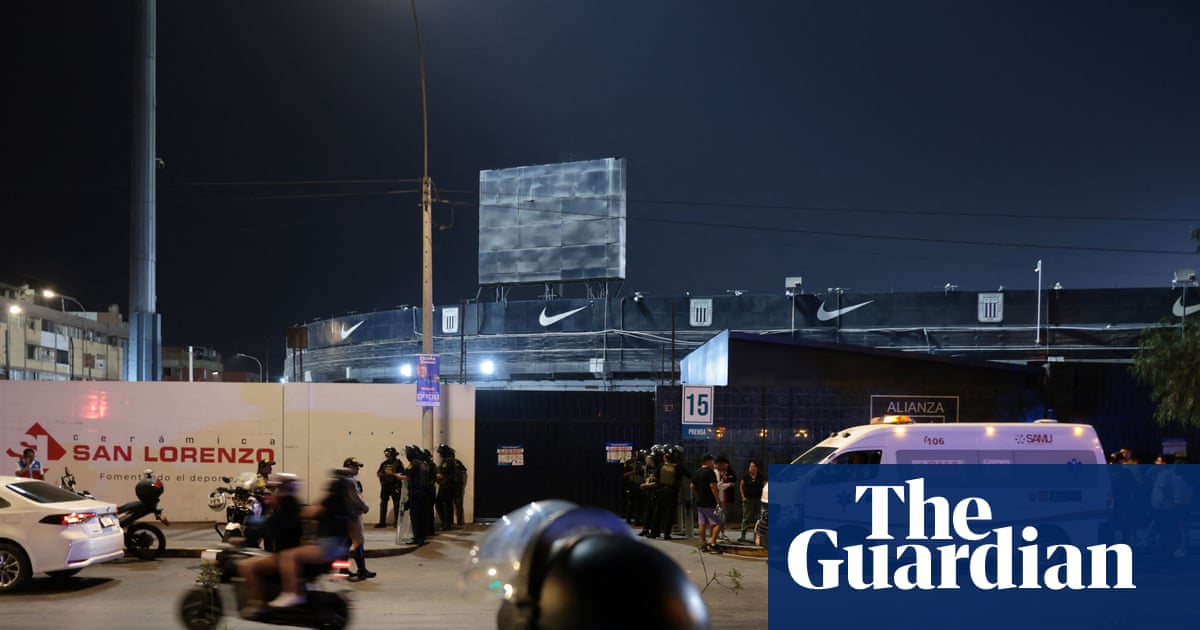
One person is confirmed dead and dozens have sustained injuries following a harrowing event at the Alejandro Villanueva Stadium today, April 4, 2026. The tragedy unfolded during a routine "flag-waving" event held by the fanbase ahead of an upcoming fixture.
Reports immediately circulated suggesting that a perimeter wall had suffered a structural collapse during the gathering. However, representatives from Alianza Lima have officially pushed back on those claims. The club maintains that there were no structural failures within the facility that contributed to the incident.
Investigating the aftermath
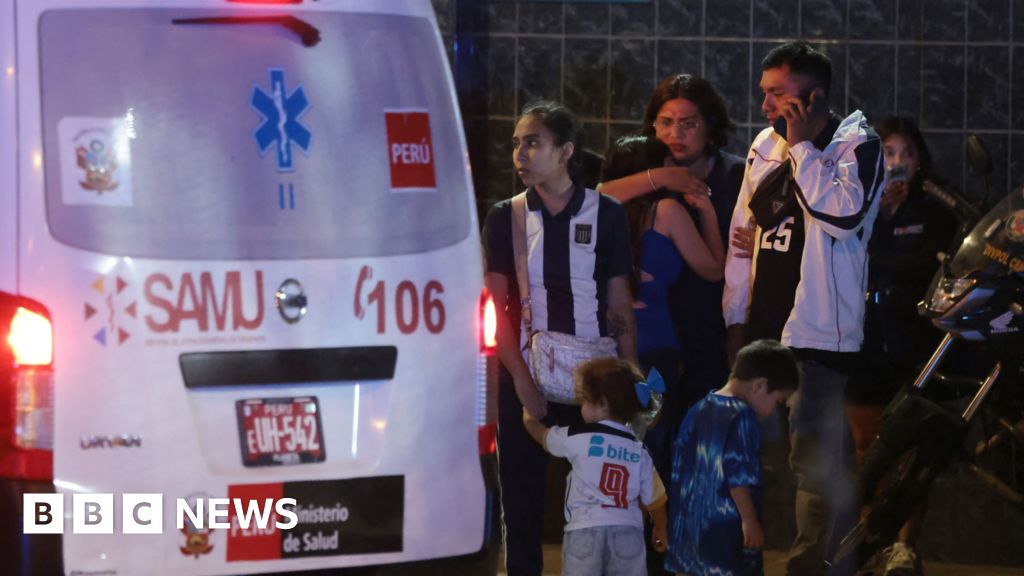
Emergency medical teams were dispatched to the stadium grounds as the situation escalated quickly. The exact nature of how the crowd sustained such a high volume of injuries remains under investigation by local authorities.
While Alianza Lima is working to distance its facility management from the tragedy, the fan experience at large-scale football events is now under massive scrutiny. With the intensity of pre-match rituals often pushing physical boundaries, this incident serves as a grim marker regarding crowd surge management.
Operational impact and industry perspective
The timeline for moving forward remains uncertain as authorities secure the stadium. For the club, this represents a significant operational oversight regardless of whether a wall buckled or a surge occurred. Any investigation into stadium safety is likely to cause delays for future home bookings.
As reported by The Guardian, the local response was immediate. The club is now facing high-pressure demands to justify why hundreds were gathered in a specific zone without adequate flow control.
Sporting institutions frequently struggle with the balance between fan engagement and crowd safety. Historical precedents in South American football have often centered on inadequate gates or poor exit routing. Following this disaster, the club’s leadership will likely be forced to implement more rigid perimeter security protocols.
Looking toward the upcoming schedule
Professional football operates on thin margins for error. With the club dealing with this event, the internal operations of the organization will be diverted from sports recovery toward legal and safety audits. These assessments rarely happen without significant interruption to the club’s daily operations.
This incident creates a massive optics problem for the club during a pivotal month in the global football calendar. With major transitions happening in league tables across the globe, a club facing a major safety inquiry often loses focus on the pitch.
The club has confirmed the fatality but has yet to release the identity of the individual. Medical staff are presently attending to those hospitalized, with many reported to have crush-related trauma. No official return-to-play date or training update for the first team has been provided by the club.
Questions regarding the adequacy of the stadium's crowd control strategy will persist. If the wall did not collapse due to poor architecture, then the density of the fans and the speed of their movement provided a dangerous force. A crowd of hundreds in a contained space requires more than a simple security presence to prevent mass-casualty scenarios.
Management must now decide on whether to increase the footprint for future gatherings. Narrow passages and bottlenecked exits are a persistent flaw in older designs, and this event underscores the need for immediate renovations.