Chaos on the Terraces
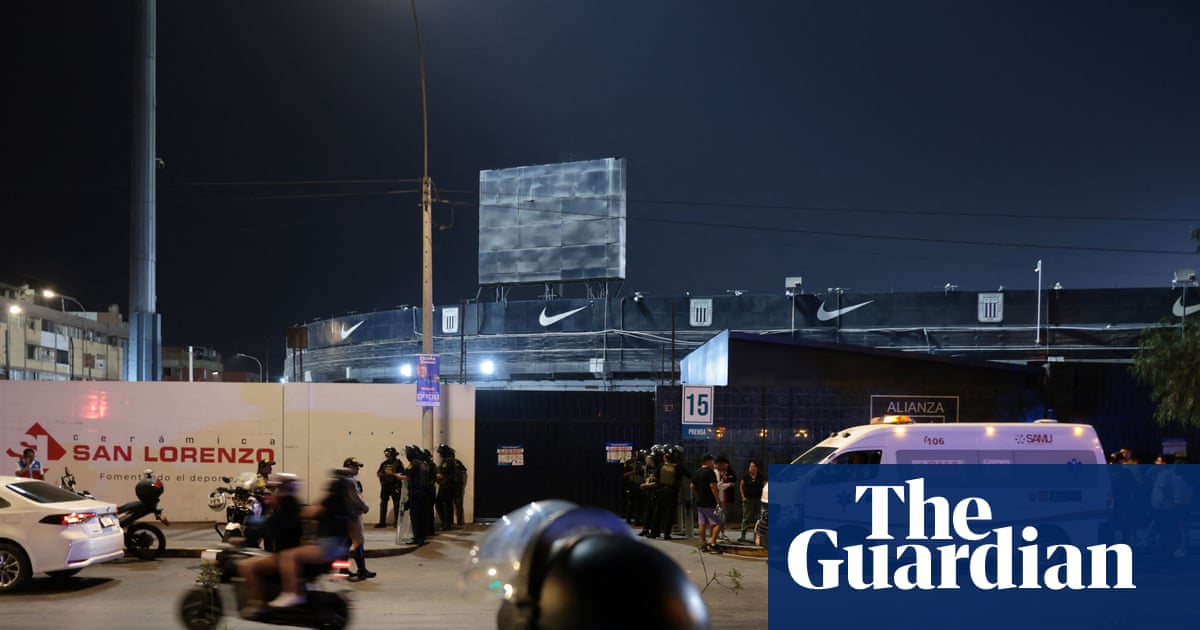
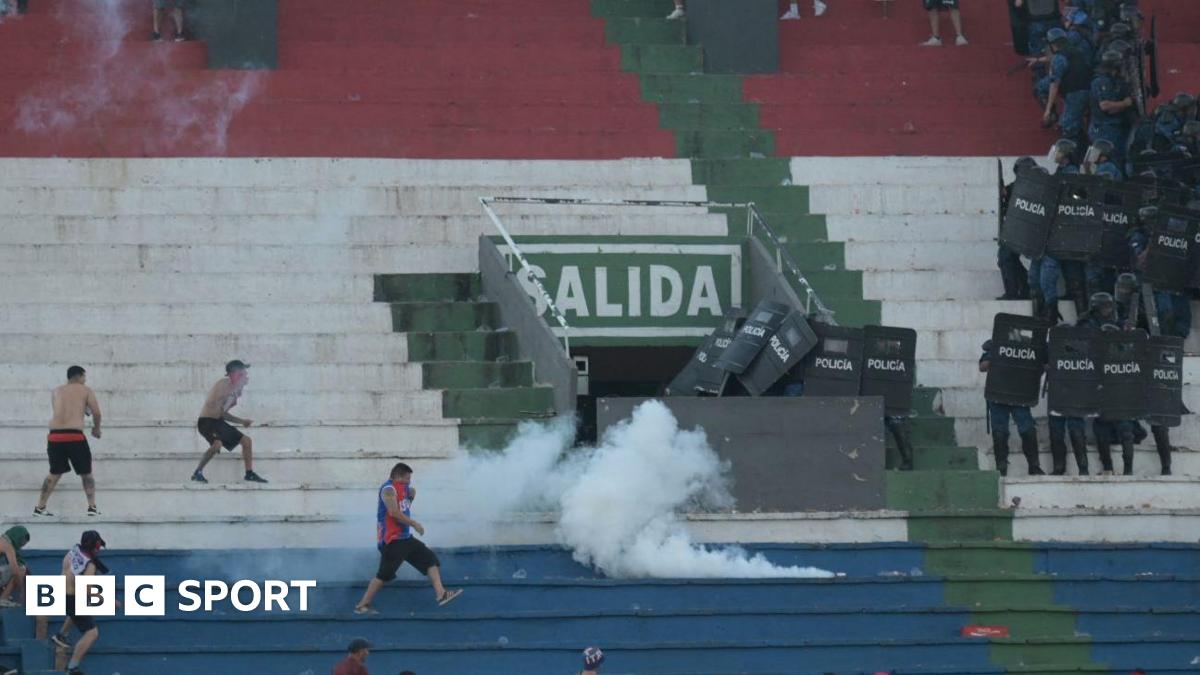
The latest Paraguay first division derby descended into absolute chaos, forcing the referee to abandon the match just 29 minutes after kickoff. Police fired rubber bullets into the crowd as violence spilled over the barriers. Law enforcement detained dozens of fans as the situation deteriorated rapidly into a full-scale riot.
According to confirmed reports from the ground, six police officers sustained injuries during the violent clashes. The severity of their injuries has not been officially detailed by local authorities, but the sheer scale of the disorder required immediate and extensive medical triage. A scheduled football match abruptly transformed into a severe public safety crisis.
Stadium medical personnel are highly trained for athletic trauma. They prep for ACL tears, acute concussions, and sudden cardiac events on the pitch. They do not typically stock enough trauma supplies to handle a mass casualty incident in the stands. When rubber bullets start flying, the medical protocol shifts instantly from sports medicine to battlefield triage.
The decision to pull the players off the pitch at the 29-minute mark was the only viable option. The referee recognized that player safety could no longer be guaranteed. When tear gas and projectiles enter the equation, the playing surface is hopelessly compromised.
The Medical Reality of Riot Control
When police deploy rubber bullets, the medical profile of a stadium changes in a matter of seconds. These kinetic impact projectiles are legally classified as less-lethal, but that sterile terminology masks the severe blunt force trauma they inflict. Fired at close range, they break ribs, fracture skulls, and cause catastrophic ocular damage.
The six injured police officers likely faced a heavy barrage of thrown objects. Bricks, torn plastic stadium seats, and glass bottles cause deep lacerations and traumatic brain injuries. Riot gear provides significant protection, but the sheer force of a heavy projectile can easily cause severe concussions or orbital fractures.
In a crowded, panicked stadium concourse, extracting injured personnel to waiting ambulances becomes a logistical nightmare. The medical staff must navigate fleeing fans, barricades, and ongoing skirmishes just to reach the wounded. The golden hour of trauma care is severely compromised in a riot setting.
Furthermore, the use of chemical irritants like tear gas or pepper spray exacerbates the medical crisis. Fans suffering from asthma or other respiratory conditions are placed in immediate, life-threatening danger. Medical tents quickly overflow with people requiring oxygen and eye irrigation.
Physiological Impact on the Players
Players on the pitch are not immune to the physiological fallout of a riot. At 29 minutes, a professional footballer is fully warmed up, covered in sweat, and deep into their aerobic threshold. Their heart rates are elevated, and their muscles are primed for maximum exertion. The sudden halt forces an abrupt and dangerous cessation of high-intensity activity.
Without a proper cool-down, blood pools in the extremities. The rapid drop in body temperature can lead to severe muscle cramping and stiffness. The club's medical staff must immediately initiate recovery protocols in a dressing room that feels more like a bunker than a sports facility.
More significantly, the massive adrenaline spike caused by nearby gunfire and fleeing crowds triggers a severe acute stress response. The central nervous system shifts violently into fight-or-flight mode. Cortisol levels skyrocket. Once the players reach the relative safety of the locker room, the subsequent adrenaline crash leaves them physically drained and psychologically shaken.
Sports Science and the Aborted Match
From a pure fitness perspective, an abandoned match is a massive headache for the sports science department. The players have completed their tapering, nutrition protocols, and a rigorous pre-match warm-up. They have effectively burned through their match-day physiological reserves for less than a third of a game.
Managers and fitness coaches now have to figure out how to simulate the remaining physical load. Do you run the players into the ground at the training facility the following morning? If you don't, they lose out on match fitness. If you push them too hard, you risk soft-tissue injuries.
If the league reschedules the match for the following week, the entire microcycle is ruined. The carefully planned periodization model goes out the window. The league has to figure out when to play the remaining 61 minutes of football. Jamming this partial fixture into an already congested calendar drastically increases the risk of hamstring and groin strains for both squads.
We see this repeatedly when matches are postponed due to weather, but a violent abandonment carries the added burden of psychological trauma. You cannot simply expect athletes to step back onto the same pitch a week later and perform at their peak without addressing the mental toll of the incident.
A History of South American Violence
South American football has a long, dark history of crowd trouble dictating the action on the pitch. We saw it infamously in 2015 when River Plate players were attacked with pepper spray in the tunnel against Boca Juniors. That match was permanently abandoned, leaving several players with severe corneal burns and acute respiratory distress.
The use of rubber bullets and riot police in stadiums remains alarmingly routine. While local authorities consistently frame these actions as a necessary crowd control measure, the resulting stampedes often cause significantly more injuries than the initial fan violence. Crush injuries and asphyxiation become immediate, terrifying threats when thousands of panicked fans attempt to flee through narrow, poorly designed exits.
This reactive, militarized policing strategy is a total failure of preventative security. Relying on heavily armed riot squads to maintain basic order inside a sporting venue is a glaring admission that the pre-match intelligence and turnstile access controls were wholly inadequate.
Clubs consistently fail to invest in proper stewarding and intelligence gathering. They rely on the state to bail them out when the ultra groups kick off. The result is inevitably violent, chaotic, and dangerous for everyone in the postcode.
The Aftermath and the Medical Bill
The immediate focus must remain on the six injured police officers and the dozens of fans caught in the violent crossfire. Local hospitals in the vicinity of the stadium will be dealing with the bloody fallout for the next 24 to 48 hours. The medical staff at the ground deserve massive credit for shifting gears from sports medicine to emergency mass-casualty trauma care without a moment's warning.
For the Paraguayan first division, the optics are absolutely disastrous. Abandoning a highly anticipated derby before the half-hour mark is a massive blow to the domestic game's credibility and broadcast value. The league's disciplinary committee will likely hand down severe stadium bans, mandate matches behind closed doors, and issue heavy financial penalties.
But those bureaucratic sanctions mean absolutely nothing to the medical workers mopping up the blood on the concourse tonight. Fines do not heal fractured skulls or soothe chemical burns. Until the league fundamentally addresses the root causes of this organized fan violence and stops relying on militarized police tactics as a first resort, these brutal incidents will continue. The physical and human cost is simply too high to ignore.
Read Next
- The Superclásico carnage proves Paraguayan football has lost its way
- Haaland's refusal to dive is costing City more than goals
- The yellow card trap that's about to wreck your team's season
- Bayern won the league, but their midfield is begging to be destroyed in Europe
- 🇵🇾 Paraguay World Cup 2026 — La Albirroja Hub
- 🇺🇸 WC 2026 Group D — USA, Paraguay, Australia