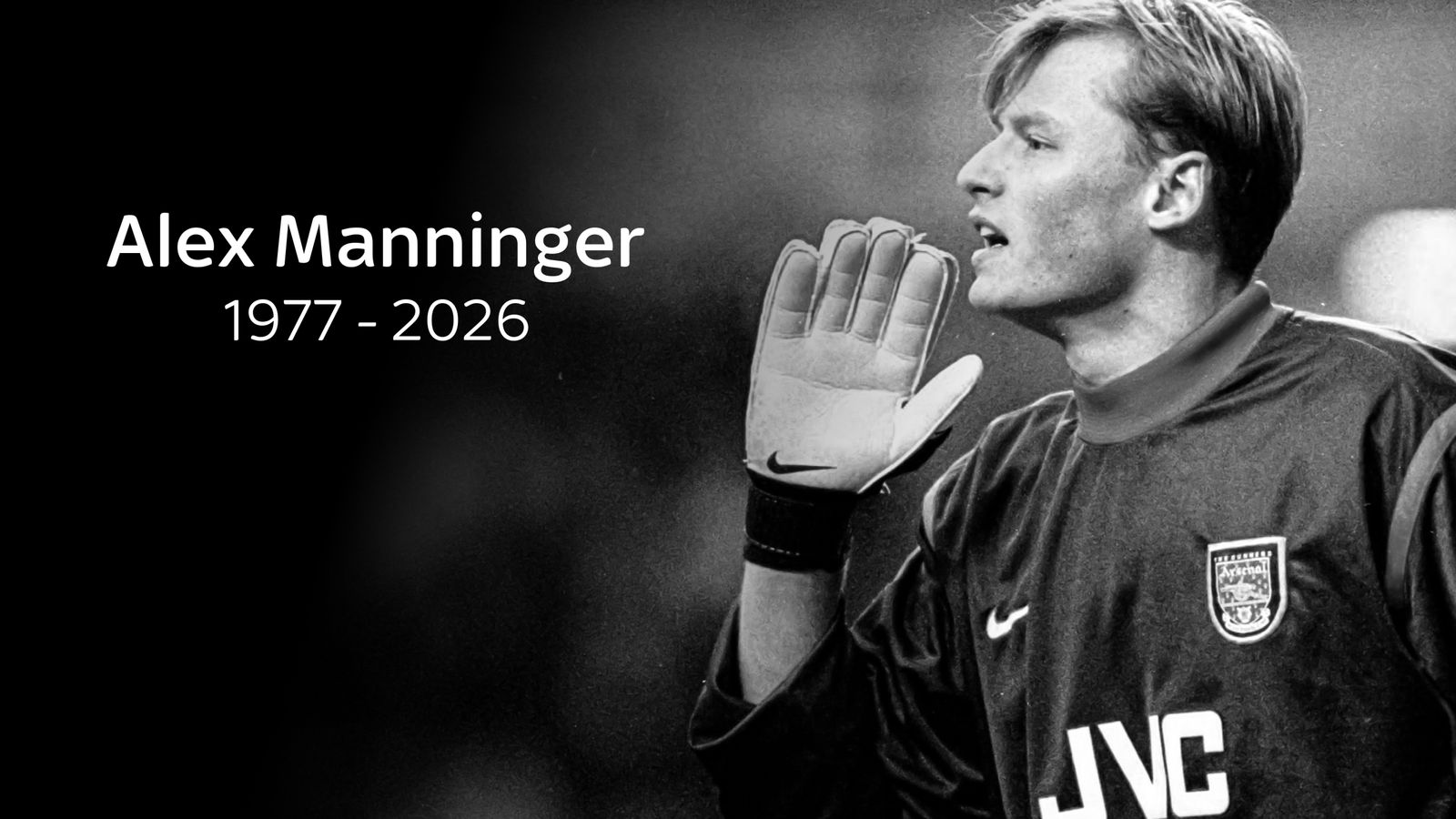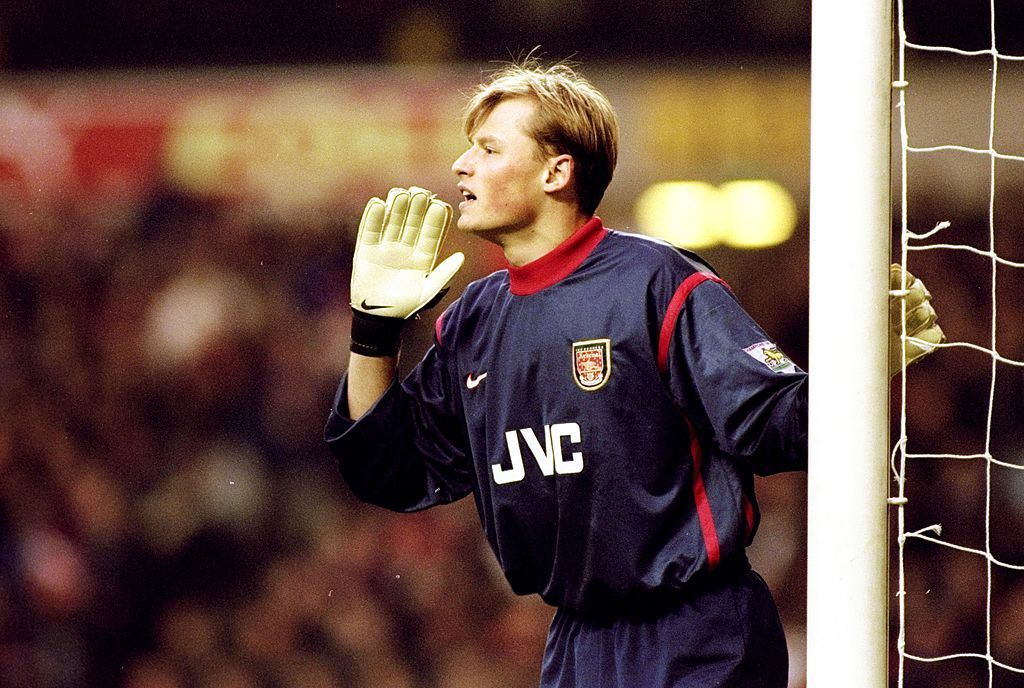
A career that defied the backup label
It is genuinely gutting to wake up to the news that Alex Manninger is gone. At 48, he was far too young, and the details emerging from Austria regarding the collision with a train are nothing short of soul-crushing. While the casual fan might look at his resume and see a journey-man goalkeeper, anyone who actually watched him knows the truth.
He was that rare, underrated professional who understood his role perfectly. From his double-winning season under Arsene Wenger in 1997-98 to his final days providing veteran guidance at Anfield under Jurgen Klopp, he was a genuine student of the game. As Sky Sports noted today, he was a key figure during that iconic Arsenal push, proving you don't need to be the flashy starter to impact a title race.
The fan consensus: A true pro
The sentiment across the forums today is thick with a specific kind of respect. It is rare to see supporters of Arsenal and Liverpool find common ground, but the tributes are universal. The overwhelming consensus is that he was the ultimate glue guy in the locker room. You don't get signed to Juventus or Udinese just by showing up; you get there by taking your craft seriously.
Thread after thread is filled with people recounting his 33 caps for Austria. One user on a popular London-based forum put it best: "Manninger wasn't about the highlights; he was about consistency when the starter had a knock. You never sweated when he had to put the gloves on." That sentiment is echoed as The Mirror highlighted his final interview, where he spoke with genuine warmth about his time at Liverpool.
The skeptics of the modern game
Of course, this being the internet, some are using this moment to rail against the modern obsession with vanity stats. There is a strong faction of fans who are tired of goalkeepers being judged solely on their passing percentage or their ability to play as a sweeper-keeper. These contrarians argue that Manninger represents a lost art: the pure shot-stopper who wasn't afraid to command his box.
One poster argued: "We treat keepers like auxiliary midfielders now, and we’ve forgotten what a steady set of hands looks like. Manninger belongs to that era where if the ball didn't cross the line, the job was done." It is a harsh take, but it lands because it rings true. We might be overcomplicating a position that, at its root, is about bravery, and Manninger was brave as hell.
The human side of the tragedy
The tragedy of his death—a car accident in Salzburg—has left everyone reeling. There is no hot take for a life cut short at 48. When The Guardian confirmed the news earlier today, the narrative shifted from football analysis to pure, human reflection. It is a reminder that these guys aren't just names on a betting slip or player cards on a server; they are people who spent decades honing their craft.
The strongest argument today isn't about his clean sheet record or his trophies. It's that the football community, often characterized by toxic arguments over VAR and transfer fees, can collectively pause to salute a guy who simply did his job. Rest in peace, Alex. You were one of the good ones.