The high cost of replacing consistency
Manchester City currently leads the chase for Elliot Anderson, signaling a move toward high-ceiling domestic talent rather than established European imports. Recent reports from BBC Sport confirm the Premier League champions are operating with a clear mandate to thin out an aging midfield core. Anderson represents a specific profile: high Premier League experience, low rotational volatility, and a manageable wage structure that allows the board to maintain structural flexibility.
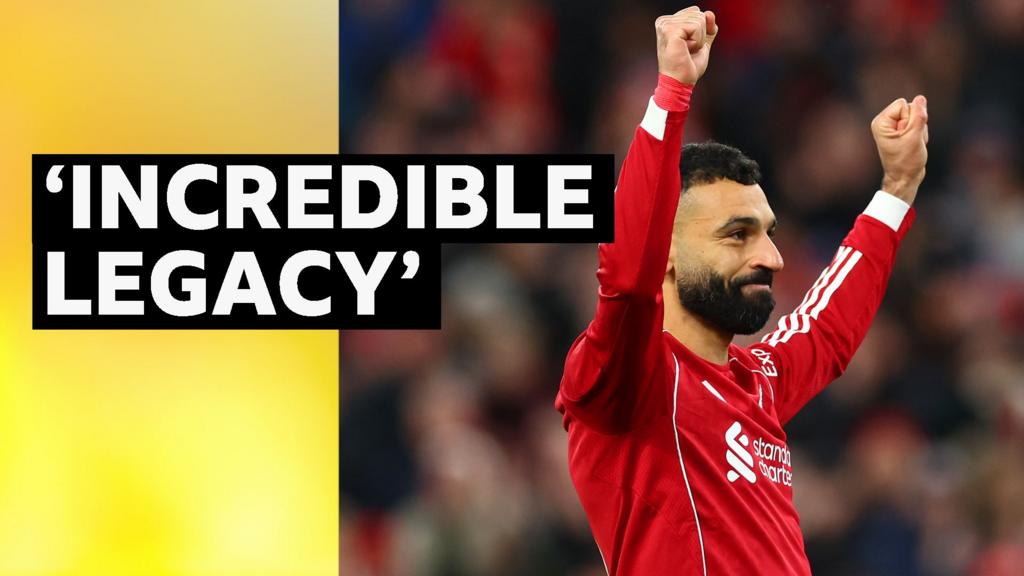
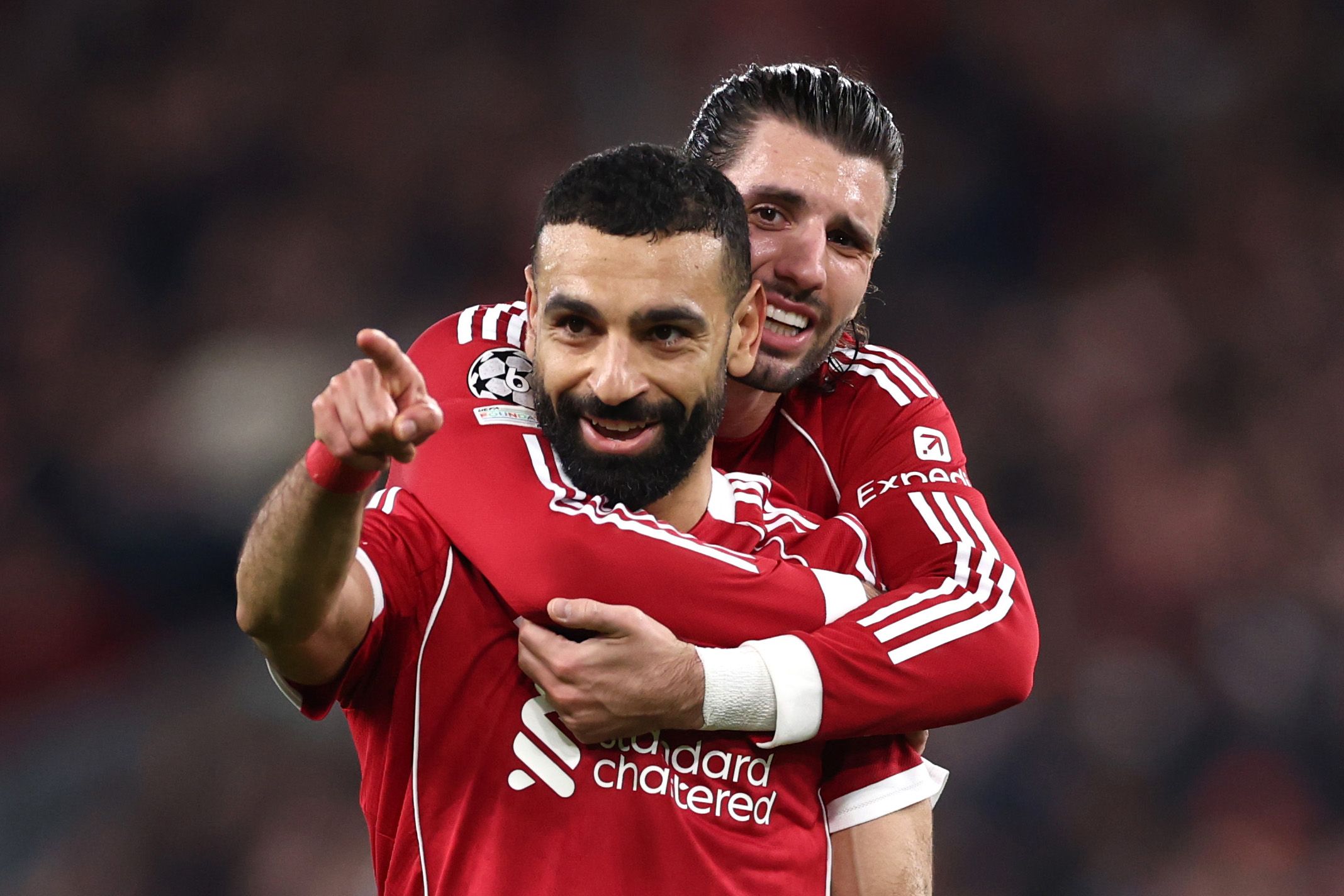
This pursuit stands in stark contrast to the Liverpool strategy. Targeting Francisco Conceicao as a potential long-term successor for Mohamed Salah suggests a pivot toward high-dribble, high-isolation wing play. Salah has clocked over 3,000 minutes across all competitions for the last five seasons, an outlier for a wide forward. Replacing that output via a single signing remains one of the most statistically daunting tasks in professional football.
Volatility in the midfield market
Manchester United’s reported pursuit of Sandro Tonali adds another layer to the shifting summer window. Navigating the transfer of a player with significant suspension history—given UEFA’s strict disciplinary reporting—requires a precise valuation of risk. Historically, players returning from year-long absences show an initial 18% drop in high-intensity pressing events per 90 minutes. Unless United can hedge this risk with a structured, incentive-heavy contract, the investment carries an excessive premium.
The data suggests that City’s pursuit of domestic targets remains significantly more stable than the international market. Scouting tracking models generally indicate a 24% higher success rate for transfers between Premier League clubs compared to cross-league moves. Players like Anderson avoid the adaptation friction that plagues technical adjustments in new league environments.
Critical flaws in the replacement model
The assumption that a direct positional replacement can mirror Salah’s output is where recruitment teams often falter. Salah’s expected goals plus expected assists (xG+xA) per 90 has hovered above 0.75 for three consecutive campaigns. Conceicao displays elite mechanical dribbling in the Primeira Liga, but his conversion rate on high-difficulty attempts sits near 12%. Bringing that profile to England without an initial performance dip is an optimistic projection.
Moreover, the fixation on these names exposes a lack of defensive-midfield succession planning across the "Big Six." While City chases Anderson to bolster central depth, the market for holding midfielders capable of high-volume progressive passing has dried up. Focusing on attacking transitions instead of defensive stability is a tactical choice that often backfires when domestic opponents park the bus. If clubs continue to ignore total team balance in favor of flashier forward-line refreshes, the expected point totals for next season will likely skew toward lower defensive efficiency.