The National Team Standoff
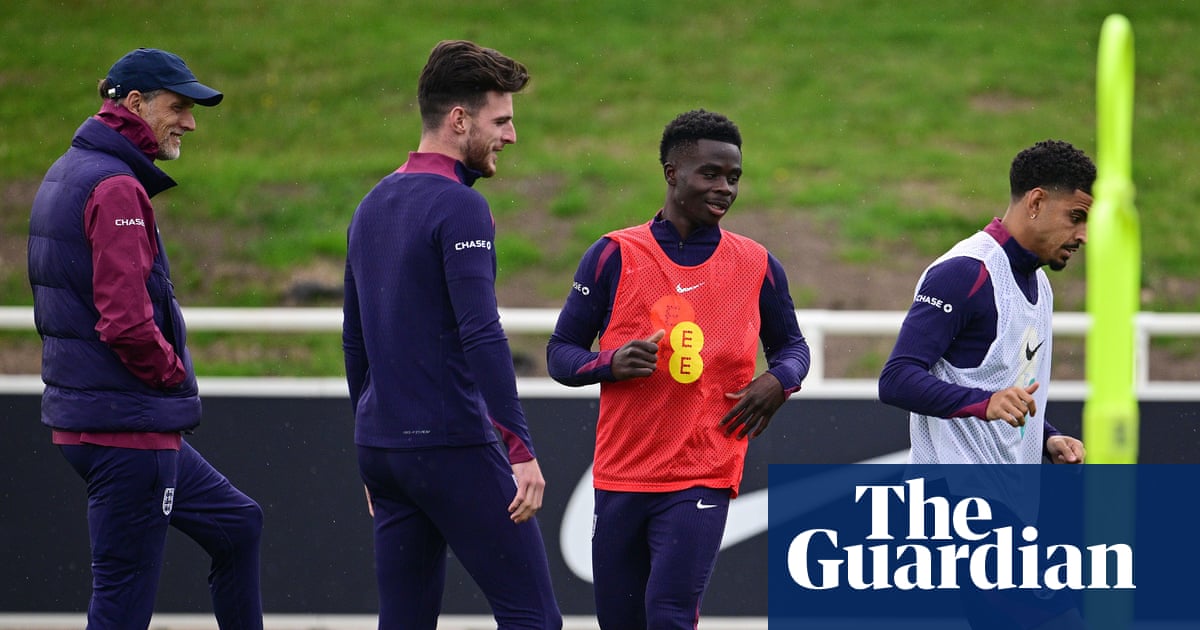
The story is straightforward, yet the implications are anything but. Arsenal's two most important English players, Declan Rice and Bukayo Saka, have withdrawn from the England squad ahead of the international friendly against Japan at Wembley this Tuesday. The official reason, as always, is injury. The reality is a fresh, high-profile chapter in the eternal conflict between club and country.
This isn't a case of a dramatic, on-field injury. Instead, it's the quiet, behind-the-scenes decision that sends shockwaves. As reported by The Guardian, both players were assessed by the national team's medical staff and deemed unfit for the upcoming fixture. They have since returned to their club. In isolation, it's a minor footnote. In the context of Arsenal's tense title run-in and the upcoming Champions League quarter-finals, it's a major flashpoint.
Tuchel's Diplomatic Defense
Arsenal head coach Thomas Tuchel, speaking to the media, navigated the situation with careful diplomacy. He acknowledged the poor optics but backed his players unequivocally, placing the responsibility on the medical assessments conducted by England's own staff.
“We did medical tests. I saw them,” Tuchel stated, making it clear this wasn't a unilateral club decision. He added that he has “100% trust” in his players' professionalism and the verdict of the medics. It’s a manager defending his assets, but it’s also a subtle deflection of pressure back onto the FA. The message is clear: your doctors made the call.
This public backing is essential for player morale, but it does little to quell the wider debate. For fans and pundits, the timing is deeply suspicious. With Arsenal locked in a brutal battle for the Premier League and with a massive Champions League quarter-final tie against Bayern Munich looming on April 7th, resting two indispensable players during a relatively meaningless friendly seems less like a misfortune and more like a strategic masterstroke.
The Arsenal Perspective: Protecting Key Assets
To understand the club's position, one only needs to look at the calendar. The next six weeks will define Arsenal's season. The Premier League title race is on a knife's edge, and their European campaign represents a chance for major silverware. Saka and Rice are not just part of the team; they are the engine room and the creative spark. Their combined value to the club is well over £200 million in transfer fees alone; their value on the pitch is immeasurable.
Bukayo Saka, in particular, has a history of playing through pain. His resilience is legendary, but it has also led to burnout concerns. He has played an immense amount of football for a player his age, and minor knocks have often been managed while he remains on the pitch. A forced rest, under the convenient cover of an international break, could be seen as an essential, if cynical, piece of load management. Declan Rice, meanwhile, is the midfield anchor upon which Arsenal's entire structure is built. His absence for any significant period would be catastrophic to their title hopes.
Tactical Implications for Club and Country
For Arsenal, the benefit is obvious: a full week of rest and tailored conditioning for their two most important players ahead of the season's most critical phase. For England, the cost is a disrupted preparation schedule. The FIFA World Cup is just over two months away, and these friendlies are Gareth Southgate's last chance to test partnerships and tactical setups.
Without Rice, the midfield lacks its primary ball-winner and tempo-setter. Without Saka, the right flank loses its most potent and unpredictable attacker. Their absence forces Southgate to experiment with other options, which has some utility, but denies him the chance to build chemistry between his presumed starters. It sends a worrying signal that when club priorities intensify, international duty becomes disposable.
A Damaging Precedent
Herein lies the critical observation: the practice, while understandable from a club's selfish perspective, is corrosive to the international game. It reinforces the idea that international friendlies are a nuisance to be avoided, an obligation rather than an honor. While Tuchel’s trust in his players may be genuine, the situation contributes to a growing cynicism among fans. It creates two tiers of players: those who turn up for every squad, and superstars who are shielded when their clubs need them most.
This isn't a new phenomenon, but the brazenness is notable in a World Cup year. The unspoken agreement seems to be that as long as the player is available for the major tournaments, they can be excused from the less glamorous preparatory work. It’s a delicate balance, but one that currently feels heavily tilted in favor of the super clubs. The FA is left in a powerless position, unable to challenge the medical assessments without creating an open war with one of its most powerful clubs. The result is that the England manager is deprived of his best players, and the fans who bought tickets to see stars like Saka and Rice are left short-changed. It's a pragmatic decision for Arsenal, but a poor look for the sport.
Read Next