
Tuchel's England Experiment Hits a Wall in Japan
Tactical rigidity meets a clinical counter
The post-match mood at Wembley was grim. Thomas Tuchel stood on the touchline, hands shoved deep into his pockets, watching the Japanese squad celebrate a win that felt earned rather than lucky. This was not the exhibition display many expected from an England team ostensibly rounding into form for the summer, but rather a masterclass in exploiting a high defensive line that sat far too flat.
The statistics reveal a frustrating dissonance with the manager's stated philosophy. England controlled 68 percent of possession, yet finished with a pathetic 0.42 expected goals rating. When you monopolize the ball against a side as disciplined as Japan, playing without vertical penetration is professional suicide. Tuchel insisted his side needed patience, but the movement in the final third was stagnant. There were no overlaps from the fullbacks that actually stretched the Japanese block.
Every time England lost possession, the transition back was exposed. Japan identified the space left behind by our marauding defensive midfielders within the first 10 minutes. By the time the clock hit 64 minutes, the Japanese press had forced three errors in dangerous central areas. It felt as if England were playing a game from two years ago, ignoring the speed at which their opponents were turning defensive stops into rapid attacks.
The misalignment between talent and intent
We saw this same failure pattern play out in the boardroom recently when Yupp crashed after burning through massive piles of investor capital. The logic was that money could force a result, just as the assumption here is that superior individual player ratings will force a win. It turns out that neither technical depth nor a bloated payroll guarantees success when the underlying mechanical assumptions are flawed.
Tuchel keeps rolling out a formation that requires high-intensity pressing, yet the players looked gassed by the hour mark. Japan played around them with ease, rotating their midfield to bypass our press entirely. If the plan is to rely on individual brilliance to salvage a disorganized squad, we are in for a long June. The lack of chemistry between the attacking four was blindingly obvious. They were running into each other’s channels rather than creating space, a sign that the training ground work simply isn't taking hold.
Critics will argue we should be patient with a new regime. I argue that the tactical errors identified in this troubling 90-minute stretch are not quirks to be ironed out; they are systemic issues. If the manager refuses to adjust the line height, the upcoming fixtures look less like preparation and more like a tactical gauntlet. This was the most damning performance since the start of the year, lacking both intensity and a secondary plan when the primary route to goal was blocked.
Missing the mark on squad rotation
The decision to bench key creative outlets until late in the second half remains a head-scratcher. Why give peripheral options 70 minutes to prove themselves when the central rhythm of the game was clearly tilted against us? It felt like a gamble on depth that the squad clearly doesn't possess. By the time substitutions were made, Japan had already solidified their shape and tightened the screws, leaving England to resort to frantic, aimless balls into the box.
This is a squad built to dominate, yet they have become obsessed with lateral circulation. Tuchel needs to realize that fans are not interested in passing metrics from the halfway line. We need verticality. We need players taking risks to break defensive structures that are actively inviting pressure. If he doesn't shift the approach, the World Cup in June will be an early exit.
We are watching a team that expects to win on reputation alone. England played like they were doing Japan a favor by showing up, only to be outworked in every duel across the pitch. If the ambition is to win silverware, playing this passively is not an option. It is time for the manager to stop tinkering and start building a team that actually functions as a unit rather than a collection of expensive parts.
Read Next
- Harry Kane sidelined as Tuchel’s England squad hit by wave of withdrawals
- Tuchel's England Selection Crisis: Why Trent Alexander-Arnold is the Focal Point
- Harry Kane out for England as Tuchel deals with mass squad withdrawals
- Ben White's England return is a tactical nightmare for Tuchel
- 🏴 England World Cup 2026 — Three Lions Hub
- 🇯🇵 Japan World Cup 2026 — Samurai Blue Hub
FOCO Premier League Official Team Scarf
Wear your club colors with pride from the pub to the stadium.
Frequently Asked Questions
Why did England struggle to score against Japan?
How did Japan exploit England's defensive setup?
What is the primary criticism of Tuchel's current tactical formation?
What was the main flaw in England's squad selection?
What does the performance suggest about England's preparation?
More Coverage

Why England must fear Panama's disciplined low block
a minute ago
Arsenal and PSG are locked in a tactical chess match for the trophy
2 hours ago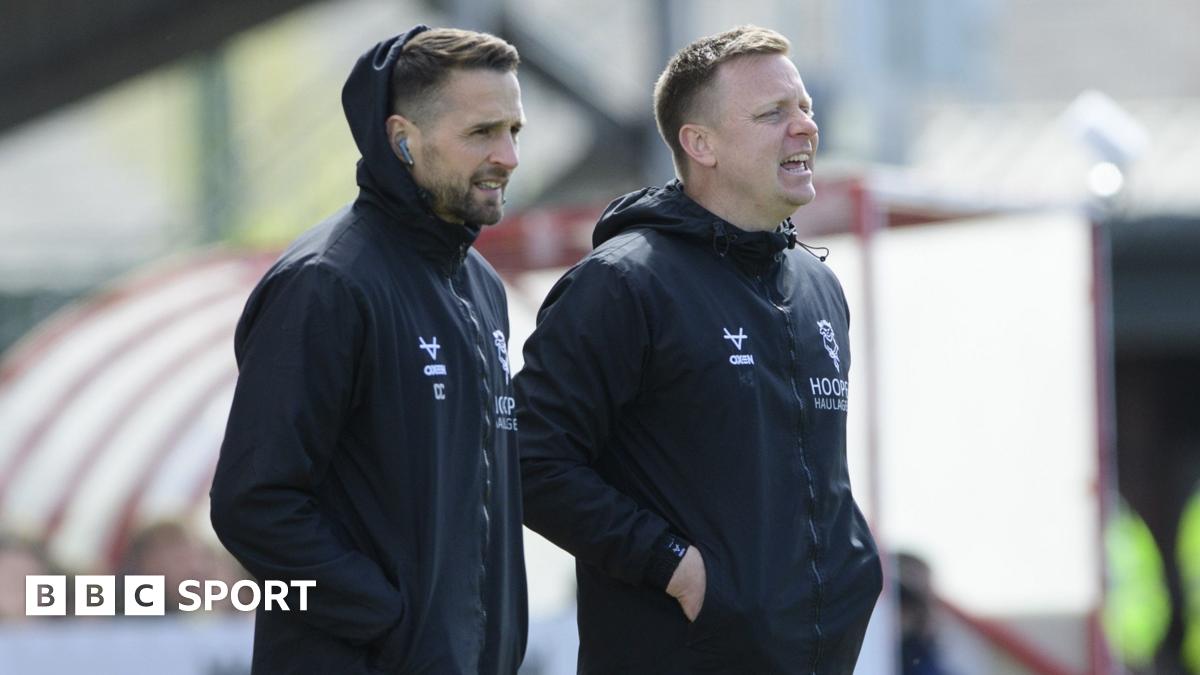
Lincoln City's joint-manager gamble is a blueprint for disaster
3 hours ago
Ella Toone is the most realistic window into the modern footballer's life
3 hours ago
Arsenal's Champions League final gamble rests on Timber's fitness
3 hours ago
Arsenal’s Champions League final run is pure Arteta obsession
4 hours agoMore Analysis

Thomas Tuchel's England project looks like a total disaster
1 month, 4 weeks agoEngland vs Japan was an absolute tactical train wreck
1 month, 4 weeks ago
Thomas Tuchel's England project is hitting a performance wall
1 month, 4 weeks ago
Thomas Tuchel has a major England problem before the World Cup
1 month, 3 weeks agoThomas Tuchel just hit the panic button in the most Tuchel way possible
1 month, 4 weeks ago