The Home Tournament Crisis
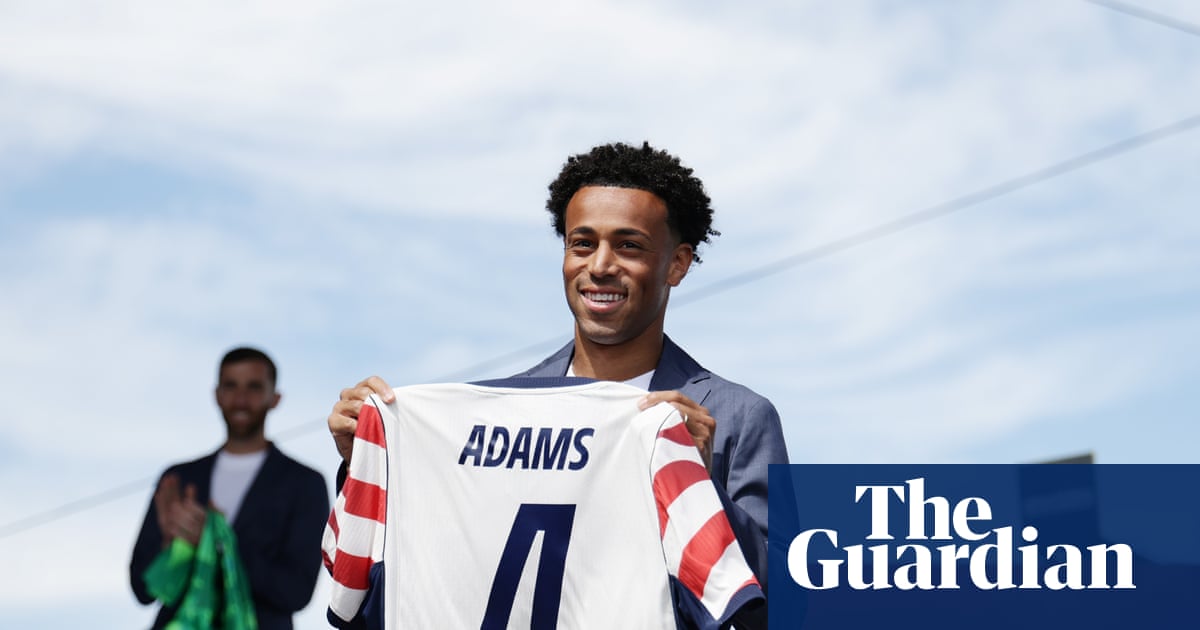
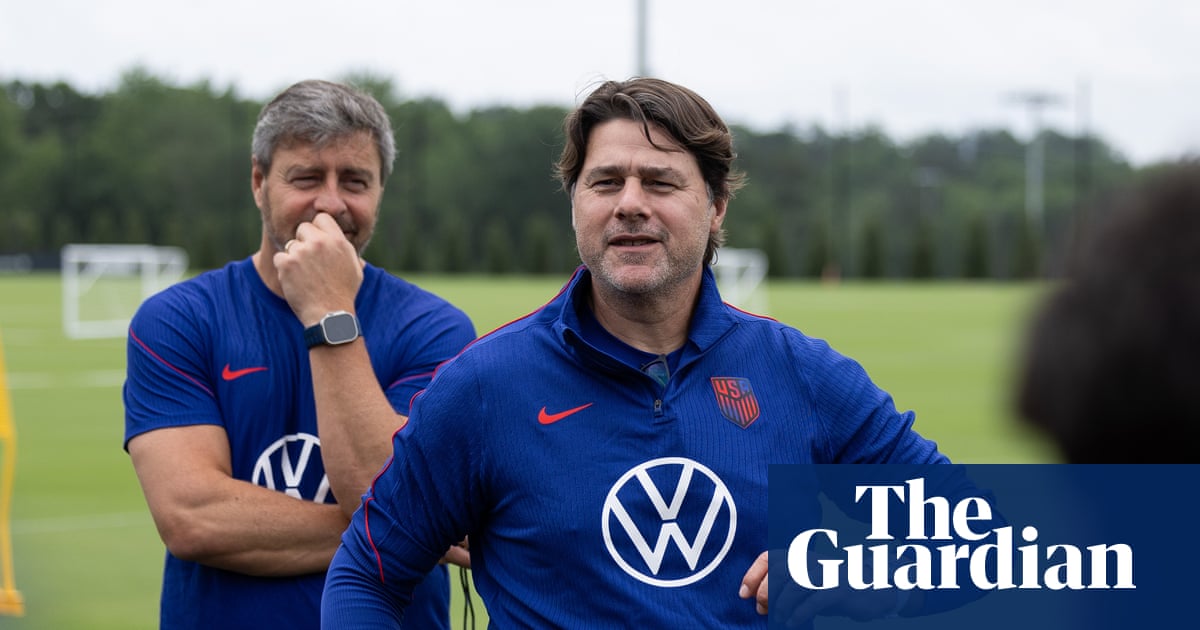
Mauricio Pochettino’s final dress rehearsal before the 2026 World Cup has been thrown into chaos. With just 45 days remaining until the tournament kicks off on North American soil, the USMNT medical staff confirmed that Tyler Adams and Diego Luna have been withdrawn from the final pre-tournament camp in Atlanta. The loss of Adams, in particular, sends a tremor through a roster that relies on his lateral coverage and vocal leadership to mask defensive deficiencies.
Adams has been fighting a series of muscular setbacks since his return to Bournemouth, and this latest flare-up prevents him from facing Belgium and Portugal this week. For Pochettino, the timing is brutal. This was the window to cement his midfield pivot. Without Adams, the USMNT loses the player who arguably carries the highest tactical value in their transition defense. It is a recurring nightmare for a player whose career has been defined as much by his ceiling as his medical chart.
The Downward Spiral for Diego Luna
Diego Luna’s exclusion is equally frustrating for a different reason. The creative spark was widely expected to lock in a supersub role during this camp. Instead, an undisclosed training ground injury keeps him sidelined, leaving Pochettino to look toward fringe options like Jack McGlynn or a late recall for veterans who were seemingly phased out. The USMNT squad depth is about to be tested in a way that home fans in Atlanta did not anticipate when tickets for these friendlies sold out in minutes.
The Ballon d’Or Race Against Time
Across the Atlantic, the narrative is dominated by the survival of the elite. Rodri, the 2024 Ballon d’Or winner, is currently the most-watched man in Spain. After suffering a devastating ACL tear in late 2024, his return to Manchester City has been managed with microscopic precision. Yet, reports from the Spanish camp suggest he is still not hitting the physical markers required for a seven-game tournament sprint. Spain manager Luis de la Fuente has repeatedly called Rodri the "heartbeat" of his side, but a heartbeat at 80% capacity might not be enough to navigate a group stage against top-tier opposition.
The tactical implications of a hampered Rodri are severe. Without his ability to recycle possession and kill counter-attacks at the source, Spain’s high defensive line becomes a liability. We saw this in the latter stages of the 2024-25 season where Manchester City’s defensive metrics plummeted in his absence. If Rodri isn't fit to start in the opener, Spain may have to pivot to a double-pivot system that stifles the creativity of Lamine Yamal and Pedri.
Pedri and the Glass Midfield
Speaking of Pedri, the Barcelona man remains on a permanent fitness tightrope. His history of hamstring issues is well-documented, and the 2025-26 season has seen him miss significant blocks of club football. While he is technically in the squad, the fear is that he is one high-intensity sprint away from a three-month layoff. Spain is currently gambling on a midfield core that is world-class on paper but fragile in practice. It is a high-stakes bet that could either lead to a second star on their jersey or a humbling early exit.
Neymar and the Al-Hilal Nightmare
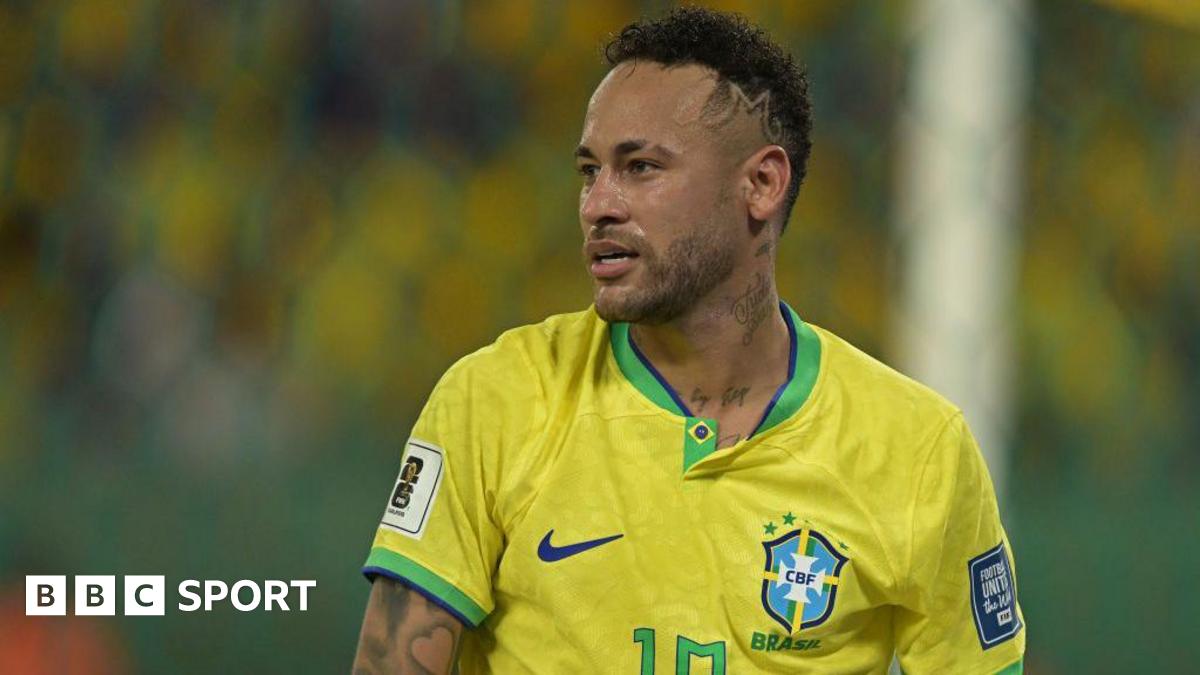
In South America, the mood is equally tense regarding the game's biggest individualist. Neymar Jr’s move to Saudi Arabia was supposed to be a victory lap, but his ACL tear in October 2023 turned into a two-year battle with his own body. At 34, the 2026 World Cup is his final opportunity to silence the critics who claim his career is an unfinished masterpiece. Brazil’s medical staff are reportedly divided on whether his knee can handle the artificial turf found in several North American venues.
Neymar has made this tournament a personal crusade. He missed the 2014 semi-final through injury and saw 2022 end in a penalty shootout heartbreak. If he fails to make the plane, the burden falls entirely on Vinicius Jr and Rodrygo. While the Real Madrid duo are the best in the world at what they do, they lack Neymar’s gravitational pull on defenders. A Brazil team without Neymar is more athletic but far more predictable in the final third.
The World Cup is a tournament of physical attrition as much as technical skill, and the expanded format is already claiming its first victims.
The 48-Team Physical Toll
We are entering a new era of international football, and the 104-match schedule is proving to be a breaking point. The transition from a grueling European club season straight into a North American summer with significant travel between three host nations is a logistical and physical gauntlet. We are seeing an unprecedented number of ACL and meniscus injuries among the top 1% of players. The intensity of the modern game, combined with a calendar that refuses to breathe, has created a situation where the World Cup might be decided by which team has the best physiotherapy department rather than the best striker.
Historically, we have seen this before. In 2002, the injury to Zinedine Zidane effectively ended France’s title defense before it started. In 2006, Wayne Rooney’s metatarsal was the only topic of conversation in England for two months. The difference in 2026 is the sheer volume of stars affected. When you lose players like Rodri, Neymar, and Tyler Adams, the quality of the product suffers. Competitors like France and England are also sweating on the fitness of Mike Maignan and Reece James, both of whom have missed over 30% of matches this season.
The Strategic Pivot
Smart managers are already adjusting. Pochettino is likely to move toward a more conservative, low-block system if Adams is confirmed out for the tournament. He cannot afford to play the aggressive, pressing style he prefers without a defensive shield of Adams' caliber. Similarly, Brazil may shift toward a 4-3-3 that emphasizes the speed of their wingers rather than the central playmaking of a half-fit Neymar. The tactical flexibility of these national teams is being forced by medical necessity, not choice.
As we approach the May deadline for final squad submissions, the anxiety in national team camps is at an all-time high. Every Champions League semi-final tackle is being viewed through the lens of June 11. For fans, it is a reminder that the stars we see on the billboards in New York and Los Angeles might not be the ones we see on the pitch. The 2026 World Cup is shaping up to be a war of survival, and the first casualties have already been identified.
Read Next
- Xavi Simons ruled out of World Cup and Spurs season with knee injury
- Spurs' season collapses as Xavi Simons injury ruins World Cup dream
- Spurs' survival hopes might have just vanished with Xavi Simons
- Jesse Lingard's surreal Brazilian adventure hits its biggest test against Neymar
- 🏆 World Cup 2026 — Full Coverage Hub
- 🇺🇸 USMNT World Cup 2026 — Team USA Coverage Hub
- ⚽ MLS 2026 Season Hub — World Cup Year Guide