The financial reality check at The Hawthorns
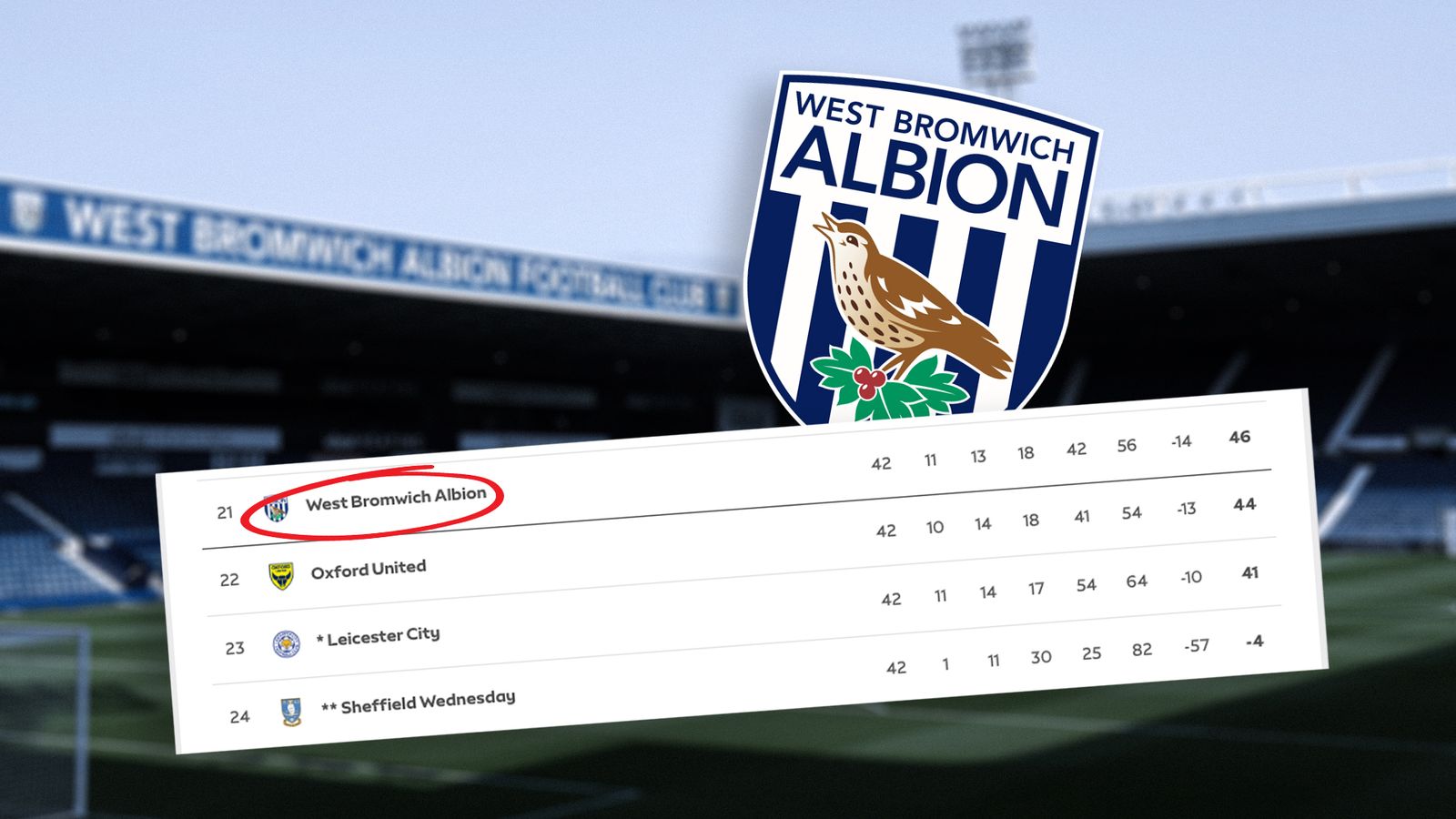
West Bromwich Albion have decided against challenging the two-point deduction handed down by the EFL. While the organization maintains a vocal disagreement with the findings behind the sanction, the board opted to absorb the punishment rather than pursue a protracted legal defense. This closure ends months of uncertainty regarding their league position.
By choosing silence over litigation, the club aims to stabilize their operations heading into the summer window. As BBC Sport reported, the internal consensus is that an appeal simply is not in the club's best interests. They are prioritizing a clean break over a costly, public fight.
The strategic cost of non-compliance
The penalty stems from breaches of financial operating standards, a recurring headache for championship clubs balancing ambition with strict spending caps. Falling short of these regulatory benchmarks triggers automatic deductions, leaving teams in a precarious position at the foot or middle of the table. For West Brom, this move is a pragmatic attempt to avoid dragging the issue into next season.
History shows that extended legal appeals rarely pay off in football disciplinary settings. Clubs that fight the EFL often end up spending significant legal capital for a minimal reduction in penalties. The decision to cut losses suggests a management team attempting to avoid the messy distraction that plagued other sides, like Reading or Wigan Athletic, in recent seasons.
Analyzing the fallout
The decision displays a lack of confidence in overturning the ruling. If the club felt they had a structural defense, they would have exercised their right to appeal. Instead, the move indicates either a fear of harsher scrutiny upon further review or a simple lack of available ground to stand on regarding the specific accounting procedures questioned by the league.
On a practical level, this allows the coaching staff and recruitment team to finalize their budgets. Uncertainty about points totals makes it difficult to pitch the club to prospective talent who prioritize specific league standing or potential promotion campaigns. With the 2.0 point deduction now serving as the final word, the path forward is at least clear, if painful.
Broader implications for Championship clubs
This situation follows a wider trend of the EFL enforcing financial guardrails with aggressive consistency. As Sky Sports noted, West Brom's stance of 'disagreeing' while refusing to challenge is becoming a common corporate strategy. It allows the leadership to save face with supporters while satisfying the regulatory requirements to move beyond the incident. It keeps the fans from feeling betrayed by the board, even as the club concedes to the league’s methodology.
West Brom is fortunate that this penalty did not relegate them, but it highlights the razor-thin margin between competitive viability and administrative failure. Their focus now shifts to offloading surplus wage burdens to ensure the 2026/2027 season starts under a cleaner balance sheet. The damage to their standing is done, and the board has clearly decided that further fighting will generate more heat than light.
The club claims they want to proceed, but 'moving on' is easier said than done without significant structural changes to how they manage cash flow. If they repeat these accounting errors, the league is unlikely to show restraint a second time. Pragmatism is a fine strategy for today, but it does not fix the underlying issues that led to the breach in the first place.
Read Next
- Southampton's Wembley trip is clouded by training ground shadows
- Southampton are playing the villain role perfectly heading into Wembley
- Southampton are making themselves the villains of the Championship
- Arsenal are chasing matchday revenue while the squad falls behind
- 🏟 EFL Championship 2025-26 — Promotion Race & Play-Off Final Hub