Measuring the margin for error
West Bromwich Albion head into the final stages of a testing campaign facing a threat that goes beyond the league table. While Carlos Corberán’s side fights to maintain its playoff positioning, internal concerns have shifted toward the boardroom. Recent reports suggest the club faces potential scrutiny from the EFL regarding profit and sustainability regulations.
Defining the compliance threshold
The core of this issue centers on the precise application of spending limits. West Brom officials have publicly stated they have fully complied with these financial parameters. In the Championship, the Profit and Sustainability Rules act as the primary constraint on squad depth and wage growth, limiting cumulative losses to 39 million pounds over a three-year rolling period.
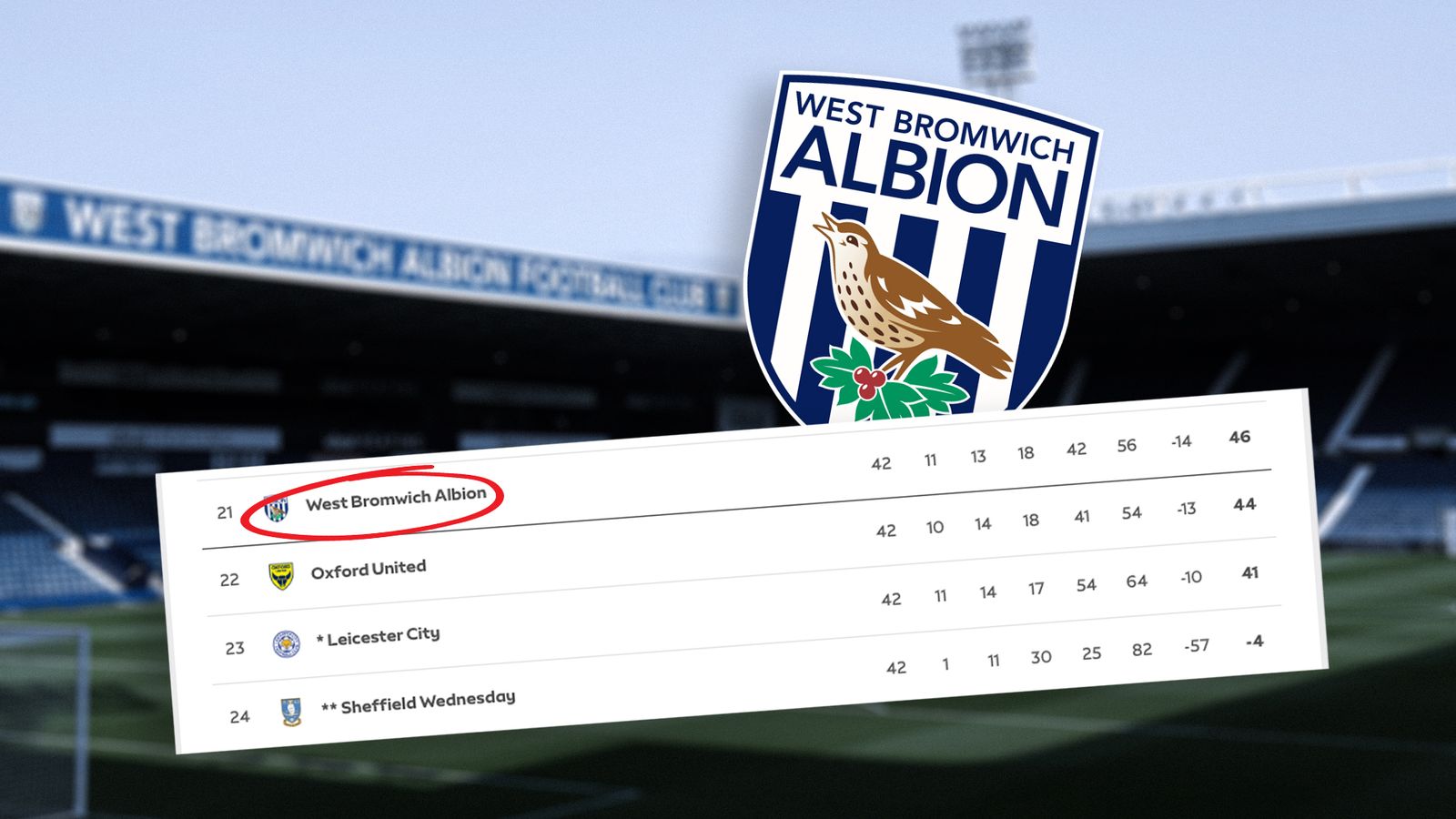
For a club that has oscillated between the Premier League and the second tier, navigating these volatile revenue streams is difficult. Clubs relegated from the top flight must adjust their cost base rapidly; failing to do so leads to the exact oversight currently hovering over the Hawthorns. If the club failed to meet these requirements, they could face a points deduction, a penalty that has already reshaped the standings for other Championship sides this season.
The reality of squad economics
West Brom maintains that their current operational strategy meets the required standards. Yet, the pressure is real. Historically, 60 to 70 percent of revenue in this division is often allocated to player wages alone. A club cannot simply outspend its competition to secure a win without risking these strict administrative sanctions. The management structure is now attempting to balance the desire for squad improvement with the rigid, non-negotiable reality of financial sustainability.
This investigation persists as a distraction while the team prepares for the final run-in. A points deduction could effectively void months of tactical progress made since last August. Fans should note that the club's previous statements regarding their financial health suggest a confident stance, but legal compliance metrics often differ from internal accounting interpretations. If the EFL finds even a minor discrepancy, the mitigation window has long since closed.
Operational risks in the Championship
The risk here is not just sporting, but systemic. When teams rely on parachute payments or loans to bridge the gap, they are essentially betting their future on immediate promotion. If they fail to secure that spot, the regulatory hammer drops. We have seen this cycle repeat across the EFL for years, where mid-to-high level clubs bet everything on a single season of elite performance.
Ultimately, a points deduction would be a major management failure rather than a tactical one. Transparency is the only defense during these inquiries. We are waiting to see if these reassurances hold under the audit of the league officials. The coming weeks will reveal if the club’s ledger matches the league’s strict accounting requirements.
Read Next
- John Terry joins the growing list of celebrity football club owners
- Eddie Howe is the most disrespected manager in the Premier League
- England Fans Are Drunk on Hope, Italy Gets a Lifeline: Welcome to World Cup 2026 Chaos
- Tottenham are spiraling and tomorrow night looks bleak
- 🏟 EFL Championship 2025-26 — Promotion Race & Play-Off Final Hub