The Spreadsheet Nightmare at The Hawthorns
Here we go again. Just when you thought the biggest drama at West Brom was whether Carlos Corberán would finally get his hair to stay in place during a ninety-minute touchline tantrum, the accountants have arrived to ruin the party. It is April 15, 2026, and the news cycle is doing that thing where it makes us all care more about amortisation schedules than actual overlapping full-backs.
The latest update from Sky Sports has sent a cold shiver through the Black Country. We are talking about a potential Profit and Sustainability Rules (PSR) breach that could redefine the entire relegation scrap. For a club that has spent the last few years trying to exorcise the ghost of Guochuan Lai’s ownership, this feels like a particularly cruel joke played by the football gods.
Let’s be honest: being a West Brom fan is basically a full-time job in forensic accounting at this point. You don’t go to the pub to talk about the 4-3-3; you go to debate the interest rates on MSD Holdings loans and whether a training ground sale can be squeezed into the current financial year. It’s exhausting, it’s boring, and it’s exactly why the modern game is starting to feel like a high-stakes tax audit with better kits.
The Ghost of Owners Past
To understand how we got here, you have to look back at the absolute wreckage left behind by the previous regime. Guochuan Lai’s tenure was essentially a masterclass in how to strip a club of its soul while somehow forgetting to pay back your own loans. The guy treated the club’s bank account like a personal piggy bank that he’d lost the key to, and the fallout from those years is still radioactive in 2026.
When Shilen Patel rode into town in early 2024, the vibes were immaculate. It was like the end of a disaster movie where the sun finally comes out and everyone starts hugging. But PSR doesn’t care about vibes. It doesn’t care that the new guy is actually competent and seemingly cares about the community. It only cares about the rolling three-year window of financial misery that includes the tail end of the Lai era.
The reality is that West Brom have been walking a tightrope since the day they fell out of the Premier League. Parachute payments are a hell of a drug, but the withdrawal symptoms are brutal. Once those payments started drying up, the club was forced to pivot to a 'sell to survive' model that would make a car boot sale look organized. If the reports are true, they might have missed the landing on that tightrope by a significant margin.
The Numbers That Will Break Your Heart
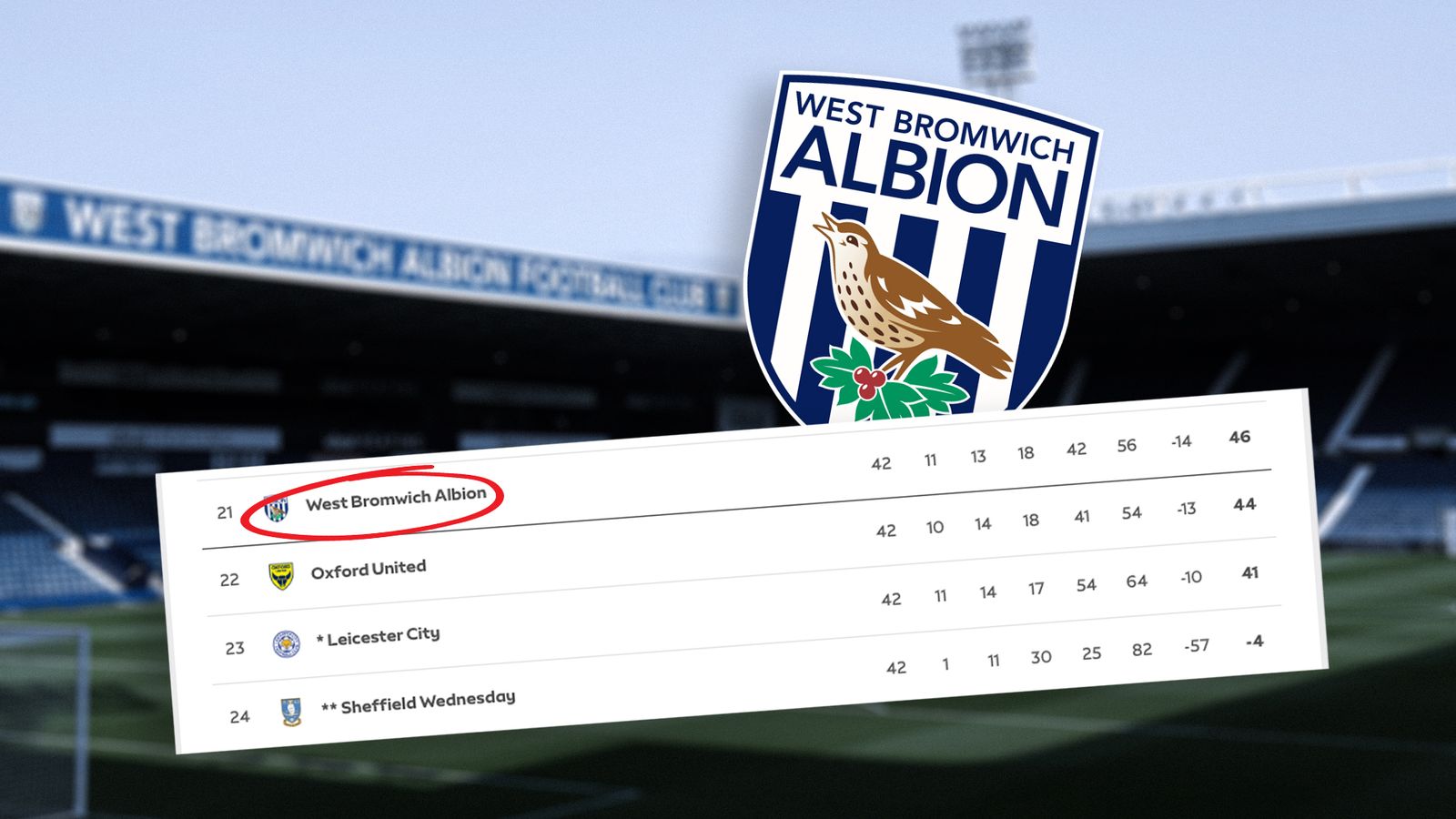
We are hearing whispers of a potential deduction that could range anywhere from four to eight points. In a relegation battle this tight, that’s not just a slap on the wrist; that’s a guided missile aimed directly at the club’s status in the top flight. If you take six points away from this squad right now, they go from 'sweating it out' to 'ordering the Championship season review' in the blink of an eye.
The EFL and the Premier League have clearly decided that 2026 is the year of the iron fist. They watched the Everton and Nottingham Forest sagas and realized that fans actually love a good courtroom drama. Or maybe they just realized that docking points is the only way to pretend they have any control over the runaway train that is football finance. Either way, West Brom are the latest target in a regulatory landscape that feels increasingly like a lottery.
Why This Relegation Battle Just Got Toxic
Imagine being a player in that locker room right now. You’ve spent months grinding out results, surviving the winter slog, and putting yourself in a position to stay up, only to find out that some guy in a suit in London decided you’re actually bottom of the table because of a paperwork error from 2024. It’s demoralizing, it’s unfair, and it turns the final weeks of the season into a psychological experiment.
The teams around them—the Sheffield Uniteds and the Burnleys of the world—must be licking their chops. They don’t have to win games; they just have to wait for the independent commission to do the dirty work for them. It’s a pathetic way to decide who stays up, but this is the world we live in. We’ve replaced the last-minute winner with the mid-week ruling, and everyone is worse off for it.
Let’s call a spade a spade: West Brom’s recruitment over the last two windows has been, at best, 'speculative' and, at worst, 'downright negligent' if they knew these numbers were looming. You can’t go out and sign marquee names on high wages when your balance sheet looks like a crime scene. There is a specific kind of arrogance in thinking you can outrun the regulators while still spending like you’ve got a sovereign wealth fund behind you.
The Corberán Factor
Carlos Corberán is a tactical genius, but he’s not a miracle worker. He can coach a high press until his lungs give out, but he can’t coach a club out of a financial breach. His frustration in recent post-match interviews has been obvious. When he says he’s 'focused on the football,' what he actually means is 'I am screaming into a pillow every night because my career is being sabotaged by a spreadsheet.'
If West Brom go down because of this, do you really think he stays? Absolutely not. He’ll be at a club with a functional accounting department before the first whistle of the 2026-27 season. The fans know it, the board knows it, and the players definitely know it. This isn’t just about relegation; it’s about the potential collapse of the entire project that Patel has been trying to build.
The Verdict: A System That Hates Fans
The worst part of this entire PSR mess is that the fans are the ones who pay the price. The owners who messed up are usually long gone or have enough money to not care. The executives who signed the contracts will find other jobs. But the fans at The Hawthorns are the ones who will be traveling to Plymouth on a Tuesday night in November because the club couldn’t balance the books two years ago.
It’s time to admit that PSR is a broken system. It’s designed to keep the big clubs big and the 'aspiring' clubs in a state of constant fear. West Brom aren’t innocent—they broke the rules—but the punishment rarely fits the crime in a way that feels just. We are witnessing the slow death of the 'on-field' result, replaced by a permanent state of litigation that makes the actual football feel secondary.
The Premier League's financial rules are essentially a velvet rope that only moves for the clubs who already have the money to pay the fines.
So, here we are. April 15. The sun is out, the grass is green, and we’re all waiting for a PDF to arrive in an inbox that tells us whether the last thirty-two games actually mattered. It’s a miserable way to enjoy a sport, but then again, nobody ever said being a football fan was supposed to be easy. Just don’t expect any sympathy from the rest of the league; they’re too busy checking their own balance sheets to care about yours.
Read Next
- Arne Slot's Liverpool: A Summer Defined by Sales, Not Splurge
- Bayern's English Shopping Spree: Who Kompany Will Actually Sign
- Konate's Fitness and Mentality Problem Puts Liverpool in a Bind
- Man Utd's New Reality: Scouting Bournemouth Is The Smartest Move In Years
- 🏟 EFL Championship 2025-26 — Promotion Race & Play-Off Final Hub