The Sullivan investigation and a club in limbo
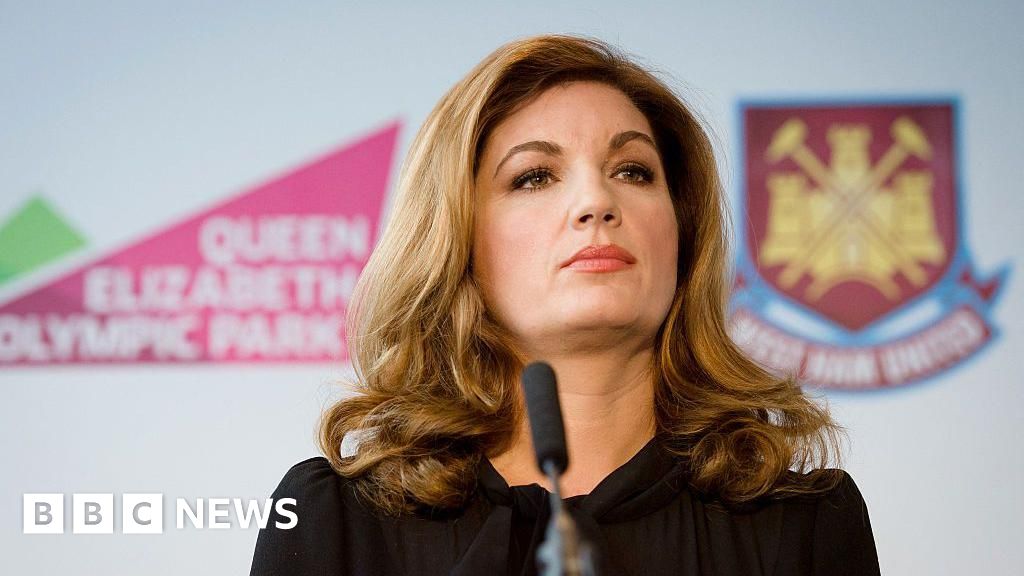
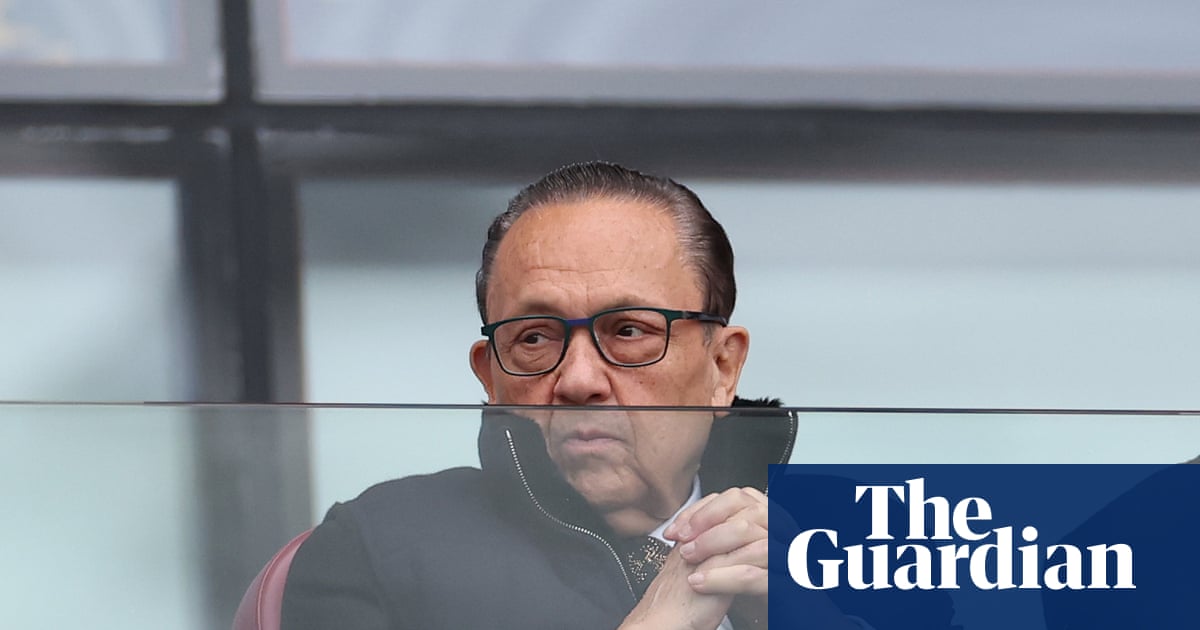
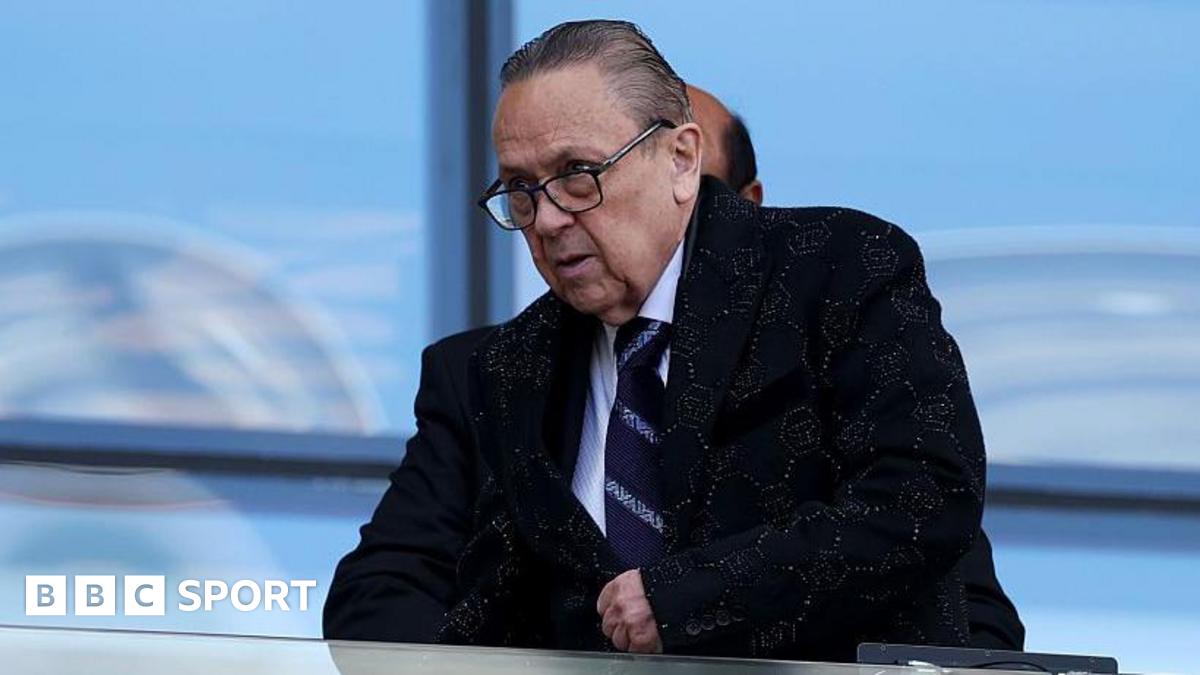
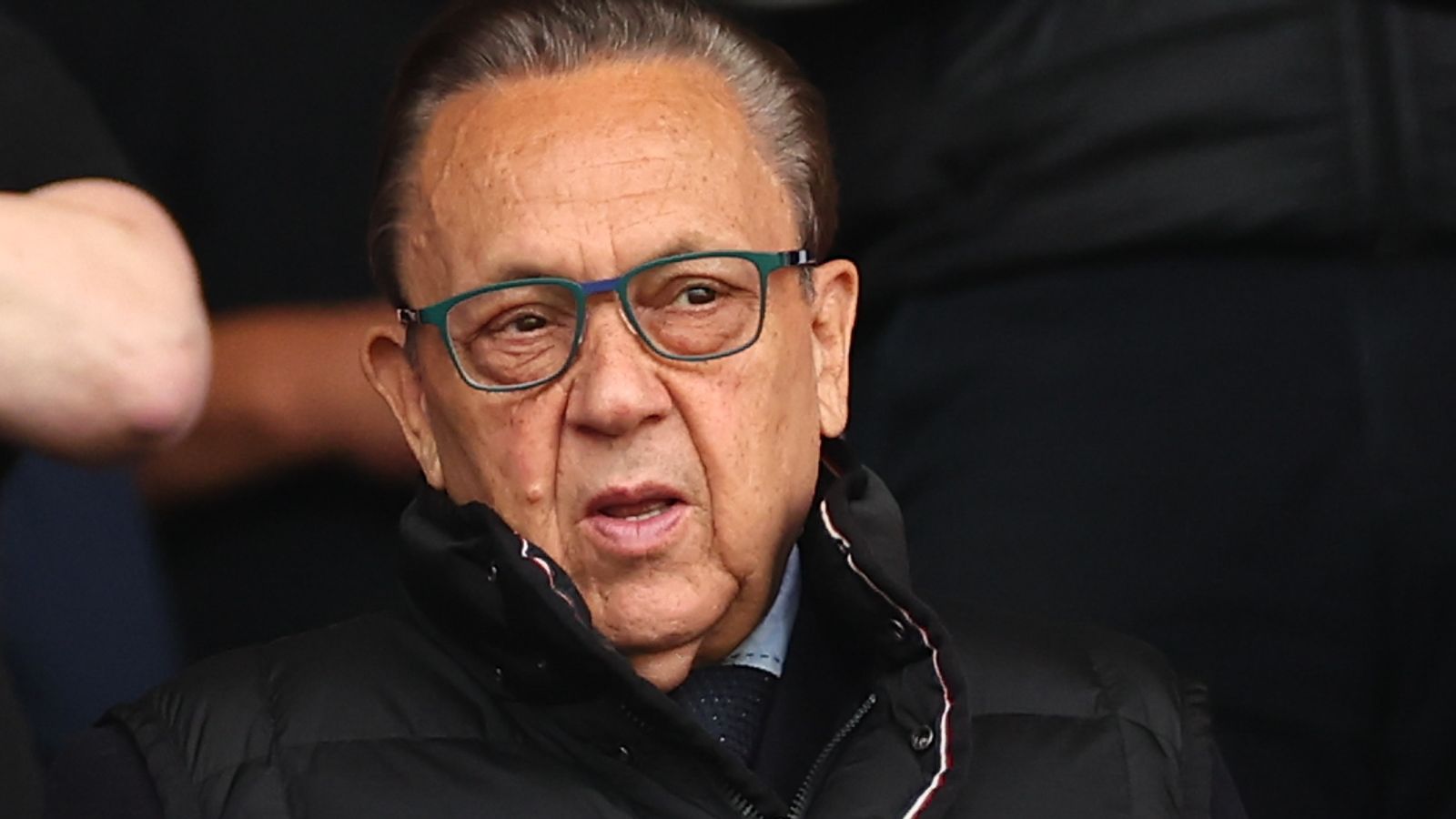
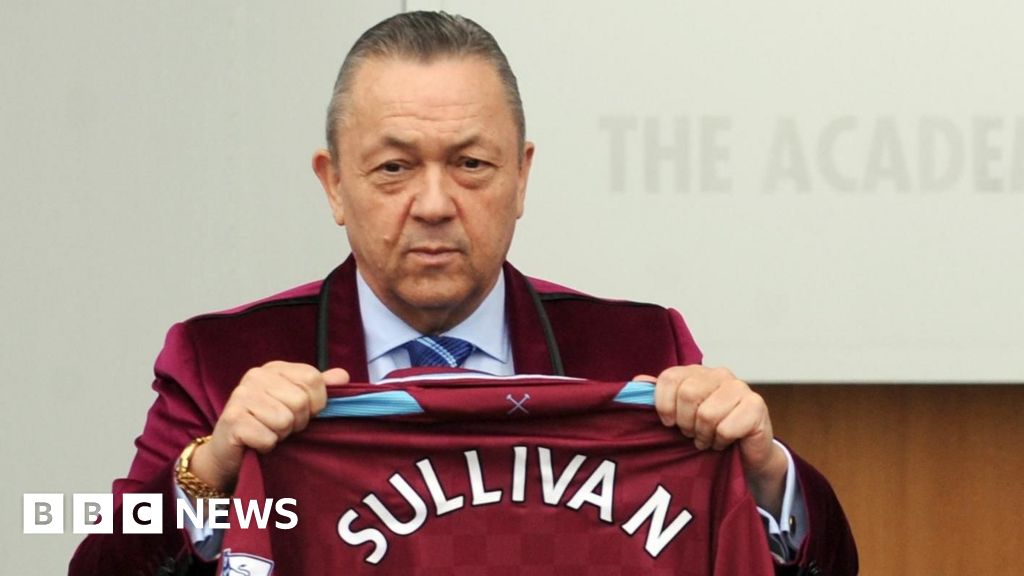
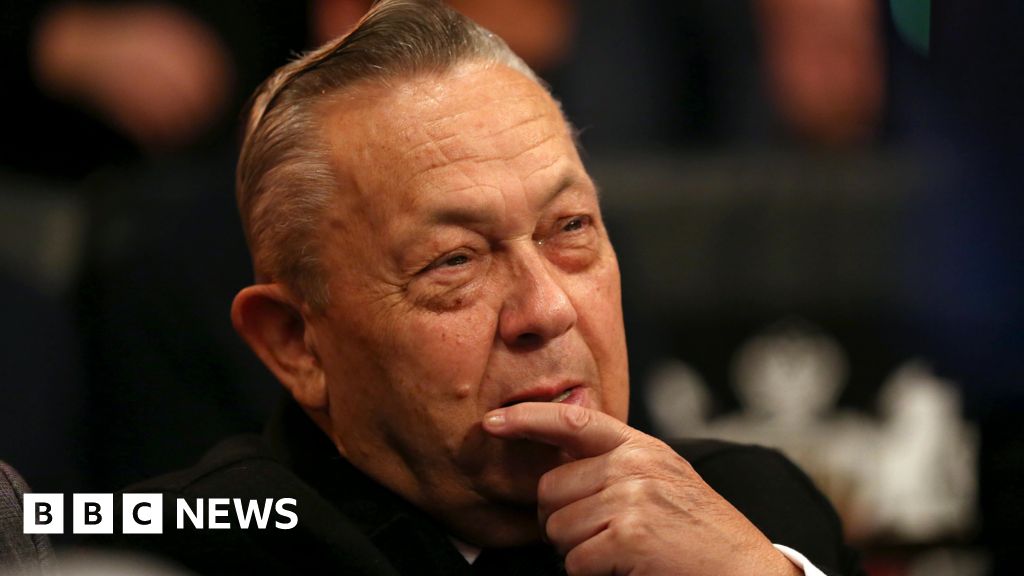
With the football world preparing for the 2026 FIFA World Cup, the air around the London Stadium has grown heavy. While fans should be focused on the upcoming opener, the latest developments involving West Ham co-owner David Sullivan have shifted the attention toward the boardroom. As the BBC recently detailed, Essex Police have received fresh information regarding the co-owner following a joint investigation by BBC Panorama and The Times.
This is not the standard administrative headache usually associated with a pre-tournament quiet period. When external law enforcement scrutiny intersects with ownership stability, the ripple effects on recruitment and tactical direction are rarely contained. The timing—just one day before the global showcase begins on June 11—could not be more disruptive for a club already fighting for identity.
Tactical friction and the search for control
Beyond the legal inquiries, the performance data from the final stretch of the league reveals a squad struggling to reconcile high-possession ambitions with a fragile transition defense. West Ham’s mid-season metrics showed an average xGA of 1.42 per game, often failing to account for opponents hitting the space behind attacking full-backs. The lack of defensive cover in central areas suggests the tactical setup is overly reliant on individual highlights rather than structural integrity.
A critical observation from the final weeks: the team’s pass completion rate in the defensive third dipped to 78% during the final five matches. This spike in unforced turnovers under pressure points to a lack of calmness when playing out from the back. These are not merely coaching errors; they are symptoms of a group that has lost its internal compass during periods of organizational instability.
What to watch as the league stays dark
The next month of inactivity is usually a grace period for technical directors to evaluate internal movement. However, the current police involvement makes it highly unlikely that any major overhaul will occur until clarity arrives from Essex. Any attempt to refresh the personnel while under this scrutiny faces enormous scrutiny from regulators and supporters alike.
The silence emanating from Portman Road is deafening.
We saw at other clubs—most notably during the Ipswich Town transition—that when the general in the dugout has no clarity from the top, the tactical identity evaporates. My assessment of the current situation is grim. Until the ownership cloud dissipates, expect stagnation. The squad will likely remain in a holding pattern, with tactical drills focusing on damage limitation rather than progressive play.
Final analysis
My prediction for the immediate future rests on this: West Ham will remain defensively porous until the recruitment strategy shifts away from marquee names toward defensive discipline. The club requires a complete tactical reset, but that requires leadership that is currently absent. Expect a difficult start once play resumes after the final whistle of the tournament in July. The uncertainty in the boardroom will manifest as 0.82 goals per match or fewer in their first three games back, marking a clear regression in efficiency.