
West Ham's boardroom crisis reveals the rot at the heart of the club

The governance collapse at London Stadium
The sudden departure of David Sullivan from the West Ham chairmanship marks the end of a long, often fractious tenure. His resignation, occurring simultaneously with news of a joint investigation by BBC Panorama and The Times into historic allegations, shifts the narrative from the pitch to the boardroom. For a fanbase that has navigated years of protests and frustration regarding the move to London Stadium, this transition brings very little clarity.
Sullivan has publicly addressed the inquiry by denying wrongdoing, yet the optics of this exit are problematic. A club chairman stepping down exactly as an investigative unit begins a report implies that the coming weeks will involve little football-based discussion. This is a significant distraction for a club supposed to be planning a summer rebuild.
The shadow over recruitment and infrastructure
In the modern game, the relationship between ownership stability and transfer market efficacy is unbreakable. When the highest level of leadership faces internal probes regarding historic actions, the natural consequence is administrative paralysis. Targets identified by the scouting department often demand immediate action from the chair to secure the final financial sign-off for release clauses or wage structures.
Reports suggest that the joint BBC Panorama and The Times investigation will probe deep into historical processes that the public knows little about. If the club leadership is focused entirely on managing this media onslaught, the marginal gains required in the Premier League will evaporate. A chairman’s primary responsibility is providing the environment for success. When the chair becomes the story, the environment is compromised.
A pattern of institutional instability
The history of West Ham over the last decade is one of persistent friction between the board and the supporters. Following the protests during the early years at the current ground, the recent European campaigns provided a temporary reprieve. However, those achievements masks deeper issues regarding the long-term direction of the club's governance.
The club has consistently attempted to use on-field success to paper over boardroom cracks. When the results dip, the lack of a coherent plan becomes evident. This current crisis is simply the latest, albeit most severe, instance of a leadership structure that appears reactive rather than proactive. By allowing these historic allegations to reach this point of media saturation, the executive team has invited scrutiny that will stall progress across all departments.
The fallout for the incoming season
With the World Cup starting on June 11, the global football appetite is focused on the tournament. West Ham must now navigate the start of this international window without a permanent figurehead in the chair's office. The reality of professional sports is that investors value peace and stability above all.
Any reputable manager or potential signing is currently looking at this situation with trepidation. The threat of legal or regulatory fallout can lead to a credit freeze, directly impacting the club's ability to operate in the market. West Ham enters this period with an advantage of 0 points in the new season’s race for stability. Without a clear path forward, they risk drifting into the irrelevance of a mid-table struggle while the legal machinery continues to churn behind closed doors.
If the history of comparable investigations in football is any guide, this will not resolve quickly. A statement denying wrongdoing is merely the first line of an opening statement. The focus now turns to how the remaining board members handle the daily operations when the spotlight of national investigative journalism is trained directly on their history.
adidas MLS League Soccer Ball
Match-ball looks with a friendly training-ball price tag.
Frequently Asked Questions
Why did David Sullivan resign as West Ham chair?
How will the boardroom crisis affect West Ham's summer transfers?
What is the focus of the joint investigation into West Ham?
How does club instability impact Premier League performance?
What is the historical context of West Ham's governance issues?
More Coverage
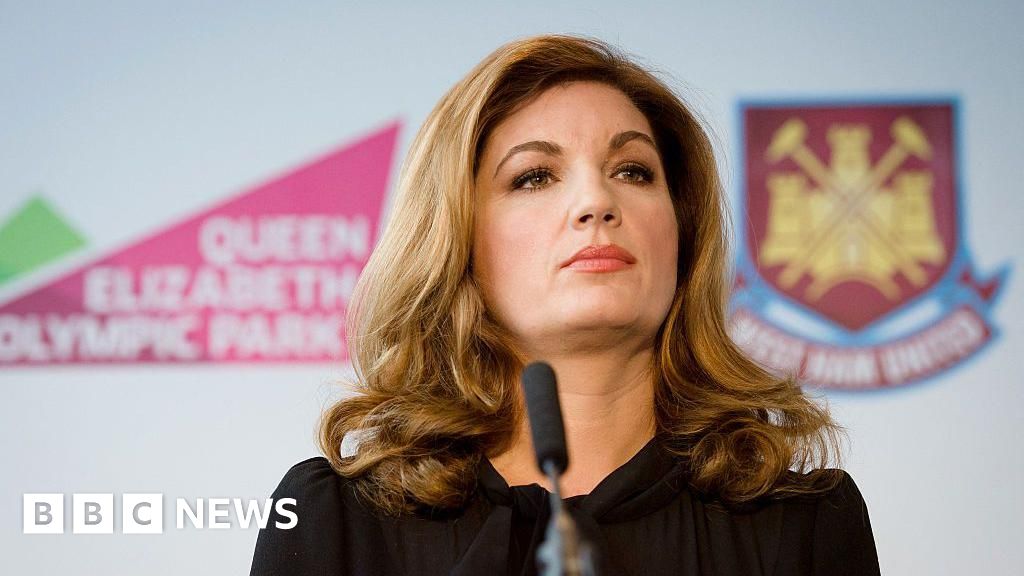
Top 10: The Sullivan Files
3 hours ago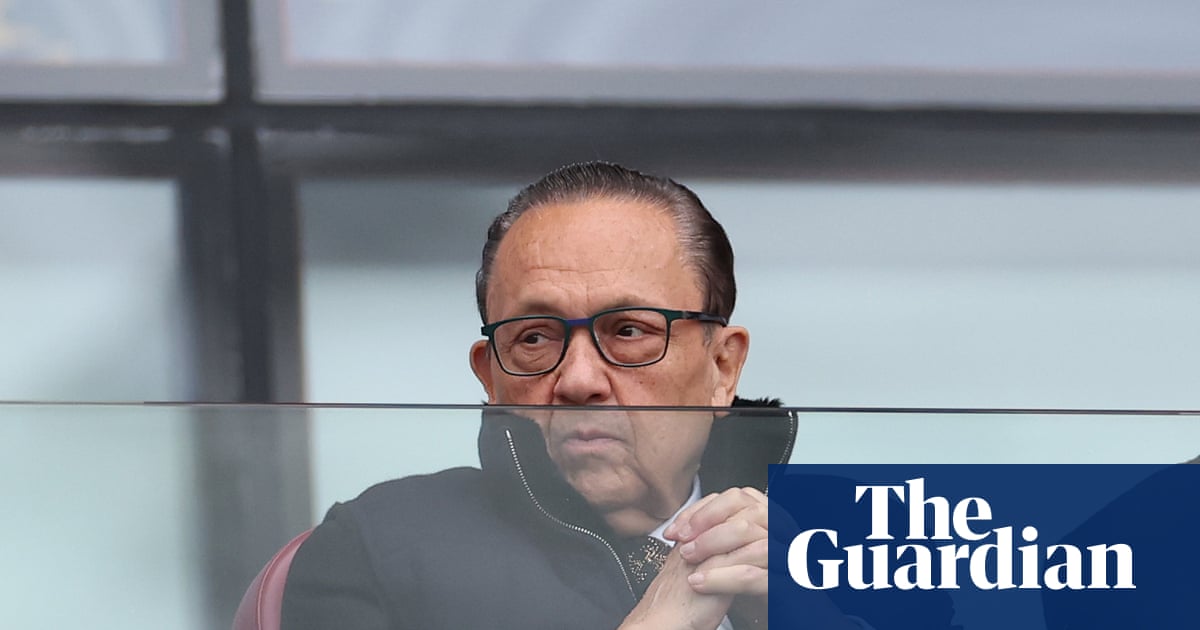
West Ham inquiry faces conflict of interest hurdles over regulator ties
3 hours ago
Why Manchester United should target Bosnian defensive talent this summer
3 hours ago
Mateus Fernandes snubbing Arsenal for United is absolute comedy
4 hours ago
Xabi Alonso is already shaking up the Chelsea squad
7 hours ago
Tottenham’s strange pivot on Vuskovic exposes a confused recruitment strategy
7 hours agoMore Analysis

David Sullivan's exit creates a power vacuum at West Ham
4 days, 9 hours ago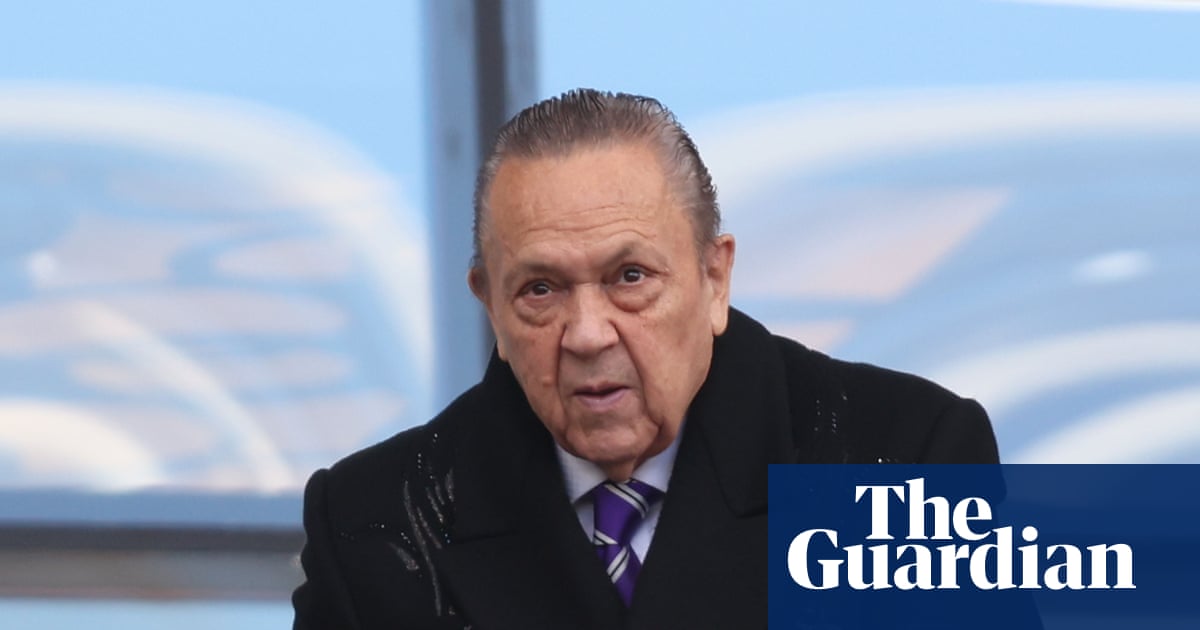
The boardroom implosion at West Ham overshadows the transfer window
6 days, 9 hours ago
West Ham leadership vacuum threatens summer transfer strategy
6 days, 12 hours ago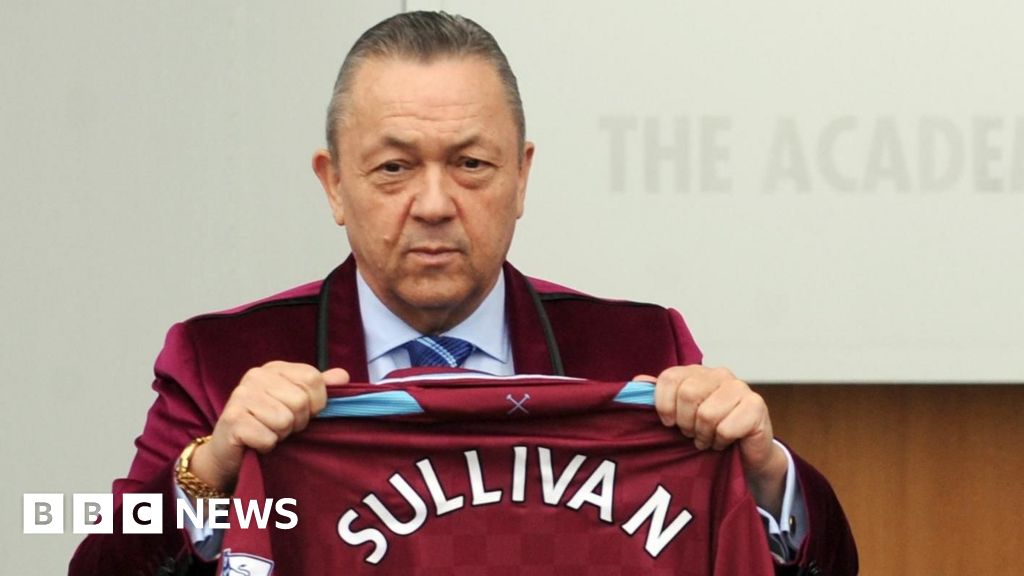
West Ham is rotting from the boardroom down
3 days, 5 hours ago
West Ham fans are in total meltdown after the latest Sullivan allegations
4 days, 5 hours ago