The illusion of bad luck
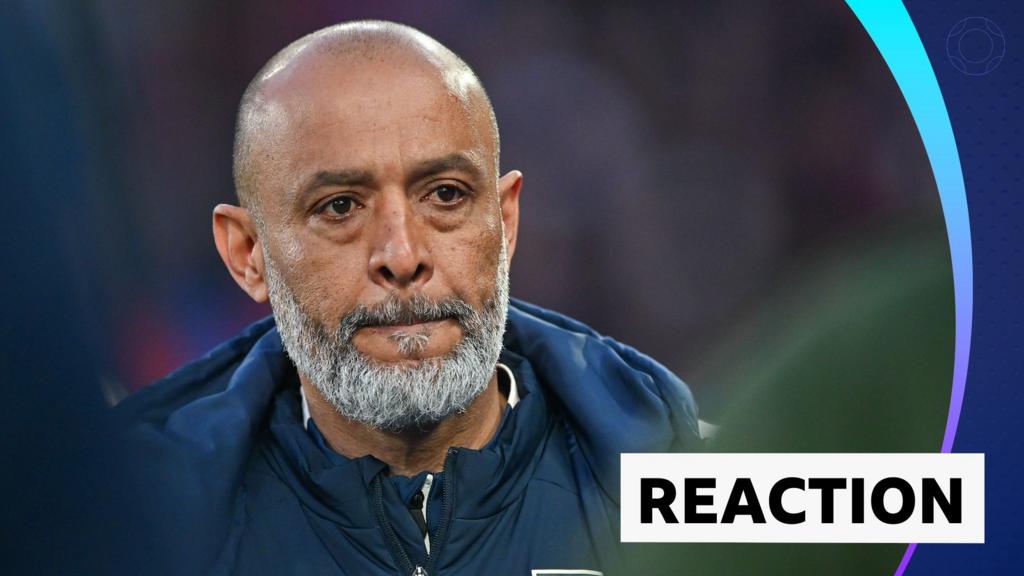
West Ham are going down. The post-match narrative following their 3-0 defeat to Brentford is already forming around fine margins and unfortunate bounces. Nuno Espírito Santo will inevitably point to the woodwork, which his team rattled four times over the course of a miserable afternoon. He will point to Konstantinos Mavropanos having a tight equaliser ruled out for offside. He will mention the penalty.
It is all a distraction. Good teams create their own luck. Structurally competent teams do not need to rely on it. What happened at the Gtech Community Stadium was not a freak occurrence or a bad day at the office. It was the mathematical conclusion of a team playing without a coherent defensive shape or an attacking plan beyond individual variance.
As the BBC rightly highlighted, Tottenham are the biggest beneficiaries of this collapse. Spurs have been handed a lifeline in the survival fight. The underlying structural differences between the two sides suggest they will take it. West Ham are currently functioning as a loose collection of isolated units. They are incapable of defending transitions and heavily dependent on low-probability finishes.
You cannot survive a Premier League relegation battle when your central defensive pairing is actively self-destructing. The opener set a grim tone for the rest of the match. Mavropanos bundled the ball into his own net under pressure. He then had an equaliser chalked off, before defensive panic allowed Thiago to calmly convert a penalty to double the deficit. It was a masterclass in self-sabotage.
Nuno's broken block
When Nuno arrived in east London, the implicit promise was defensive solidity. Fans expected a manager known for a pragmatic low block, narrow distances between the midfield and defensive lines, and aggressive counter-attacks. We are seeing absolutely none of that in practice.
Against Brentford, the vertical gap between West Ham's midfield double pivot and their centre-backs was consistently enormous. Thomas Frank clearly identified this flaw in his pre-match preparation. Brentford did not even bother with intricate build-up play through the first phase. They bypassed the press entirely. They dropped lofted passes into the half-spaces where West Ham's central midfielders were repeatedly caught ball-watching.
Let us look closely at the sequence leading up to the Mavropanos own goal. Yes, there were complaints about a potential foul in the build-up. Perhaps on another day VAR intervenes. But the structural failure happened five seconds earlier. The midfield line was completely bypassed by a single vertical pass. Mavropanos was left totally isolated, backpedalling awkwardly, with his hips facing his own goal. That is a recipe for disaster in any division.
A functional defensive block requires synchronized, collective movement. When the ball moves wide, the entire unit must shift across to compress the space. West Ham's back four are currently operating as individuals reacting to danger, rather than a unit preventing it. This lack of cohesion is exactly why they are conceding high-quality chances at an alarming rate.
The offensive void
On paper, hitting the post multiple times looks like an attacking masterclass ruined by poor finishing. Valentín Castellanos hit the woodwork twice himself. Look at the context of those shots, though.
These were not high-percentage chances created through deliberate attacking patterns. They were desperate efforts, often struck from difficult angles or outside the penalty area. West Ham are not breaking teams down. They are shuffling the ball out to the flanks and hoping Jarrod Bowen produces a moment of individual brilliance to bail them out. Bowen admitted after the match that the defeat will hurt. The tactical setup is hurting him more than anyone else on the pitch.
The post-match analysis will naturally focus on what could have been. The Guardian's match report perfectly captured the hollow nature of West Ham's performance:
Compliments mean little to West Ham at this stage of the season. They hit the woodwork three times, had a goal ruled out for a tight offside and contributed to an entertaining game against strong opposition but none of that mattered when full time arrived.
Knowing the problem and fixing it are two entirely different disciplines. The attacking patterns are painfully predictable. Overload one side, switch the play slowly, and hit an early cross against a set defence. Premier League opponents map this out on Tuesday afternoons. It simply is not enough to secure safety.
Lessons from the Championship
The irony of Saturday afternoon was hard to ignore. While West Ham were busy imploding in west London, Ipswich Town officially sealed their promotion to the Premier League on the final day of the Championship season. Newcastle also put an end to their dismal run with a 3-1 victory over Brighton, featuring an opening goal from Will Osula.
Ipswich's success is built on everything West Ham currently lack. They have a clear tactical identity, a synchronized pressing trigger, and attacking patterns that do not rely on individual miracles. West Ham offered a grim preview of what happens when a club abandons its tactical principles. The gap between a well-coached Championship side and a dysfunctional Premier League side has never been smaller. West Ham look ready to swap places with them.
Why Tottenham will survive
The relegation battle is now a straight shootout between two London clubs. West Ham have effectively blown the hinges off the door and rolled out a red carpet for Spurs. Tottenham are heavily flawed, but they retain a distinct tactical identity. When they press, they press as a collective unit. They commit bodies forward and overload the half-spaces.
Spurs leave themselves vulnerable in defensive transition, but they compensate by generating a high volume of attacking sequences. West Ham are trying to play pragmatically without actually being solid at the back. It is the absolute worst of both worlds. You cannot play a low-block transition game if you leak goals from simple vertical passes and fail to commit runners on the break.
The underlying metrics over the last month paint a stark picture. Spurs are underperforming their expected goals but are consistently generating high-quality looks. West Ham are generating nothing but long-range speculative efforts and set-piece chaos. That variance eventually catches up with you.
The tactical fixes that will not happen
To survive, West Ham need a radical, immediate shift in their shape. Here is what a competent tactical adjustment would look like ahead of their final fixtures:
- Drop the defensive line five yards deeper to protect Mavropanos from balls over the top.
- Condense the midfield pivot to force opposition attacks exclusively into wide areas.
- Instruct Castellanos to stay central and pin the centre-backs rather than drifting into the channels.
- Commit the full-backs forward much earlier in the transition phase to support isolated forwards.
Will Nuno actually implement these changes? The evidence of the past three months suggests no. He remains wedded to a passive mid-block that his current personnel simply cannot execute. They do not apply enough pressure on the ball to disrupt the opposition's build-up, but they sit too high to genuinely protect their own penalty area.
The final verdict
Football is ultimately a game of probability, but some outcomes are written deep into the structural DNA of a team. West Ham's defeat to Brentford was not just a loss. It was an autopsy of their entire season. They were out-thought, out-worked, and out-positioned from the first whistle to the last.
Thiago's penalty was merely the punctuation mark on a miserable afternoon. The real, fatal damage was done in the vast, empty spaces between West Ham's midfield and defensive lines. The gap to safety now looks insurmountable when you consider just how easy it is to create high-quality chances against them.
Tottenham have the offensive firepower and tactical coherence to outscore their mistakes. West Ham do not. The mathematics might suggest there is still a slim chance of survival. The tactics on the pitch say it is already over. The planning for next season needs to start now. West Ham will be playing Championship football.