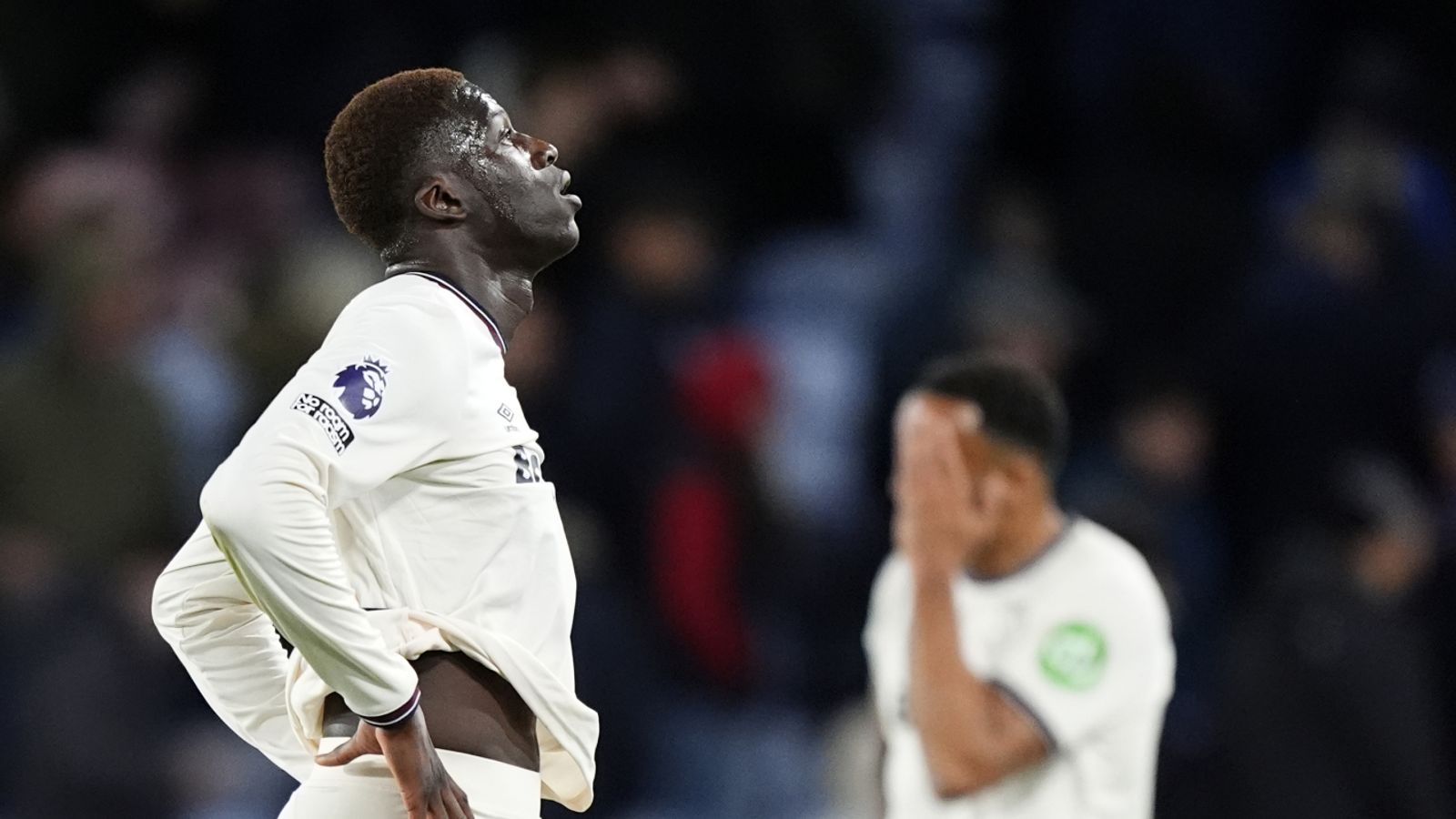
The anxiety of the bottom half
The Premier League’s basement has rarely felt this claustrophobic. With Wolverhampton Wanderers officially dropping through the trapdoor following their recent form, the focus shifts to the sides clinging to their top-flight status by their fingernails. West Ham United are currently trapped in the crosshairs of this fight to the finish.
David Moyes has spent the final stretch of the season shuffling his deck, but the underlying numbers remain concerning. In their recent stalemate against Crystal Palace, the Hammers failed to manufacture the necessary creativity to punish opponents who were effectively playing for nothing. Watching the highlights from that 0-0 draw, the lack of penetration in the final third was glaring. Possession without purpose is merely a countdown to a counter-attack.
Tactical inconsistencies under the spotlight
The issue for West Ham is not a lack of effort but a failure of geometry. Too often, the distances between their central midfield pivot and the attacking line are vast, leaving the creative forces isolated. When the team attempts to transition, they lack the vertical passing triggers required to break down a low block. This rigidity has been their undoing in matches they expected to dominate.
As outlined in the recent match report, the draw at Selhurst Park highlighted a stubborn refusal to commit numbers forward. While a point on the road keeps the scoreboard ticking, it does little to alleviate the pressure of the upcoming run-in. With Nottingham Forest also struggling to find consistency in their own defensive structure, the separation between safety and the Championship is becoming dangerously thin.
One critical flaw to monitor is the defensive retreat during transition phases. There is a tendency for the fullbacks to tuck in too narrow, leaving the wide channels vulnerable to cross-field switches. Should they fail to tighten these gaps, quick-transition sides will feast on the space behind their defensive line. It is a fundamental error that has plagued them across several fixtures this spring.
The math behind the misery
The underlying data does not lie. West Ham are currently averaging a meager 0.9 xG per 90 minutes over the last five gameweeks. For a club with their wage bill, these metrics are bordering on unacceptable. If they are to avoid the fate of Wolves, there must be a shift in the primary tactical focus; the team is currently too reactive for their own good.
Moyes needs to solve the riddle of the final third quickly. The reliance on individual flashes of brilliance, rather than a coherent systemic approach to chance creation, is a recipe for heartbreak. Every missed opportunity in the final 20 minutes of a game is now mathematically compounded by the improved form of their peers in the bottom half.
Final prognosis
Expect a cagey, error-strewn affair in the upcoming outings. The psychological toll of the relegation race is beginning to show in the physical execution of simple passing lanes. Unless West Ham stops playing scared and starts playing proactively, they will remain in this precarious state right up until the final weekend.
My prediction? West Ham will limp to a narrow win in their next home tie, though it will be far from a masterclass. They will secure a 1-0 result, not through tactical brilliance, but through sheer desperation and a singular, fortunate bounce of the ball. They are survivalists masquerading as a cohesive unit, and that strategy has a very short shelf life.