The anatomy of a European classic
First legs of European ties are supposed to be cagey affairs. Managers usually prefer to feel out the opposition, prioritizing defensive shape over attacking intent. That convention was completely abandoned when Arsenal and Chelsea met in the Women's Champions League quarter-final.
Arsenal walked away with the victory, but the match itself was a tactical pendulum. We saw brilliant goals from Chloe Kelly, Lauren James, and Alessia Russo. The game state shifted wildly from minute to minute. It was the sort of match that leaves both coaching staffs with a massive headache.
For Arsenal, the result is massive. Taking a lead into the second leg changes the entire complexion of the tie. But the way they allowed Chelsea back into transition moments is a glaring issue.
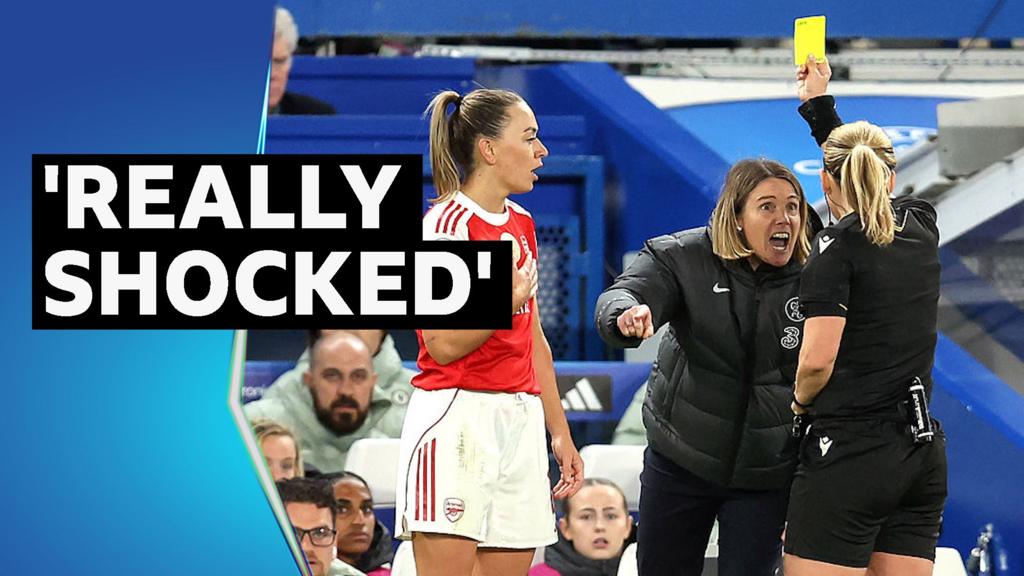
The BBC reported on the thrilling nature of the tie, and it was clear from the touchline reactions that neither bench felt fully in control. When you have two teams with this much attacking talent, structure often gives way to individual brilliance.
You do not usually see top-tier European knockout ties devolve into end-to-end basketball games. Yet, for large stretches of the second half, that is exactly what happened. The midfield was bypassed entirely by both sides.
Where Chelsea's midfield structure failed
Chelsea have built a side that generally thrives on control. Yet against Arsenal, their midfield structure looked oddly porous. The spacing between the defensive line and the double pivot was constantly exploited.
Arsenal recognized this early. They bypassed the initial press by playing direct into the channels. It forced Chelsea’s center-backs to make uncomfortable decisions. Do they step out to engage, or drop off and absorb the pressure?
When they stepped out, the space behind them was immediately attacked. This is where Arsenal's attacking rotations caused absolute chaos. The fluidity of their front line meant Chelsea’s markers were constantly handing off assignments. It takes flawless communication to defend that, and Chelsea simply did not have it.
There is a harsh reality the Chelsea bench has to face before the return fixture. Their midfield cannot cover the ground required if the game becomes a track meet again. They need to dictate the tempo, not react to it.
Look at the pressing triggers from the first leg. Chelsea tried to trap Arsenal out wide, but the timing was always a fraction of a second late. When the trap fails, the defensive block is instantly compromised. Arsenal played through the lines with alarming ease during the buildup to Russo's decisive goal.
The brilliance of Russo, James, and Kelly
You cannot analyze this tie without looking at the individual quality on display. Lauren James is an absolute cheat code in the half-spaces. When she receives the ball on the half-turn, the opposition defense immediately collapses inward. Arsenal tried to double-team her, but her close control makes that a dangerous game.
James scored a brilliant goal because she understood exactly when to drift away from the central congestion. She isolated her defender, chopped inside, and created the angle. It was a moment of pure individual problem-solving.
Then you have Alessia Russo. Her game has evolved significantly since her arrival in North London. She is not just a pure number nine waiting for service. She actively constructs the attacks.
Russo was the one who settled the first leg for Arsenal. Her timing in the box is top-tier. She knows exactly when to check her run and when to attack the near post. Chelsea's center-backs lost her for a split second, and at this level, that is all it takes.
Chloe Kelly getting on the scoresheet added another layer of complexity to the match. Her ability to hold the width and deliver high-velocity crosses changes the defensive geometry. You have to respect her right foot, which opens up the inside channels for the underlapping fullbacks.
It is fascinating to watch these three England internationals dictate a match of this magnitude. They each represent a different profile of attacker. James wants the ball to feet to dribble. Kelly wants to isolate her fullback and deliver. Russo wants to link play and attack the penalty spot. Defending all three profiles in a single match is a nightmare for any back four.
Arsenal's defensive vulnerabilities
Despite the win, Arsenal cannot afford to be complacent. Their high defensive line was frequently exposed by Chelsea's quick restarts. There were moments where the rest-defense was completely broken.
When Arsenal commit numbers forward, they leave massive gaps in the wide areas. Chelsea exploited this heavily in the second half. If a team with Chelsea's attacking firepower is given that much green grass, they will punish you.
This is my biggest criticism of Arsenal's current setup. They are far too eager to force the issue when holding possession would be the smarter play. Game management is still a glaring weakness. They survived the first leg, but relying on covering pace to fix structural errors is playing with fire.
If Chelsea sharpen their final ball in the second leg, Arsenal's defense will break. The gaps are clearly there. The tracking back from the wingers was noticeably lazy on at least three separate occasions. You can get away with that in domestic cup matches against lower-tier opposition. You cannot get away with it in a European quarter-final.
Arsenal's center-backs were often left defending one-on-one in wide channels. That is a systemic failure, not an individual one. Arsenal's tactical setup needs an adjustment regarding fullback positioning during sustained periods of possession. If they both bomb forward simultaneously in the second leg, Chelsea will tear them apart on the counter.
The tactical adjustments required
Going into the second leg, both squads have clear tactical problems to solve. Chelsea have to figure out how to generate sustained pressure without leaving their center-backs exposed to Russo's holdup play.
I would expect Chelsea to drop their defensive line by five or ten yards. They need to condense the space between the midfield and the defense. This will force Arsenal to play in front of them, rather than threading balls through the lines.
For Arsenal, the adjustment is all about game state. They have the lead. They do not need to chase a goal in the opening 15 minutes. They should hold the ball and frustrate Chelsea. Force the Blues to press high and exhaust themselves early.
But will Arsenal actually play pragmatically? Their DNA suggests otherwise. They always want to attack. That ideological stubbornness is what makes them so entertaining to watch, but it also makes them incredibly vulnerable.
Predicting the final outcome
So, how does the return leg play out? Chelsea have no choice but to force the issue. They have to chase the aggregate score, which means they will likely deploy an aggressive press right from the opening whistle.
This plays perfectly into Arsenal's hands. They thrive in a transition game. If Chelsea push their fullbacks higher to support the attack, Arsenal will simply hit them on the counter. The space behind Chelsea's defensive line will be massive.
I expect Chelsea to score first. Lauren James will find a pocket of space and test the goalkeeper from distance. The opening exchanges will be entirely dominated by the Blues as they hunt for the equalizer.
But Arsenal have the tactical discipline to weather the storm. Once the initial surge fades, the game will naturally open up. Russo will find joy dropping into the pockets between the lines, pulling a center-back out of position and creating space for the wingers.
Chelsea's desperation will ultimately be their undoing. As they commit bodies forward in the final quarter of the match, they will leave themselves completely exposed. Arsenal will score on the break to kill the tie.
My prediction is a 2-1 victory for Arsenal on the night, securing their spot in the semi-finals. It won't be pretty, and it will involve a lot of suffering for the Arsenal defense, but they will exploit Chelsea's need to chase the game. The Blues simply have too many defensive holes to mount a successful comeback against this Arsenal frontline.
Read Next
- Arsenal's 3-1 win exposed Chelsea's European structural flaws
- Arsenal just exposed Chelsea's glaring European flaws
- Lauren James is masking Chelsea's deeper tactical flaws against Arsenal
- The brutal tactical truths that will decide the UCL quarter-finals
- ⭐ UCL 2026 — Champions League Quarter-Finals Hub