The shadow of 2002 looms over the selection room
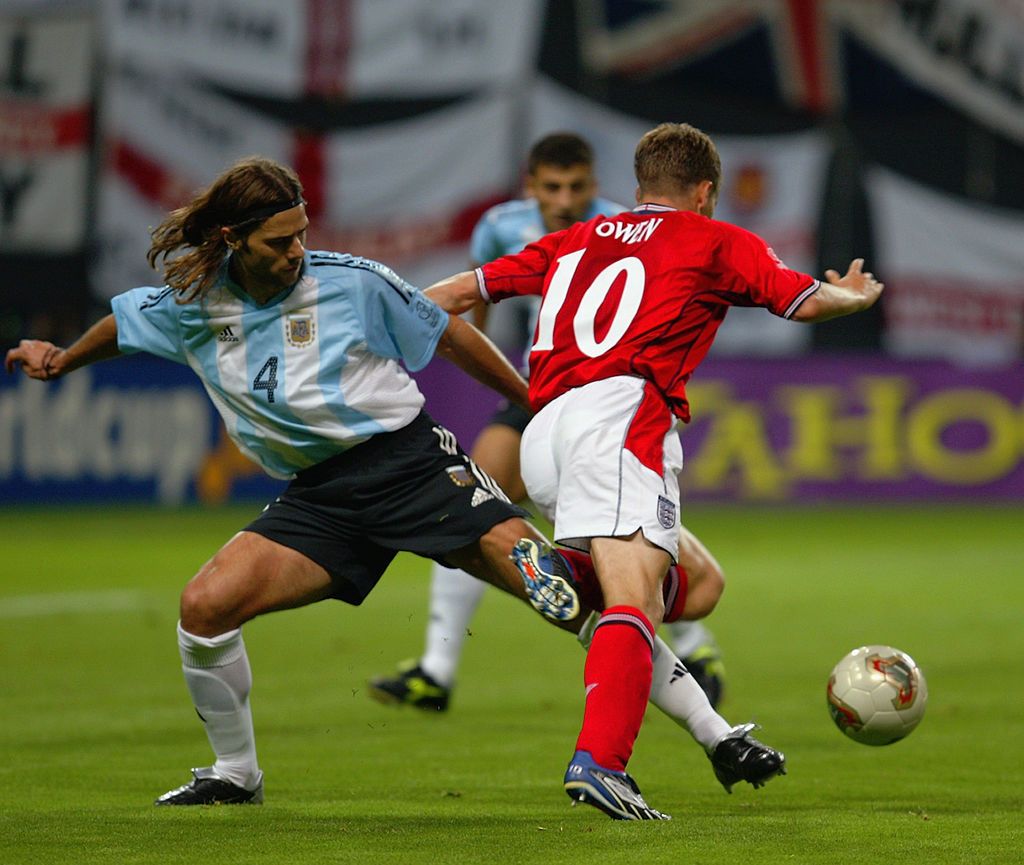
Twenty-four years after the infamous collision in Japan, the tactical debate surrounding England's defensive setup remains predictably circular. Mauricio Pochettino recently revisited the 2002 clash with Michael Owen, a moment defined by a single 0.5-second decision that shifted the trajectory of an entire tournament. As we approach the 2026 World Cup kickoff on June 11, the questions in the England camp mirror that historical anxiety: how much do you trade in defensive reliability for attacking dynamism?
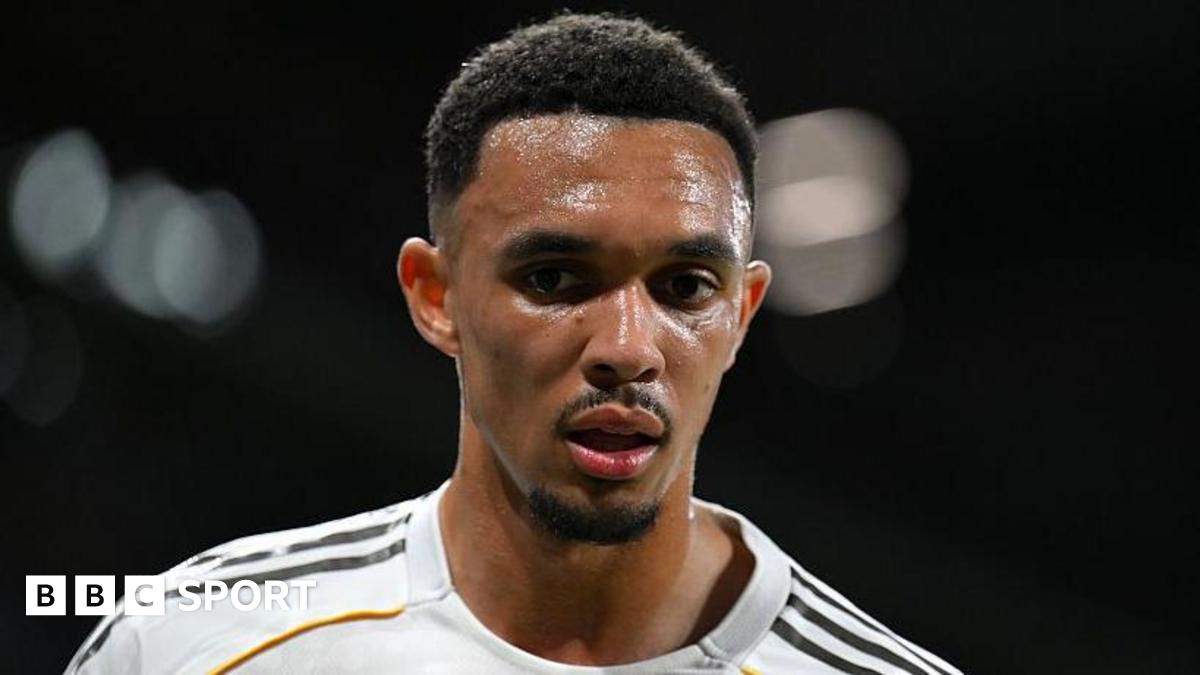
The current selection headache revolves around the profile of the fullback. Stephen Warnock has been vocal about the inclusion of Trent Alexander-Arnold, arguing that his offensive output remains unparalleled. However, the modern game demands a transition speed that often leaves players with Alexander-Arnold's defensive metrics exposed against elite wide forwards. When you compare his recovery statistics against traditional defensive specialists, the gap in successful defensive actions per 90 minutes remains stark.
Statistical ghosts in the fullback position
The numbers suggest a clear trade-off. In the most recent club cycle, Alexander-Arnold maintained an expected assist (xA) rate of 0.32 per 90, a bracket he shares with world-class playmakers rather than right-backs. Yet, his tactical positioning leaves the half-space vulnerable. If you look at the 2022 World Cup data, the teams that progressed deepest in the tournament prioritized defensive transitions over high-volume crossing.
Defining the squad balance
Gary Lineker recently raised fears regarding tactical stability, as reported by the Metro, suggesting that individual form at Arsenal is not translating into international assurance. Coaches like Steve Clarke are reportedly agonizing over two final spots for the Scotland squad, but the England hierarchy appears similarly paralyzed. With the June 1 deadline approaching, the squad construction looks 90% finished, yet that final 10% of personnel often decides group stage success.
Jordan Pickford is preparing for his fifth major tournament, providing a baseline of stability that others lack. According to recent analysis, his shot-stopping consistency remains above the tournament average of 72.4%. He provides the one non-negotiable constant in a side that is still searching for its defensive identity.
The wider context of the 2026 turn
While England navigates its internal debate, other nations are leaning into their traditional profiles to defy the underdog tag. The Socceroos are looking to disrupt expectations, with coach Tony Popovic focusing on closing down the space centrally rather than chasing ball possession against giants like Turkey or the US. It is a pragmatic shift away from the expansive football that ruined many campaigns in the past.
Meanwhile, as Davide Ancelotti suggests regarding the Brazil setup, elite international football is now as much about managing the psychological load of the knockout stages as it is about formation. Colombia is also emerging as a tactical outsider, relying on the 'maverick' DNA of players like Luis Diaz to counteract more structured European units. If England cannot resolve the tension between Alexander-Arnold’s creativity and the need for a disciplined defensive block, they risk a repeat of the 2002 defensive instability that Pochettino still discusses today.
Ultimately, the tournament will be won by the team that balances these metrics best during the 90 minutes of high-stakes pressure. Efficiency in the final third means nothing if the transition defense allows for a shot map dominated by high-quality chances in the central channel. For England, the time to finalize the geometry of the back four is running out.
Read Next
- Why Trent Alexander-Arnold to Real Madrid will be a tactical disaster
- Davide Ancelotti is quietly reinventing Brazil's midfield structure
- Bournemouth's tactical efficiency is putting top-half clubs to shame
- Arsenal can overcome their injury crisis against Diego Simeone
- 🏆 World Cup 2026 — Full Coverage Hub
- 🏴 England World Cup 2026 — Three Lions Hub