The Tactical Obsoletion of Saturday Noon
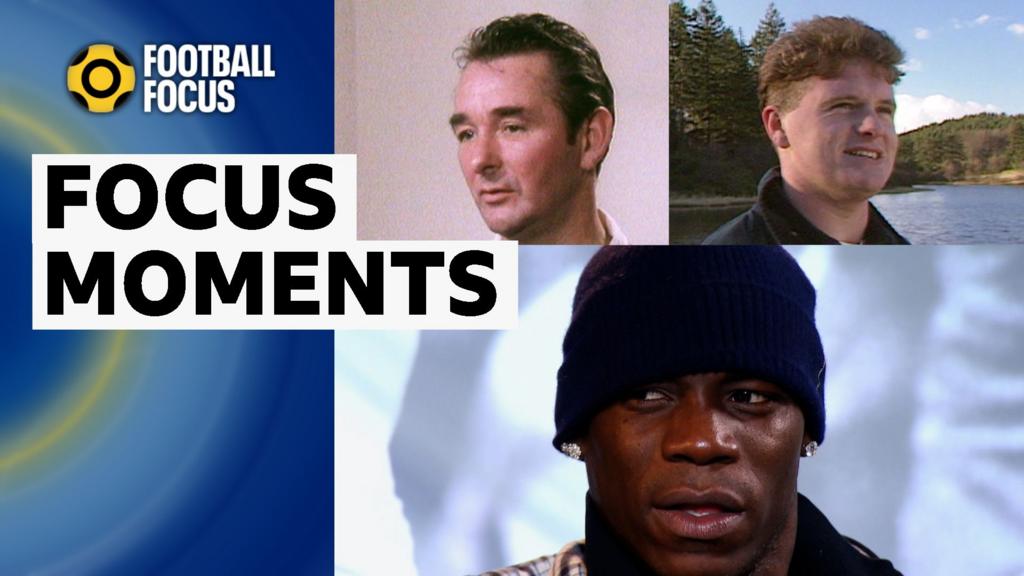
Today, a quiet death occurs in Salford. After a 52-year run, the BBC is finally pulling the plug on its weekly football preview show. The final broadcast goes to air this afternoon, ending a half-century of television tradition.
For generations of British football fans, the show was the definitive opening whistle of the weekend. It represented a weekly ritual of pre-match anticipation, tea, and transfer gossip. But the modern media game moves at a relentless tempo, and the grand old institution has been pressed entirely out of the match.
The cancellation, as detailed in a Mirror Football report, is the direct result of changing audience habits rather than sudden budget cuts. Viewers have migrated away from traditional television boxes toward immediate, on-demand digital content. The BBC is simply reacting to a tactical mismatch that has been developing for nearly a decade.
The Classic 4-4-2 of Television History
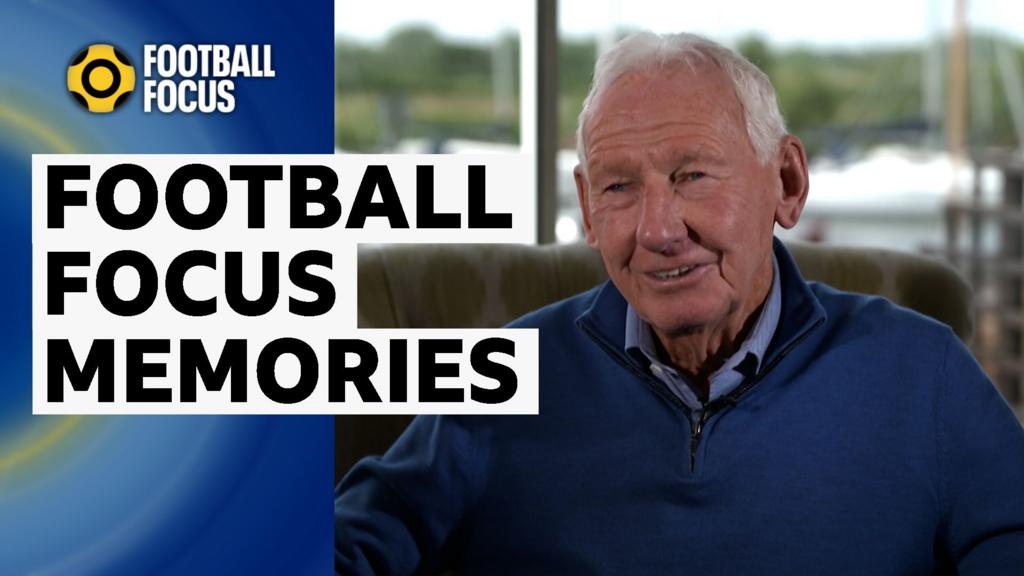
To understand why the show failed, we must understand the tactical system it pioneered. When the programme officially launched in 1974 under the stewardship of Bob Wilson, the media environment was remarkably simple. Football fans had almost no access to live match footage outside of rare cup finals and late-night highlights.
Wilson operated as a steady, reliable holding midfielder, anchoring the broadcast for twenty years. The show used a rigid but highly effective formation. It combined a soft-focus profile of a top-flight star, a brief look at a lower-league underdog, and a rapid run-through of the weekend's fixtures.
This was the classic 4-4-2 of sports broadcasting. It did not need to be sophisticated because it faced no real competition. Subsequent hosts like Steve Rider, Gary Lineker, and Ray Stubbs inherited this exact system.
How the High Press Broke the System
The game changed when the internet took the pitch. Suddenly, the traditional Saturday noon preview found itself facing a ferocious, high-intensity counter-press. The tactical discussion was no longer dictated by a single television studio in Salford.
Modern fans do not wait until Saturday afternoon to discover how their team will set up. By Tuesday morning, tactical analysts on YouTube have uploaded twenty-minute breakdowns of defensive transition errors. By Wednesday, analytical writers have published detailed passing maps and xG charts of the upcoming opponents.
By the time the presenter welcomes viewers, the discussion is already obsolete. The show was caught in possession, trying to play slow, short passes from the back while the digital audience had already sprinted miles ahead. It was a structural deficit that no host could overcome.
A Massive Scheduling Own-Goal
The BBC also made several questionable scheduling decisions that hastened the demise of the show. Keeping the broadcast in its traditional Saturday slot while domestic kickoff times shifted was a bizarre tactical error. For years, the early Premier League match has kicked off at 12:30 pm.
This created a direct collision between the preview show and live, high-stakes football on subscription channels. The BBC was asking fans to watch a studio panel discuss potential tactics while actual, live football was happening on another channel. It was a commercial and scheduling own-goal that starved the programme of live viewers.
Furthermore, the editorial tone of the show grew increasingly disconnected from the modern fan. While the average viewer became highly educated in tactical terminology, the show clung to superficial human-interest stories. It chose to ask players about their favorite video games rather than their defensive positioning, alienating the core audience of football obsessives.
We can identify three major tactical failures in the show's final decade:
- The stubborn decision to broadcast in a timeslot that directly collided with live Premier League fixtures.
- An editorial refusal to engage with modern tactical metrics such as expected goals (xG) and defensive line heights.
- An over-reliance on soft player interviews that prioritized media training over genuine tactical insight.
The Analytical Evolution of the Television Viewer
The real reason the show died is that the viewer got smarter. In 1974, a fan's tactical knowledge was limited to what they read in the morning paper or heard in the pub. Today, a teenager in his bedroom can pull up complex passing networks and progressive carry statistics within seconds of the final whistle.
This democratization of data changed the expectations of the television audience. Viewers no longer need a presenter to tell them that a team is playing defensively. They want to know the exact width of the defensive block, the specific pressing triggers of the front three, and how the goalkeeper's distribution affects the build-up play.
The old show simply refused to adapt to this intellectual shift. It continued to treat tactics as an optional, secondary detail rather than the core interest of the modern fan. While digital platforms flourished by offering deep, granular analysis, the BBC stayed stubbornly broad.
From Salford to the 2026 World Cup
The move of the BBC Sport department to Salford in 2011 was supposed to revitalize their output. While it succeeded in modernizing the studio aesthetics, the editorial DNA of the weekly preview remained stubbornly resistant to change. It felt like a show designed for a bygone era of casual Saturday morning viewing.
The announcement of the cancellation is a bold, aggressive play by Alex Kay-Jelski. He is cutting a historic piece of programming before it decays into total irrelevance. It is a tactical substitution designed to free up resources for the digital-first era.
Alex Scott will now focus on the upcoming international tournaments, including the FIFA World Cup kickoff on June 11. This is a far better utilization of her skills. She is a broadcaster who thrives on the immediate tension of live matchday coverage rather than the scripted pacing of a pre-recorded magazine show.
What to Expect from the Final Whistle
For the final broadcast today, expect a heavy dose of nostalgia and retrospective packages. We will see clips of Bob Wilson in his 1970s suits, Des Lynam's famous moustache, and Dan Walker's lighthearted studio banter. It will be a celebration of fifty-two years of television history.
But beneath the warm memories, there will be a quiet acknowledgement of defeat. The Saturday lunchtime slot at 12:45 pm has been surrendered to the digital tide. The BBC is conceding that it can no longer compete for the attention of the modern football fan in that specific window.
It is the correct decision, even if it feels jarring to those of us who grew up with the show. The television preview is a dead format, slain by the speed and depth of the internet. The final whistle today is not a tragedy, but the logical conclusion of a tactical evolution.
The Prediction for the Final Fixture
As we look ahead to the Champions League Final in just four days, and the FIFA World Cup kickoff in eighteen days, the demands of the modern audience are clearer than ever. Football fans want depth, immediacy, and analytical precision. They do not want recycled platitudes packaged in a fifty-two-year-old template.
The broadcaster is smart to keep Alex Scott in the starting lineup for the upcoming major tournaments. She remains a sharp, highly capable broadcaster who excels in the high-pressure environment of live tournament coverage. But the weekly magazine show is dead, and no amount of nostalgia can revive it.
We predict that the new show, The Football Interview, will face immediate pressure from day one. If Somers and her production team rely on the same sanitised, corporate PR interviews that ruined late-stage Football Focus, the show will suffer the exact same fate. To survive, they must allow their subjects to speak with genuine tactical depth and emotional honesty.
The final broadcast today marks the end of an era, but it is also a victory for the intelligence of the modern fan. We demanded better analysis, faster information, and deeper insight, and the media market had to adapt. Today, we say goodbye to an old friend, but we welcome a smarter, faster game.