The Death of a Saturday Ritual
Today, a quiet death occurs in Salford. After a 52-year run, the BBC is finally pulling the plug on its weekly football preview show. The final broadcast goes to air this afternoon, ending a half-century of television tradition.
For generations of British football fans, the show was the definitive opening whistle of the weekend. It was the companion to a hasty Saturday lunch before rushing out to a 3 PM kick-off. Now, it ends not with a dramatic final-day title decider, but with a nostalgia reel of bloopers and celebrity cameos.
The scheduling slot itself became a tactical trap. In 1974, Football Focus enjoyed a monopoly on the pre-match build-up because live televised football did not exist on Saturdays. Fans had to wait for Match of the Day late at night to see actual match action.
The creation of the Premier League in 1992 began a slow squeeze on the show's relevance. Then came the introduction of the 12:30 PM televised match, currently held by TNT Sports. Suddenly, fans were not looking for a preview show at Saturday noon; they were already watching live football.
The ratings tell a brutal, unsentimental story of audience migration. When live football is on a rival channel, a terrestrial preview show cannot compete. The BBC found itself paying for production costs on a program that had lost its tactical purpose.
The modern viewer does not need a television host to tell them who is injured or what the table looks like. They have had that information pushed to their phones since Thursday afternoon. The weekly ritual simply ran out of utility.
From Bob Wilson to the Inverted Fullback
Football Focus was born in an era when tactical analysis was virtually non-existent on television. Bob Wilson would stand in front of a magnetic board, moving plastic circles to show a basic winger cross. The game was understood through effort, desire, and individual moments of brilliance.
In 1974, the tactical debate in England rarely went beyond the merits of a flat back four versus a sweeper system. The English game was isolated, physical, and direct. The show's analytical depth matched the simplicity of the era.
Fifty years later, the sport has undergone a quiet revolution. We live in an era of complex rest defenses, mid-blocks, and build-up structures designed to bypass specific pressing triggers. A modern fan understands the game through a completely different vocabulary.
When Pep Guardiola deploys a 3-2-4-1 out-of-possession shape, fans expect to see why it works. They want to see the passing lanes, the central overloads, and the pressing traps. Football Focus never quite figured out how to deliver this level of analysis within its traditional format.
Instead, the show remained wedded to the soft-feature interview. We were treated to segments showing a Premier League striker walking his dog or talking about his favorite music. While humanizing, these features offered nothing to the fan wanting to understand the tactical battle ahead.
The BBC's pundits often felt like they were speaking to an audience that no longer existed. They relied on platitudes like "they wanted it more" or "they lacked character." Meanwhile, amateur analysts on YouTube were drawing tactical lines over pirated footage and attracting millions of views.
This analytical gap became wider with the rise of subscription-based sports writing and data platforms. Fans who want deep analysis turn to specialized outlets. They do not wait for a Saturday noon broadcast to get a surface-level overview.
The Obsoletion of the Video Package
For decades, the standard Football Focus segment was the five-minute produced package. A reporter would travel to a training ground on a rainy Thursday, record a five-minute interview, and edit it with some generic rock music. This formula remained unchanged for decades.
In the digital age, this production cycle is painfully slow. By the time a pre-recorded interview airs on Saturday afternoon, the news is already stale. The manager's comments have already been transcribed, analyzed, and debated across social media for 48 hours.
The loss of broadcasting rights also crippled the show's visual appeal. The BBC cannot show Premier League footage until Match of the Day airs late on Saturday night. This meant Football Focus was reduced to showing still images or training ground b-roll while talking about the biggest matches of the weekend.
It is impossible to build anticipation for a massive match when you cannot show the players actually playing. The show was fighting a battle with one hand tied behind its back. Pundits had to describe actions that the viewer could not see.
The contrast with modern digital media is stark. A fan can open TikTok or YouTube and find instant, visually rich breakdowns of a player's performance within minutes of the final whistle. The BBC's weekly scheduling model belonged to a pre-internet world.
The public broadcaster's strict neutrality also worked against the show's engagement. Modern sports media thrives on strong opinions, tribal banter, and sharp debates. Football Focus remained polite, balanced, and ultimately toothless.
Nostalgia and the Final Whistle
Memories, Flubs, and Tom Jones
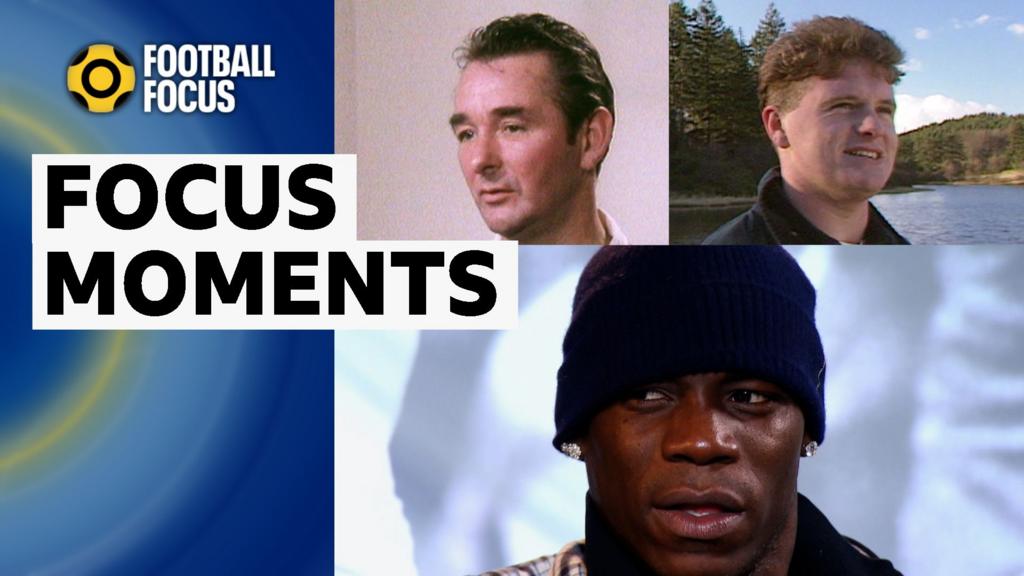
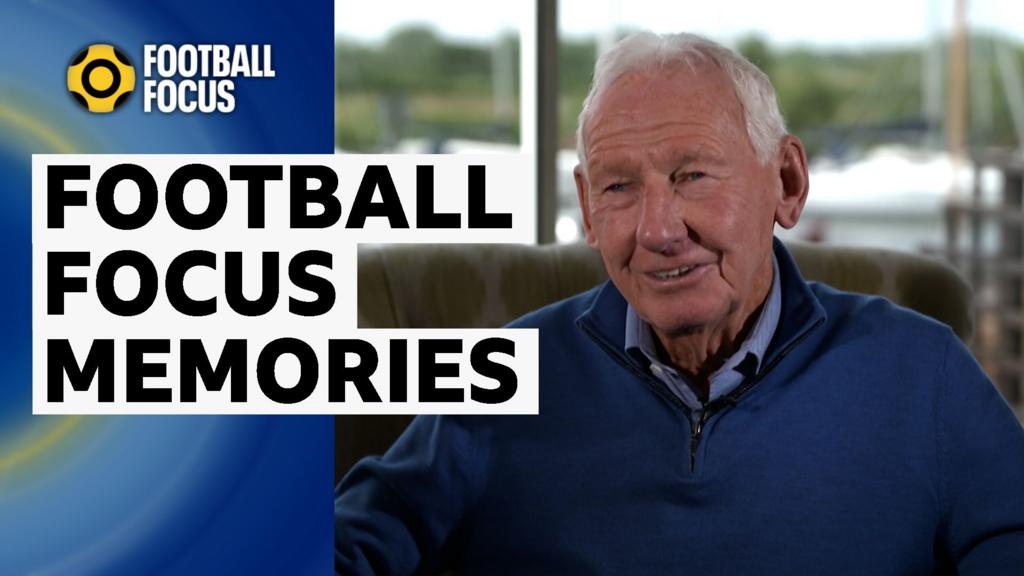
The final broadcast leans heavily into the archives, presenting a bittersweet trip down memory lane. The BBC has put together a collection of classic Football Focus memories that highlights the show's lighter side. We see flubbed lines, bad haircuts, and terrible pre-match predictions from the 1980s.
There are appearances by impressionists who once filled the screen during the show's lighter segments. We are reminded of the bizarre moment when Tom Jones joined the pundits in the studio to talk about Welsh football. It is a reminder of a time when the show did not have to take itself so seriously (and let's be honest, it was better for it).
Yet, this nostalgic look back only highlights the core problem. The show's peak cultural relevance is decades in the past. It is celebrating a version of itself that was built for a different media environment.
The pundits and hosts laugh at the old bloopers on the final episode of Football Focus, but there is an underlying sadness to the broadcast. They are eulogizing a television institution that simply could not find a way to survive in the modern era. The nostalgia is a shield against the harsh reality of obsolescence.
The final episode acts as a museum piece rather than a living sports show. It is a monument to a time when Saturday television was a shared national experience. That era is gone, and no amount of warm memories can bring it back.
The decision to end the show is the correct one, even if it hurts those who grew up with it. The BBC must direct its dwindling resources toward platforms where fans actually consume football content. Keeping a legacy show on life support out of sentimentality is a luxury the broadcaster can no longer afford.
The Future of Saturday Television
What happens to the Saturday noon slot now? The BBC will likely fill it with cheaper, syndicated programming or extend its morning news coverage. The era of dedicated Saturday afternoon preview shows on terrestrial television is officially over.
The demise of this show is part of a broader trend. Football coverage is becoming increasingly fragmented and expensive. Fans are forced to subscribe to multiple services to follow their teams, leaving terrestrial television with the scraps.
This fragmentation has a negative impact on the collective football culture. In 1974, everyone watched the same preview show and the same highlights. Today, fans live in their own media bubbles, consuming content tailored to their specific club or tactical preference.
The upcoming UEFA Champions League Final on May 28, 2026, will be broadcast across expensive subscription networks, further isolating the casual fan. The FIFA World Cup 2026 kickoff on June 11, 2026, will offer a temporary return to free-to-air dominance, but that is a brief exception to the rule.
We are moving toward a future where tactical analysis is either highly specialized and behind a paywall, or superficial and driven by social media algorithms. The middle ground that Football Focus occupied for 52 years is no longer viable.
My prediction for the future of football media is clear. Within five years, the concept of a weekly, scheduled preview show will be entirely dead across all major networks. Analysis will be delivered in real-time, personalized, and integrated directly into the streaming platforms that hold the live match rights.
The final whistle has blown for Football Focus. It was a magnificent run that spanned five decades, survived multiple technological revolutions, and shaped the footballing weekends of millions. But the game has moved on, and the tactical board has been wiped clean.