The Cost of Fluidity
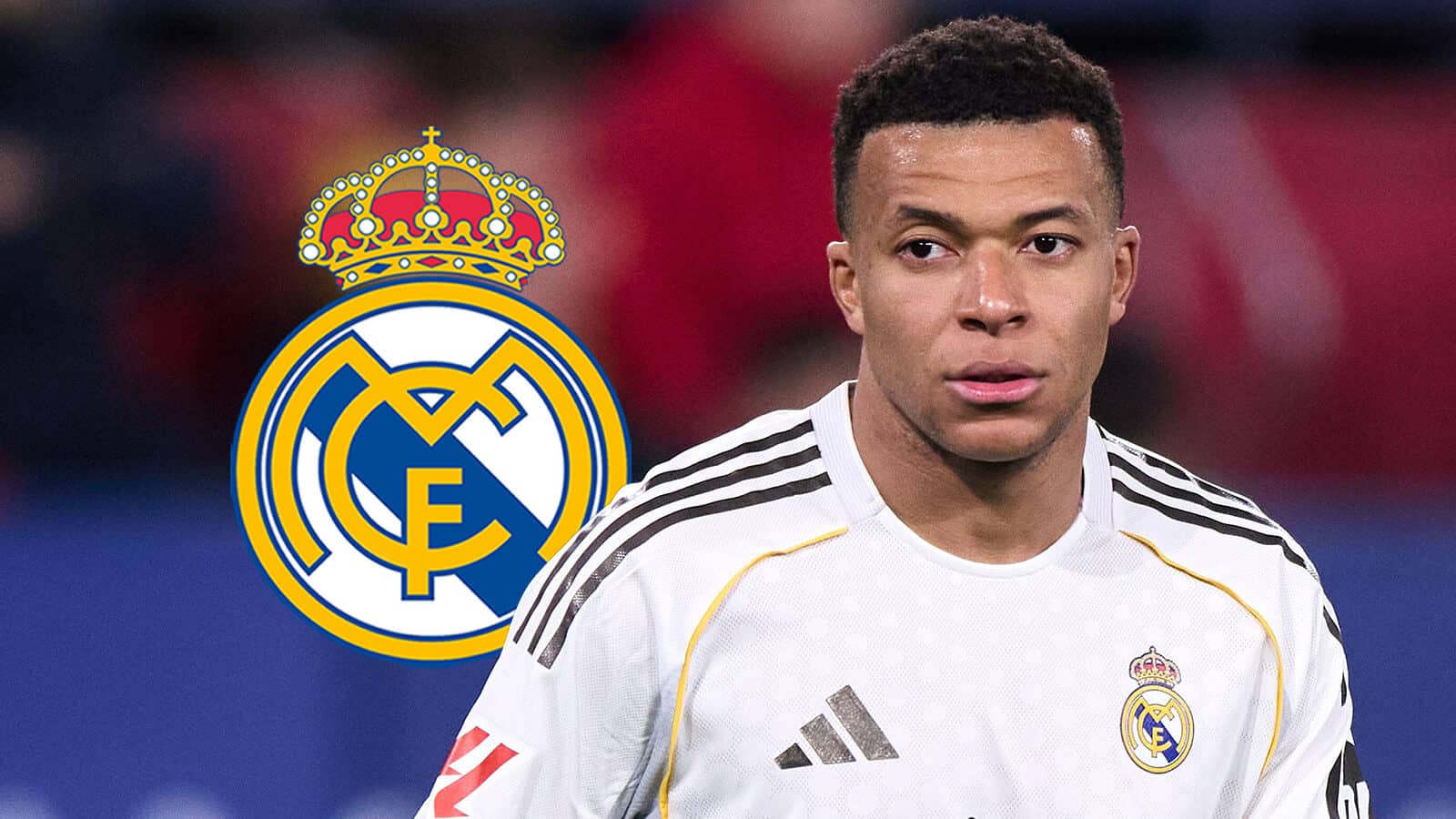
Kylian Mbappe scored 26 goals in La Liga to claim the Pichichi, yet Real Madrid finished the 2025/26 campaign without a single trophy. That is the paradox of modern superstar integration.
Under interim coach Alvaro Arbeloa, Madrid's expected goals (xG) generation plummeted by 12% overall. At the same time, their expected goals against (xGA) on the counter-attack spiked by an alarming 44% compared to the previous season. The team became a fragile collection of individual talents, consistently caught open in transition.
The tactical breakdown is clear when you watch the tape of their devastating 3-1 defeat to Atletico Madrid at the Metropolitano in April. In that match, Madrid's front three of Mbappe, Vinicius Junior, and Rodrygo averaged a combined 1.1 defensive actions per 90 minutes. They simply refused to track back.
This left the midfield pivot utterly exposed to rapid counter-pressing triggers. When transition defense collapses, even the most expensive attacking unit in the world becomes a liability.
Arbeloa tried to solve the spatial bottleneck by letting his forwards rotate freely. This resulted in Mbappe drifting repeatedly into the left half-space, which is Vinicius Junior's preferred zone of operation.
The consequence was a congested final third and poor shot selection. Mbappe registered a massive 6.8 shots per 90, but his average expected goal value per shot sat at a mediocre 0.14. Instead of generating high-value tap-ins, he was forced into speculative efforts from distance against low blocks.
Mourinho's Striker Gambit
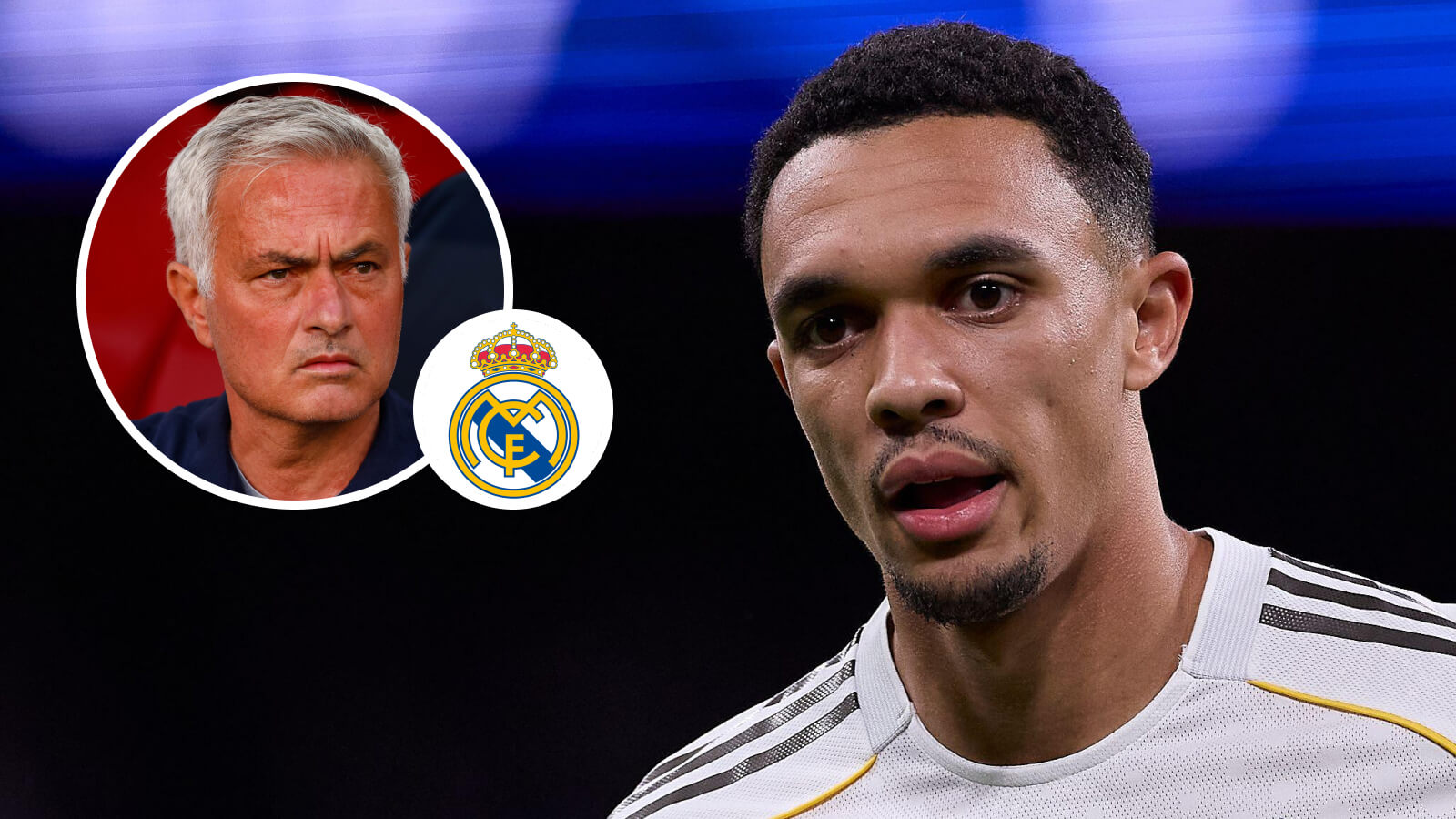
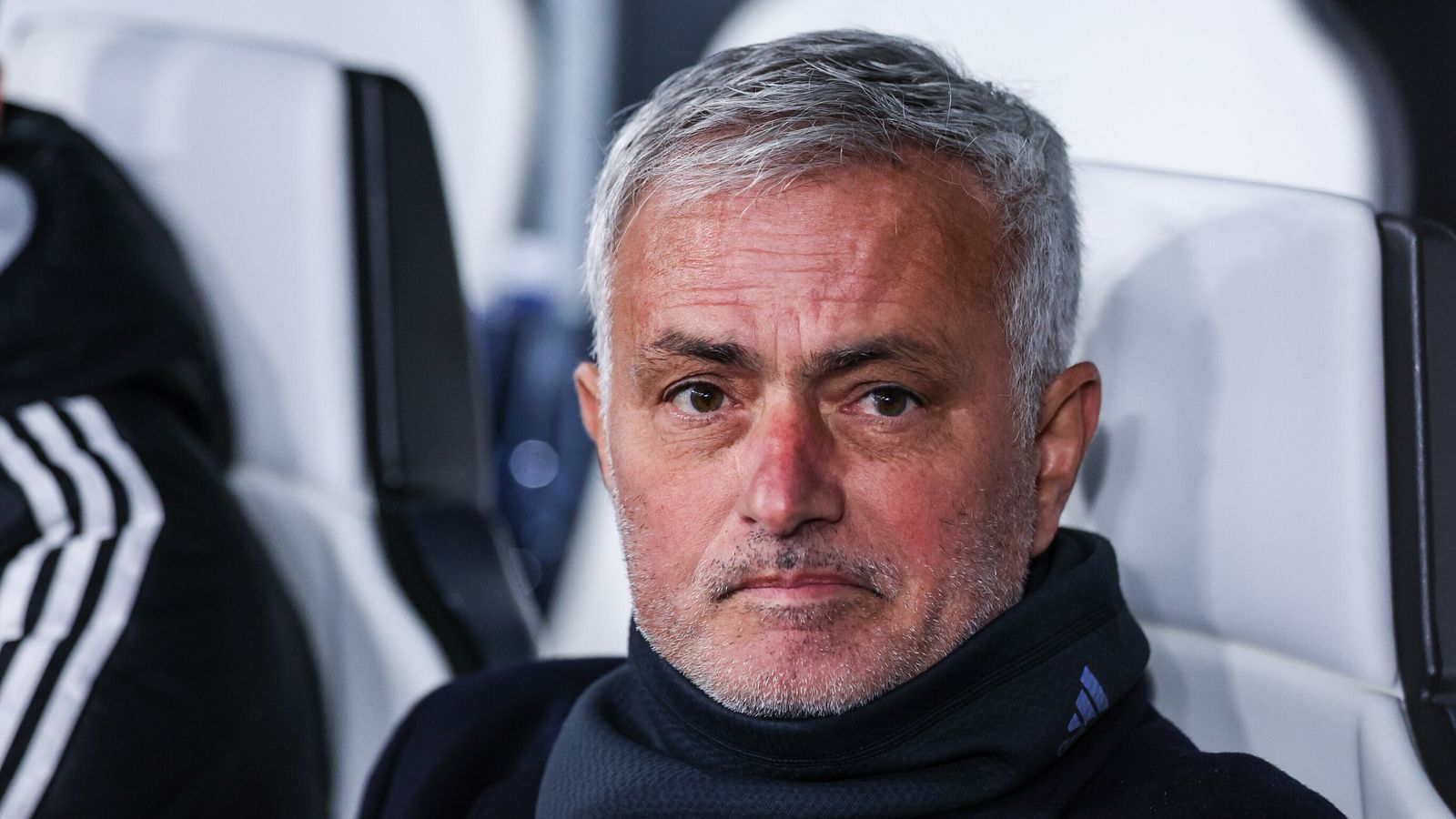
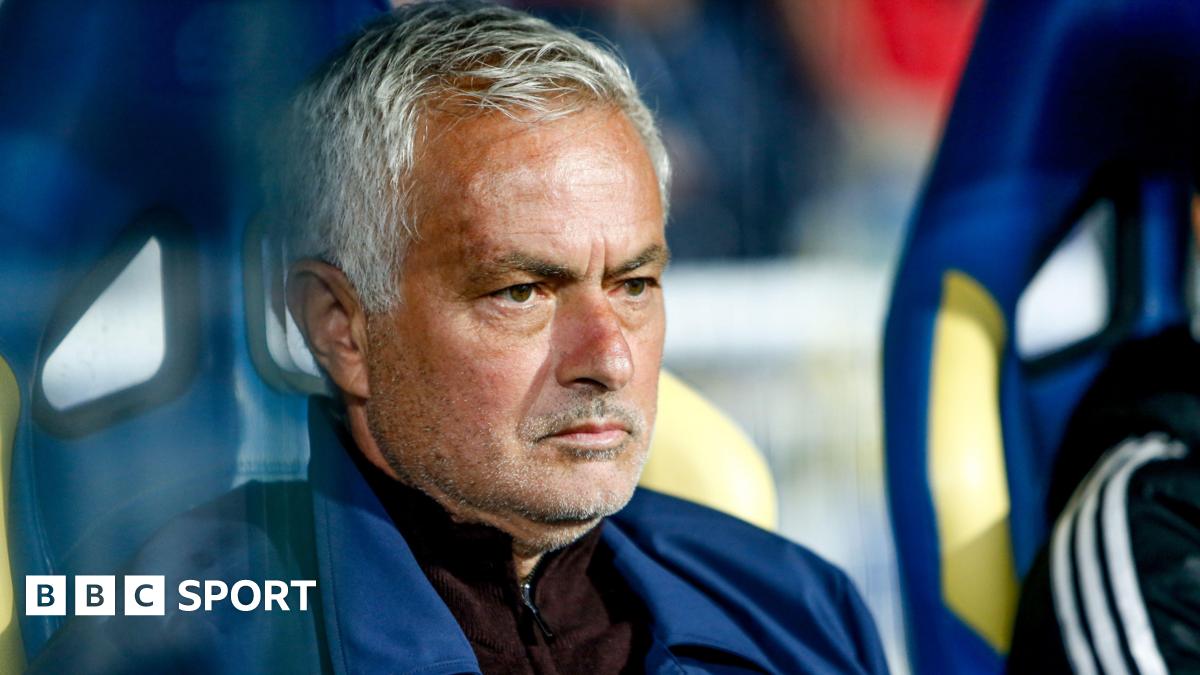
The incoming head coach Jose Mourinho plans to reconstruct this top-heavy squad with ruthless efficiency. As Football365 outlined, Mourinho is already plotting a tactical move that is bad news for Mbappe's untouchable status in the squad. Mourinho has never tolerated tactical passengers or asymmetric forwards who refuse to defend.
His immediate priority is to sign a physical, central focal point who can pin opposing center-backs and occupy the penalty box. This plan aims to force Mbappe out of his central comfort zone and back onto the flank, or onto the bench if he refuses to press.
Mourinho wants a profile like Victor Osimhen or Dusan Vlahovic to act as the primary target man. Historically, Mourinho's most successful teams have relied on a dominant physical striker to structure the attack.
Didier Drogba at Chelsea, Diego Milito at Inter, and Karim Benzema during Mourinho's previous stint in Madrid all performed this vital tactical function. A true central reference point creates space for inverted wingers.
Without a physical presence to occupy defenders, opposing low blocks can easily slide horizontally to double-team Vinicius and Mbappe. By bringing in a traditional number nine, Mourinho intends to restore structural balance to the attack.
This move will force Mbappe to compete directly for his place, stripping him of the unchecked tactical freedom he enjoyed under Arbeloa. It is a direct challenge to the forward's dominance.
The Shadow of the Etihad
The ultimate realization of this structural plan involves the most lethal striker in world football. As Sky Sports revealed, Real Madrid is keeping close tabs on Erling Haaland as Manchester City prepares for the post-Pep Guardiola era. Guardiola's confirmed departure at the end of the 2025/26 season has sent shockwaves through the Premier League, raising immediate questions about City's core stars.
Haaland remains tied to a massive contract at the Etihad until 2034, but the manager's exit has opened a window of opportunity. Statistically, Haaland is the exact antithesis of Mbappe's drift-and-dribble style.
The Norwegian forward averages just 18.4 touches per 90 minutes, yet 6.4 of those occur directly inside the penalty box. He does not drop deep to build play, nor does he clog the left wing.
Instead, he pins defensive lines back, creating a massive 15-yard gap between the opponent's midfield and defensive units. Haaland converts an astonishing 24.5% of his shots, a level of efficiency that Mbappe has never matched in his career.
If Madrid can execute this transfer, it will completely transform their offensive mechanics. With Haaland occupying both center-backs, Vinicius and Rodrygo would find ample space to exploit in the half-spaces.
Mbappe would be forced to adapt to a structured wing role, tracking back to defend in a mid-block. It is a harsh tactical reality, but Mourinho knows that championship-winning teams are built on structural order, not superstar indulgence.
The Midfield Shield
Rebalancing the attack is only half of Mourinho's tactical equation. The real issue is the midfield, where Madrid has lacked a true defensive anchor since the departure of Casemiro.
Tchouameni and Camavinga are elite talents, but both prefer to progress the ball rather than sit deep and screen the back four. This lack of positional discipline is why Madrid conceded 1.45 goals per game in transition during the 2025/26 season.
Mourinho's defensive system demands a specialist anchor who can read the game and shut down counter-attacks before they start. That specialist has been identified in Lisbon.
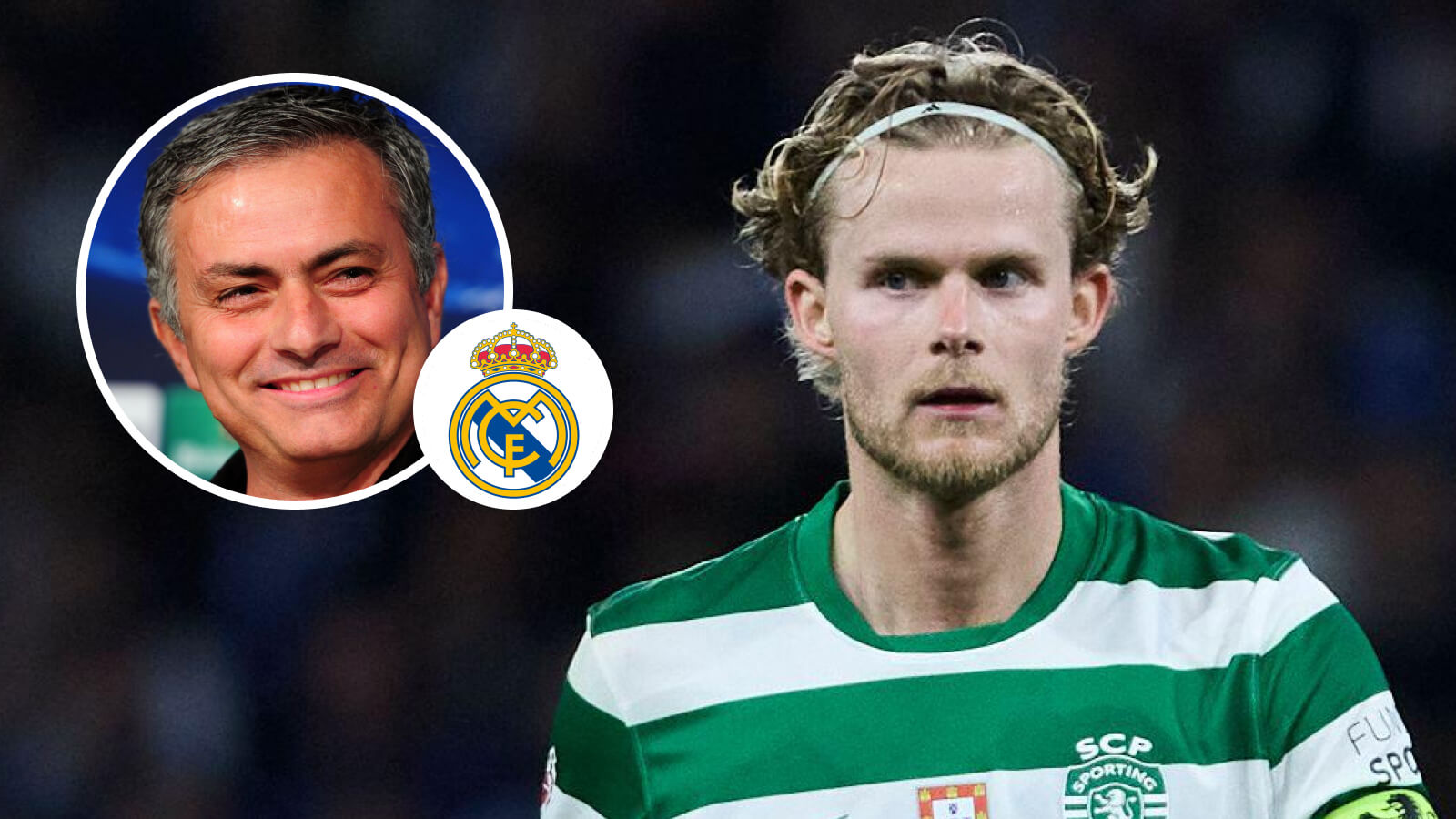
As TeamTalk reported, Sporting CP manager Rui Borges admitted that interest from Madrid in Morten Hjulmand is completely natural. The Sporting manager understands that Hjulmand's tactical maturity has outgrown the Portuguese league.
Under Borges's guidance, Hjulmand has developed into one of the most effective defensive midfielders in European football, captaining Sporting to a dominant domestic campaign. The Danish midfielder possesses a release clause of €80 million, a hefty sum that Madrid now views as an essential investment.
Statistically, Hjulmand is a defensive machine. In the Primeira Liga, he recorded 2.17 tackles and 0.85 interceptions per 90 minutes. More importantly, he averaged 6.39 ball recoveries per match, consistently cleaning up second balls in the middle third.
He acts as a human shield, sitting directly in front of the center-backs and refusing to join the attack. Beyond his defensive work rate, Hjulmand offers a level of composure that Madrid's current midfield sorely lacks under pressure.
He completed 89.2% of his passes in the domestic league, with a remarkable 74% success rate when pressed by two or more opponents. He does not play high-risk vertical passes.
Instead, he receives the ball from the center-backs, turns away from pressure, and plays simple lateral passes to his creative teammates. He is the ultimate safety valve.
Tactical Security and Ball Retention
This risk-averse passing profile is precisely what Mourinho requires to stabilize Madrid's transition defense. In Mourinho's classic 4-2-3-1 system, the double pivot must remain disciplined and compact.
With Hjulmand sitting deep alongside a box-to-box midfielder like Federico Valverde, Madrid will finally have the defensive solidity to sustain attacks. The fullback on the opposite side of the ball can push forward safely, knowing Hjulmand is covering the lateral space behind them.
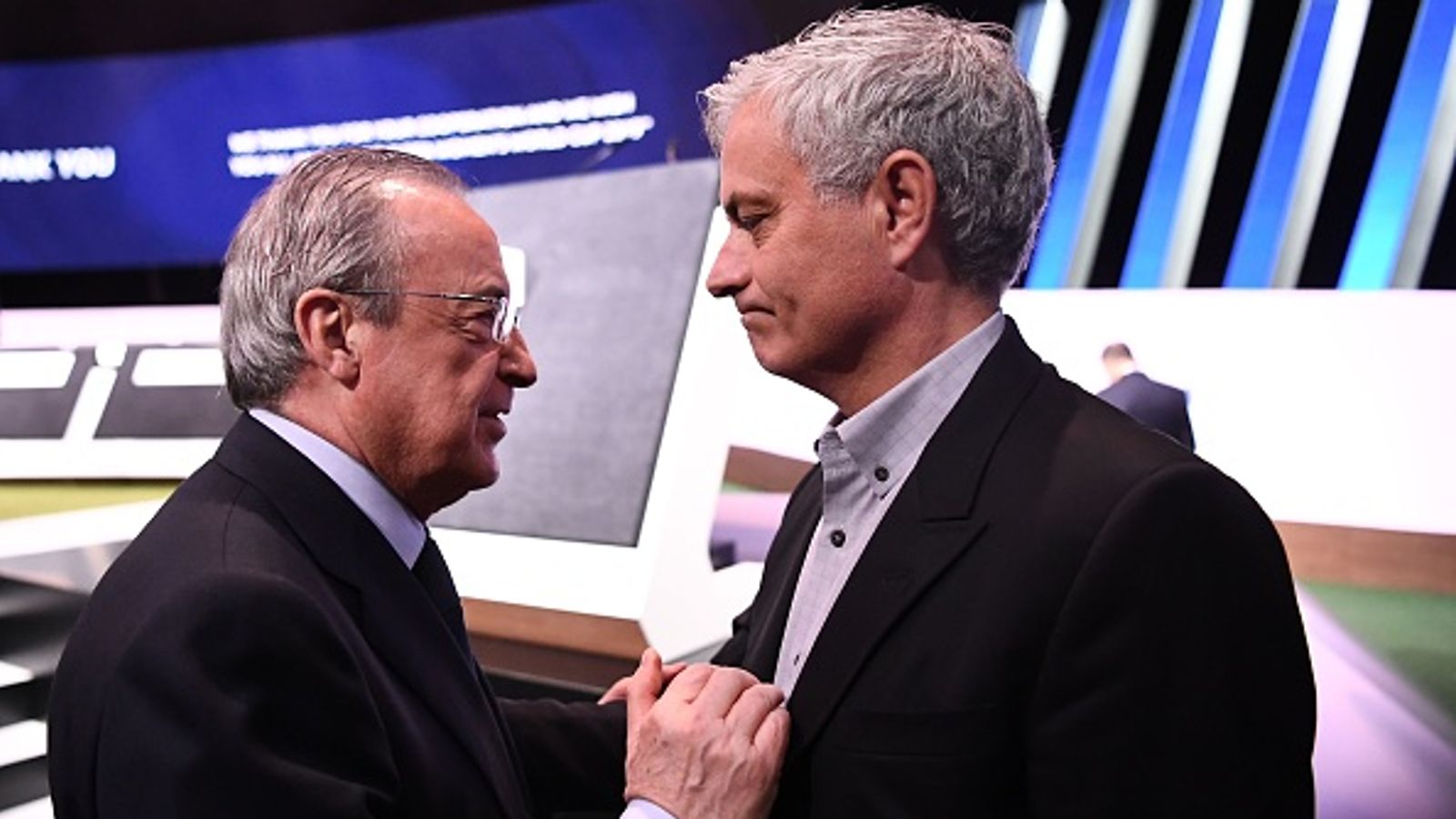
It is a simple, structured system that prioritizes defensive security over individual flair. Ultimately, Mourinho's summer rebuild is a direct rejection of the galactico philosophy that failed so spectacularly under Arbeloa.
By targeting Hjulmand and keeping tabs on Haaland, the Portuguese coach is building a team designed to win through structure, discipline, and defensive resilience. Mbappe will either fit into this rigid tactical framework or find himself watching from the dugout. The era of unchecked superstar privilege in Madrid is officially over.
Read Next
- Bayern Munich just slammed the door on Jose Mourinho's dream signing
- PSG and Arsenal battle for Europe while Madrid brace for Mourinho's arrival
- Top 10: Top Moments
- Manchester United are still paying the price for their biggest midfield mistake
- 🇫🇷 France World Cup 2026 — Les Bleus Hub
- ⚽ La Liga 2025-26 — Title Race Hub