The Lewandowski link: A Tier 3 tactical dead end
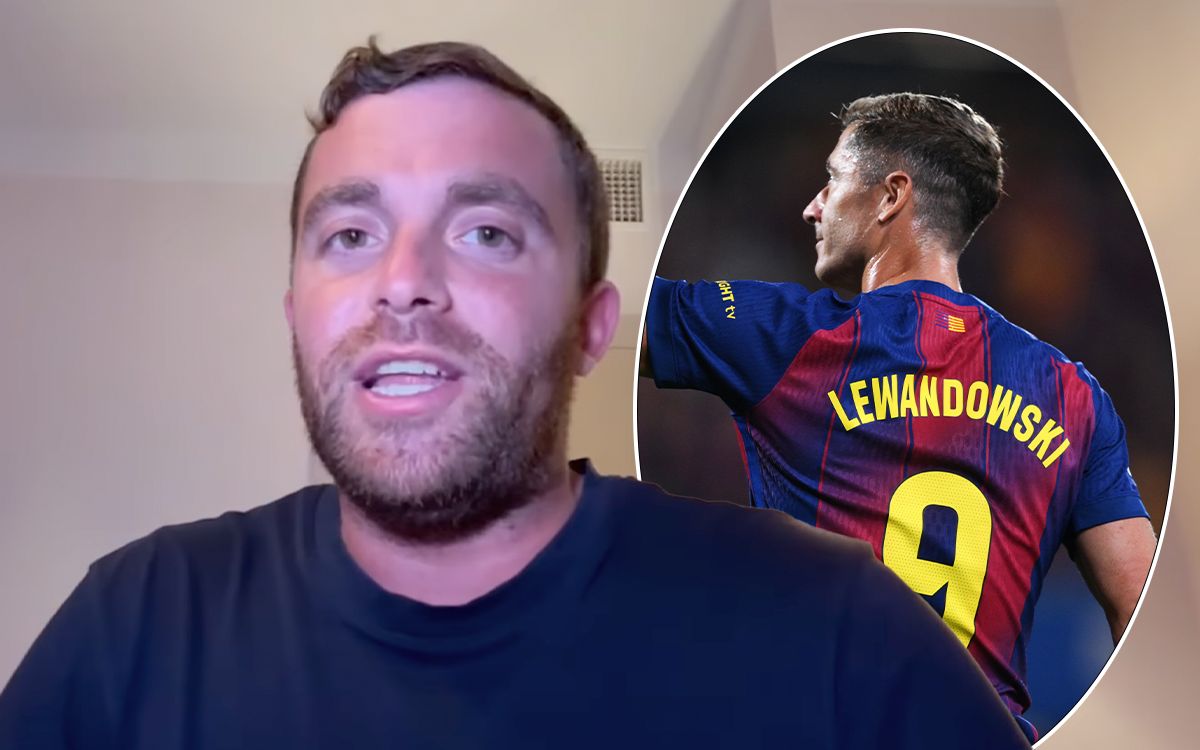
Rumors linking Robert Lewandowski to Manchester United have re-emerged, citing a reported 'green light' for a potential move. While the Polish striker remains a goal-scoring machine, this move carries all the hallmarks of the high-wage, short-term vanity projects that defined the club's worst transfer windows of the last decade. Reports suggest the door is open, but internal logic within the current INEOS hierarchy dictates caution.
Jim Ratcliffe has explicitly pivoted toward a recruitment strategy centered on younger profiles and sustainable wage structures. Lewandowski, now deep into his thirties, occupies a space that contradicts this shift. Adding him would require moving off significant funds that represent a departure from the mandate of long-term squad rejuvenation at Old Trafford.
Tactical friction and the shadow of the wage bill
Bringing in a veteran of his profile creates an immediate friction point for incoming managers and current tactical setups. The Premier League’s physical intensity demands a level of off-ball pressing that asks a lot of older strikers. Relying on a player who thrived under a specific tempo in La Liga is a gamble that rarely pays dividends in the high-transition speed of English football.
Rio Ferdinand has recently noted that the club needs a different class of recruitment to bridge the gap with the league leaders. While Ferdinand suggested the club look at free agent opportunities, as noted in the Metro, targeting a player simply because their contract situation is favorable is how clubs end up with deadwood on long-term deals. The lack of resale value makes this a sunk cost upon arrival.
The Liverpool alternative and broader market shifts
While Manchester United flirts with the idea of a veteran forward, teams like Liverpool are scouting for a different kind of profile. Recent noise surrounding Hertha Berlin’s Kennet Eichhorn suggests a move toward younger, record-breaking talent. Reports indicate that Eichhorn views Anfield as his dream destination, signaling a clear divergence in strategy between the two clubs. United remains focused on stop-gap fixes, while rivals are aggressively building for a future cycle.
Barcelona, meanwhile, has been given a green light to pursue alternatives to Manchester United outcasts like Marcus Rashford, according to recent updates. This shuffling of the deck confirms that the priority at the top of the European pyramid is shifting toward agility. A move for Lewandowski would be a stationary decision in a market that is rapidly accelerating.
The Bottom Line
This deal carries a probability of less than 10%. While the media chatter persists, the fundamental misalignment between the player's age-wage profile and Ratcliffe’s stated objectives makes this a non-starter. Expect the club to look strictly at profiles under the age of 26 as the transfer window opens post-World Cup.
The impact of such a signing would be objectively negative for the long-term balance sheet. Spending heavily on a short-term fix blocks the progression of academy talent and limits the flexibility needed to address the defensive line or midfield depth—areas that are arguably more desperate for overhaul than the final third. A move here would confirm that the old regime’s shadow still looms over critical decision-making processes.