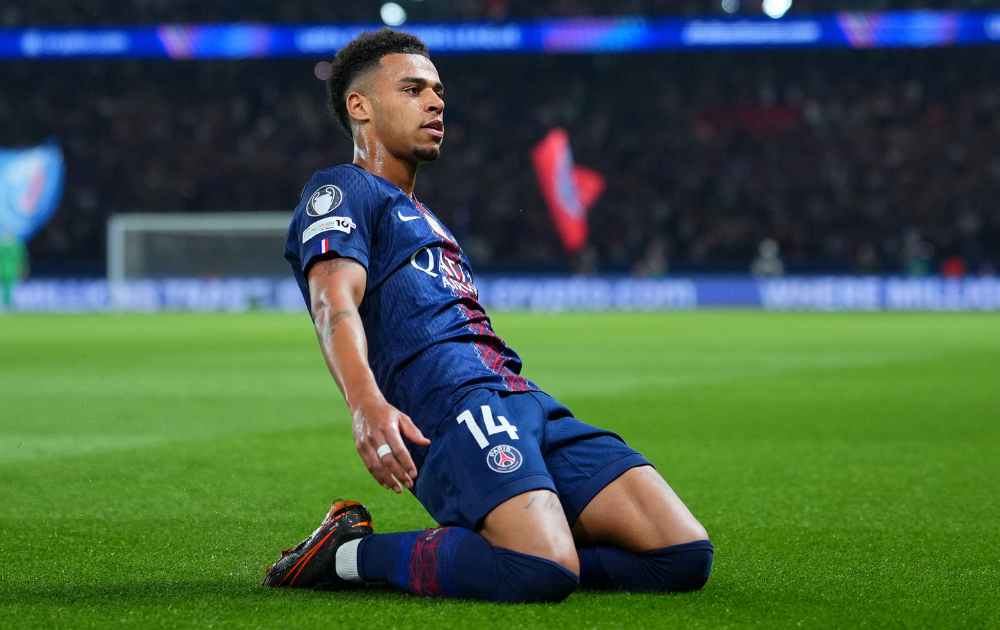
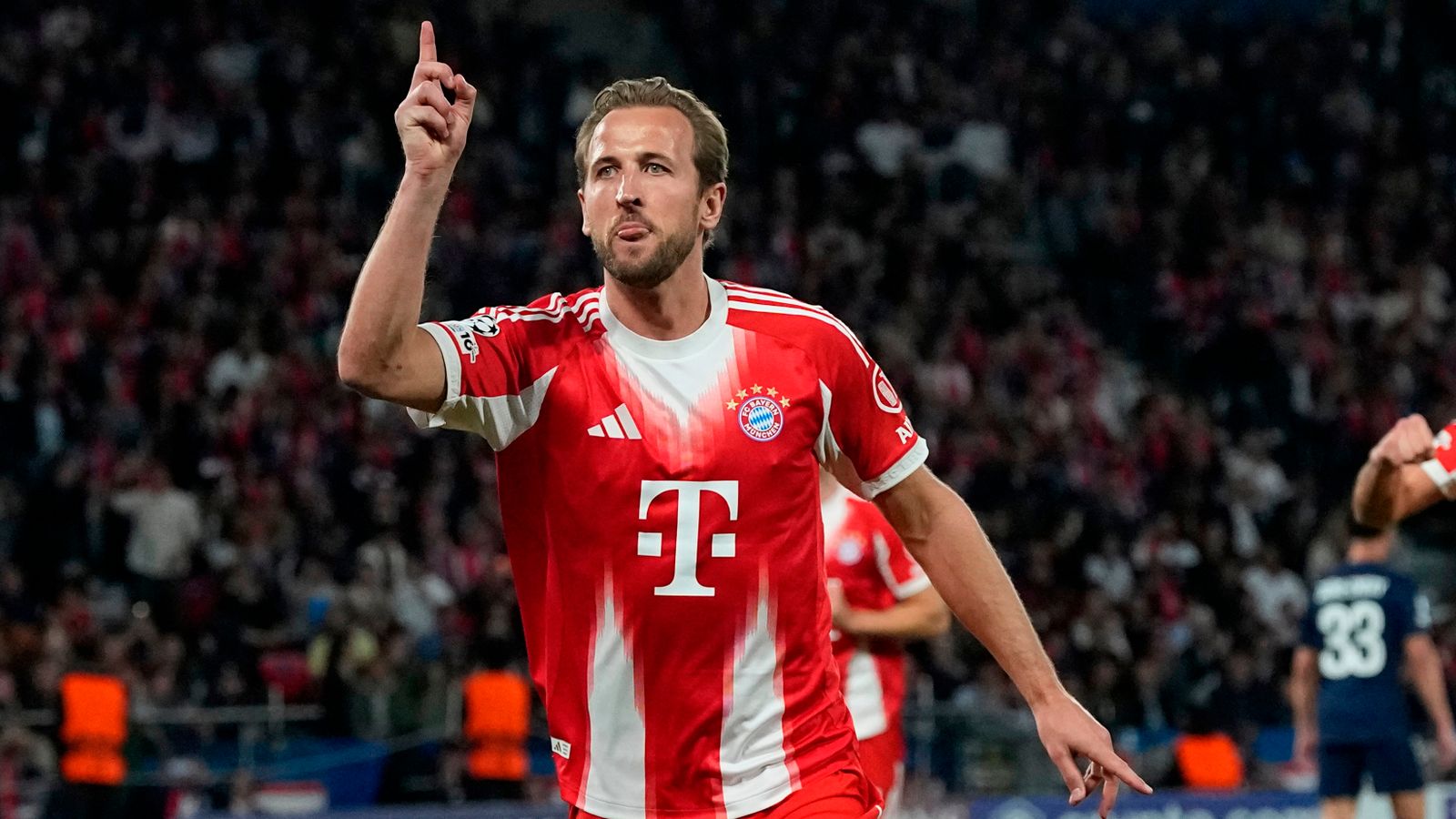
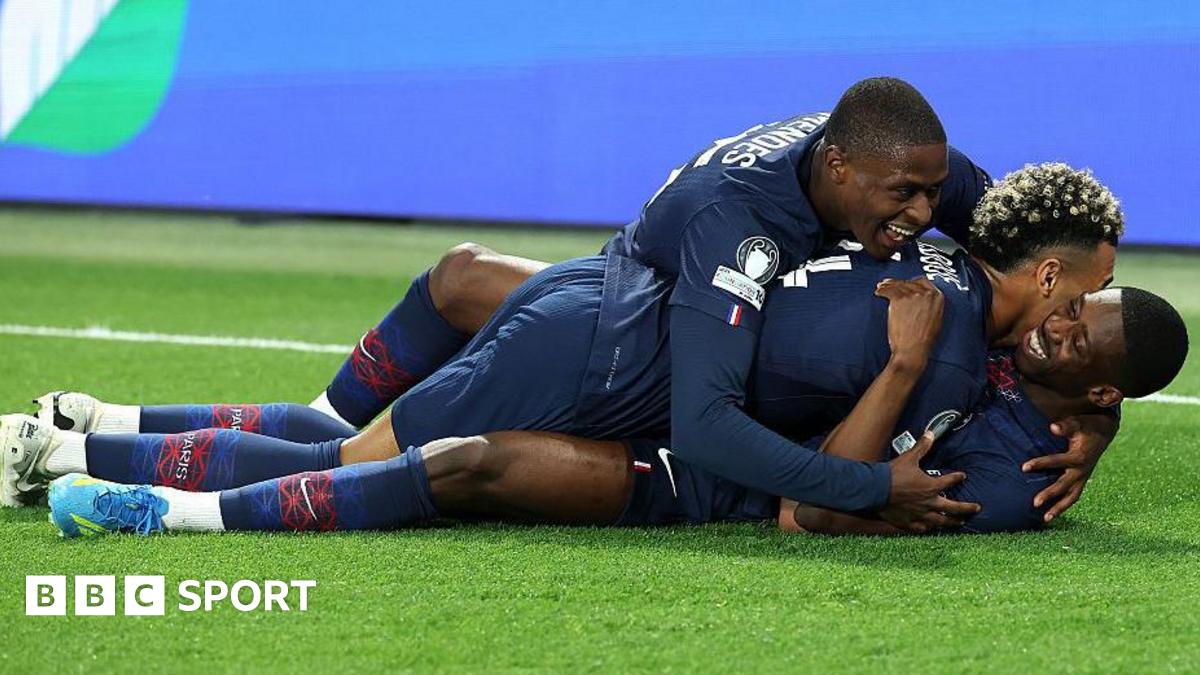
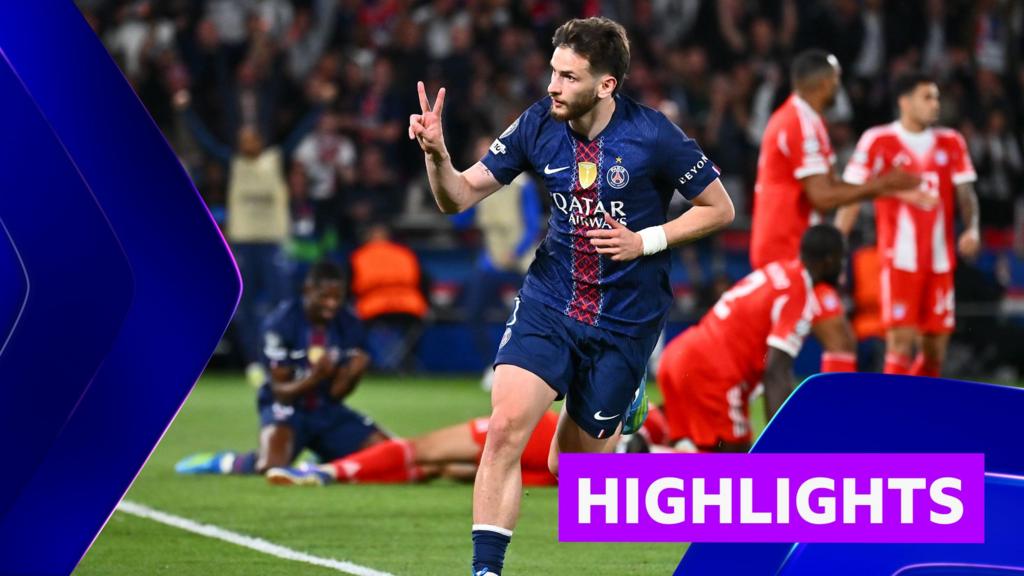
When Sky Sports asked their live blog readers if PSG’s victory over Bayern Munich was the greatest Champions League game ever, they were ignoring the foundational math of elite football. A true European classic rarely aligns with tactical perfection.
In a competition where semi-finals historically average just 2.2 total goals per match, a chaotic shootout is a statistical anomaly resulting from systemic failure. The adrenaline of the broadcast sold a masterpiece. The underlying data points to a total tactical meltdown from two of the wealthiest clubs on the planet.
The Anatomy of a European Shootout
When analysts look at the tape of a game branded a 'classic', they rarely see a flawless performance. Perfection in modern football is often quite boring. It looks like total control of possession and immediate counter-pressing to kill transitions before they start.
A classic requires the connective tissue between the midfield and the defense to sever. It requires central defenders to be exposed in massive open spaces. Tonight, we witnessed two elite teams abandon their tactical blueprints in favor of a playground shootout. It was brilliant television, but it was fundamentally flawed defending.
We have seen this specific fixture descend into statistical absurdity before. The dynamic between the Parisian project and the Bavarian establishment always seems to produce extreme variance.
Rewind to the 2020 Champions League final in Lisbon, and you see the cagey version of this matchup. Bayern Munich won that game 1-0, enjoying 62 percent possession in a match that produced precious few genuine scoring opportunities. It was tense and suffocating. Just months later, the script flipped into anarchy.
When Control Evaporates
In the first leg of their 2021 quarter-final, Bayern Munich bombarded the PSG goal. The underlying numbers from that night remain some of the most bizarre in modern European history. Bayern registered 31 shots compared to PSG’s meager 6.
The German side accumulated roughly 3.8 expected goals (xG), while PSG scraped together a mere 1.5. By every known metric of football analysis, Bayern should have won comfortably. Yet PSG walked away with a 3-2 victory, bypassing the statistical reality through ruthless finishing. Tonight felt like a spiritual sequel to that match.
The statistical profile of a broken match usually features three distinct elements:
- A sharp decline in progressive pass completion as teams force vertical balls.
- An unusually high concentration of shots occurring within five seconds of a midfield turnover.
- A total abandonment of disciplined defensive rotation by the fullbacks.
To understand just how bizarre this type of match is for this stage of the tournament, you have to look at the baseline expectations. These ties are traditionally defined by a fear of elimination. Managers set their teams up not to lose the first leg.
They prioritize defensive solidity and mistake-free possession. The fact that the structure disintegrated so early tonight suggests a catastrophic failure in preparation. When the opening goal went in, the expected period of consolidation never arrived.
We often talk about expected goals as a flat cumulative number, but the timing of that accumulation tells the real story. In a controlled match, a team might build 1.5 xG evenly over 90 minutes through sustained pressure and set pieces. In a broken game like this, the xG graph looks like a staircase.
Massive spikes occur in three-minute windows because transition attacks yield inherently higher-quality chances. A shot taken against a set defense with eight men behind the ball might carry an xG value of 0.04. A shot taken on a two-on-one counter-attack often jumps to 0.35 or higher. Tonight was built entirely on the latter.
The primary indicator of this tactical breakdown is found in the pressing numbers. Elite pressing teams in Europe generally operate with a PPDA (Passes Allowed Per Defensive Action) of between 8 and 10. They hunt in packs to cut off passing lanes.
When a match becomes a shootout, that PPDA number spikes. The coordinated press becomes a disjointed series of individual runs. Players jump out of the defensive block to chase the ball, leaving massive pockets of space behind them.
The High Line and the Transition
Bayern Munich’s tactical identity has long been built around an aggressively high defensive line. Historically, their center-backs are comfortable operating around 45 meters from their own goal line during phases of sustained possession. The logic is to compress the pitch and suffocate the opposition.
But against a team designed to exploit transition, that high line is a suicidal tightrope. When the counter-press fails, those center-backs are left backpedaling against the fastest forwards in the sport. You cannot hold a line that high if your midfield is failing to apply pressure.
For PSG, the chaos was an open invitation. When the game becomes stretched, the value of sustained, methodical passing drops. Instead of a standard midfield pass completion rate hovering around 88 percent, the completion rate on progressive passes plummets.
PSG willingly accepted a completion rate of roughly 65 percent on vertical balls. They don't need eight passes to build an attack; they only need two. By forcing vertical passes immediately upon winning possession, they traded possession security for the chance to isolate Bayern’s defenders.
A Dereliction of Duty in Midfield
This is where we must look critically at the individual performances. Celebrating the raw entertainment of the match masks the amateurish defending that allowed it to happen. Both defensive midfields were functionally absent for large stretches of the second half.
A holding midfielder in a top-tier European side has one primary job during defensive transitions: stop the ball. If you cannot win the tackle, you execute the tactical foul and take the yellow card. Tonight, we saw holding players constantly caught on the wrong side of the play.
The failure of the midfield pivot also exposes a critical flaw in squad construction. You can spend hundreds of millions on elite attacking talent, but if the players tasked with sweeping up the second balls are consistently half a yard slow, the investment is useless. The distances covered by the central midfielders tonight were immense, but they were almost entirely reactive sprints toward their own goal.
Proactive defending requires reading the trigger before the pass is made. It means stepping into the passing lane the moment the ball turns over. Instead, we saw a fatal hesitation. That half-second delay is all a world-class forward line needs to turn a transition opportunity into a clear path to the penalty area.
The wide areas were equally culpable in the structural collapse. The modern expectation that fullbacks must operate as auxiliary wingers means they are frequently caught high up the pitch. When possession turns over, the transition space naturally funnels into those vacated channels.
We saw centre-backs dragged out of the middle to cover the missing fullbacks. This opened up gaping holes in the penalty area for late runners. It was a chain reaction of errors where one player stepping out of position caused the entire block to fall apart.
This structural failure forces us to rethink the role of the modern defender. If a fullback is instructed to provide the attacking width, the holding midfielder must drop into the defensive line to create a temporary back three. It is a fundamental rotation taught in every academy.
Yet, at the highest level of European football, we saw that rotation completely ignored. The communication broke down. Centre-backs stepped up to press, fullbacks failed to recover, and the defensive shape resembled a scattered collection of individuals rather than a cohesive unit. It is the kind of tape coaches use to terrify youth players.
Contrast this performance with the clinical control demanded by managers like Pep Guardiola or Mikel Arteta. In their systems, every movement is choreographed to prevent exactly the kind of open-pitch footraces we saw today. Guardiola would likely be horrified by the sheer volume of unfiltered transition attacks.
Looking Ahead to the Second Leg
For the modern super-club, control is the absolute currency of success. You do not leave your fate to chance or individual brilliance if you can engineer a reliable system. Bayern and PSG threw all their currency out the window, relying entirely on raw talent.
The dust will eventually settle, and the reality of the two-legged tie will set in. The return fixture is scheduled for May 5, giving both coaching staffs exactly seven days to dissect the footage. They have a week to fix a broken foundation.
Bayern must decide if they have the nerve to continue holding that aggressive high line, or if they will finally drop deeper to protect the space. Tonight was a classic for the neutral and a thrilling spectacle. For the managers tasked with winning the tournament, it was a glaring warning light on the dashboard.
Read Next
- Top 10: The Most Unhinged Football Moments of Early 2026
- Ipswich are ready to finish the job while Southampton look broken
- The Premier League just handed Man City a massive scheduling headache
- City's May fixture nightmare forces a massive tactical gamble tonight
- ⚽ Ligue 1 2025-26 — PSG, Monaco & the Title Race Hub
- ⚽ Bundesliga 2025-26 — Title Race Hub
- ⭐ UCL 2026 — Champions League Quarter-Finals Hub