Why the Monday Night Club is still the only football show that matters
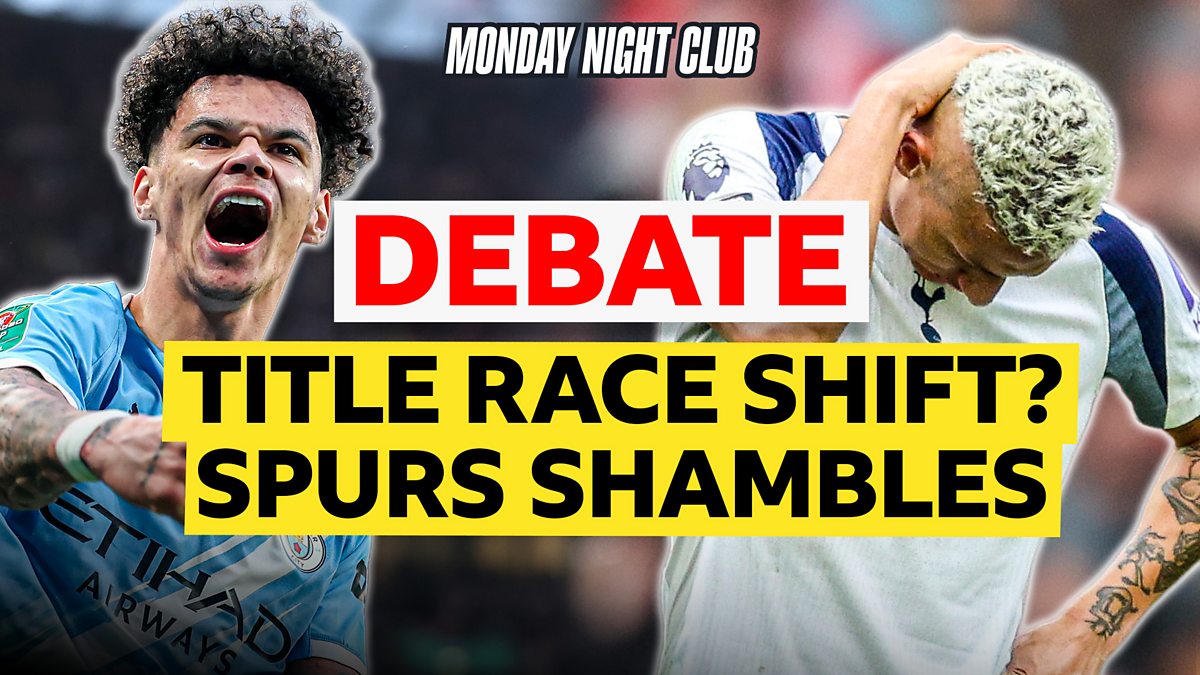
The Beautiful Game Needs More Unfiltered Chaos
Let’s be honest with ourselves for a second. Most football coverage in 2026 feels like it was written by a committee of HR representatives who are terrified of losing their parking spots. It’s sanitized, it’s safe, and it’s about as exciting as watching a side-back recycle possession in his own half for 90 minutes straight.
That is exactly why the Monday Night Club remains such a necessary punch in the mouth for the modern fan. While every other outlet is busy analyzing expected goals and heat maps that look like a toddler spilled cranberry juice on a grid, this show actually talks about the sport like we do at the pub. It’s loud, it’s opinionated, and it doesn't care if it hurts a few feelings along the way.
The latest episode reminded us that football isn't played on a spreadsheet. It’s played by people who make mistakes, managers who lose their minds, and fans who are one VAR decision away from a localized existential crisis. When you listen to the panel dive into the weekend’s carnage, you aren’t getting a lecture; you’re getting a post-match post-mortem that actually has a pulse.
The Death of the Corporate Talking Point
We’ve all seen the standard post-match interview. A player stands in front of a wall of sponsors and says 'the boys gave 110 percent' or 'we take it one game at a time' until your brain starts to leak out of your ears. It’s a specialized form of torture designed to say absolutely nothing while moving the lips.
The Monday Night Club is the antidote to that corporate sludge. They aren't afraid to call out a £100 million signing for looking like he’s running through wet cement. They don't mind pointing out that a tactical masterclass was actually just a lucky deflection and a referee who forgot his glasses in the dressing room.
There is a refreshing lack of ego in how they break down the tactical shifts of the big six. They understand that while inverted full-backs are trendy, they don't mean much if your center-back has the turning circle of a double-decker bus. It’s that grounded perspective that makes the analysis stick. You can find stats anywhere, but you can’t find this kind of genuine, unfiltered reaction just by looking at a box score.
Why We Still Care About the Monday Night Hangover
Monday is usually the worst day of the week for a football fan. The weekend highs have evaporated, and you’re left staring at a mountain of emails while your team’s defeat sits in your stomach like a bad kebab. The Monday Night Club turns that misery into entertainment. It’s the group therapy session we all need before the Tuesday night fixtures start the cycle all over again.
The chemistry on the panel is what sells it. It’s not just about the analysis; it’s about the disagreement. When two pundits get into a heated debate about whether a red card was 'soft' or 'a blatant assault,' you can feel the energy through the speakers. It’s the same argument happening in group chats across the country, just with better microphones.
They also have this uncanny ability to pivot from the Champions League glamour to the grim reality of a relegation scrap without missing a beat. They know that a 1-0 win on a rainy night in the Midlands can be just as significant as a five-goal thriller in Madrid. That range is what keeps the show relevant to every level of the pyramid.
The Tactical Nerdery vs. The Eye Test
I’m all for progress, but if I hear one more person talk about 'progressive passes per 90' without mentioning that the player in question can't hit a barn door from ten yards, I might retire from sports entirely. The Monday Night Club respects the data, but they prioritize the eye test. They see the fear in a young goalkeeper’s eyes or the moment a veteran midfielder decides he’s done chasing shadows for the day.
This isn't just about nostalgia for a 'tougher' era. It’s about recognizing that football is a game of moments and momentum. The show excels at picking apart those 15-minute windows where a match completely flips on its head. They don't just tell you what happened; they explain the psychological collapse that led to it.
Take the recent discussions on defensive high lines. While some tactical gurus will praise the bravery of a coach for sticking to his philosophy, the Monday Night Club will rightfully call it tactical suicide if the opposition has two wingers who could outrun a cheetah. It’s that common-sense approach that makes the show elite. They aren't trying to prove they are the smartest people in the room; they are trying to tell the truth about what they saw on the pitch.
The Future of Football Media is Human
As we move further into an age of automated highlights and AI-generated match reports, the value of a show like this only goes up. You can't program the kind of sarcasm and wit that comes from a live studio environment. You can't simulate the groan of a pundit watching a striker miss an open goal from 3 yards out.
People want to feel connected to the sport, and that connection comes through shared emotion. Whether it’s the joy of a last-minute winner or the absolute fury of a goal being ruled out for a toenail being offside, the Monday Night Club captures it all. They represent the voice of the fan who stays up too late, spends too much money on shirts, and cares far more than is probably healthy.
So, the next time someone tells you that football is just a business or a set of data points, point them toward the BBC iPlayer. Let them listen to a real conversation about the sport we love. It might be messy, it might be loud, and it might make you want to scream at your screen, but that’s exactly why it’s the best show on the air. It’s real football for real people, and in 2026, that’s a rare commodity.
Frequently Asked Questions
Why is The Monday Night Club considered different?
What makes the analysis on The Monday Night Club unique?
How does the show handle corporate media clichés?
Why do fans find the show entertaining on Mondays?
What role does panel chemistry play in the show's success?
More Reviews & Picks
Why Football Focus is finally dying after 52 years on the air
5 days, 8 hours ago
The death of Football Focus means your Saturday ritual is gone forever
1 month agoWhy Football Focus finally ran out of time after 52 years
5 days, 8 hours ago
Gary Neville is winning the podcast game while the pundits lag behind
1 month, 3 weeks ago