Why the race for seventh place in the Premier League is a chaotic mess

The absurdity of the coefficient chase
The Premier League table has become a strange mathematical puzzle. While the top four spots are usually the only ones that matter, the expansion of European competitions has turned the lower half of the top ten into a frantic scramble for relevance. As Mirror Football reported, there is a genuine path for the seventh-placed team to find themselves in the Champions League next season.
This scenario relies on a perfect storm of UEFA coefficient rankings and domestic cup outcomes. It is a convoluted mess that forces fans to root for teams they usually despise just to boost the league's overall standing. If England secures an extra spot through the performance of its clubs in Europe, the traditional hierarchy of qualification shifts significantly.
Newcastle United as the unlikely protagonist
Newcastle United currently sits in 10th place, a position that feels like a massive underachievement given the investment and the expectations surrounding St. James' Park. Yet, the math suggests they are still in the hunt. Their season has been defined by defensive lapses and a lack of depth that has been exposed by a grueling schedule.
Watching Newcastle struggle to close out games against mid-table opposition has been a recurring theme. The tactical rigidity shown by Eddie Howe at times this year has left supporters frustrated. They rely far too heavily on moments of individual brilliance from Alexander Isak or Anthony Gordon rather than cohesive team structure.
The flaws in the current system
The prospect of a seventh-place team making the Champions League highlights a fundamental issue within modern football governance. Qualification should be earned through consistent domestic performance, not through the back door of coefficient manipulation. It cheapens the competition when teams who have spent the better part of the year in the bottom half of the top ten are gifted entry to the biggest stage.
Moreover, the schedule congestion this creates is unsustainable. Players are being pushed to the brink of physical collapse, and the quality of play in the latter stages of the season often dips as a result. We are seeing more injuries and less tactical variety because managers are forced to rotate squads to survive the sheer volume of fixtures.
Analyzing the contenders
Beyond Newcastle, the likes of Chelsea and Brighton are also hovering in this purgatory of mediocrity. Chelsea, in particular, remain a riddle wrapped in a mystery of transfer spending. Their inability to find a consistent starting eleven has meant they drop points in games they should be winning comfortably.
Brighton, conversely, have suffered from the inevitable fatigue that comes with their first sustained European campaign. Their high-pressing style requires immense physical output, and it is clear that their squad depth has been stretched to its absolute limit. They are a team that looks like they need a long summer break more than they need a spot in next year's Europa League.
The final stretch
As we approach the business end of the season, the points gap remains narrow. A win or a loss can shift the table by three or four positions instantly. This volatility makes for entertaining television, but it masks the deeper issues of inconsistency that plague these clubs.
The 7th place finish is no longer just a consolation prize for a decent season. It has become a high-stakes gamble that could define the financial future of these clubs for the next three years. Whether or not it serves the integrity of the sport is an entirely different conversation, and one that UEFA seems uninterested in having.
Ultimately, the Premier League's mid-table battle is a reflection of a league that is trying to do too much. By expanding the pool of teams that can qualify for elite competitions, the authorities have diluted the prestige of the Champions League. It remains a fascinating spectacle for the neutral, but for those who value the meritocratic roots of the game, it feels like a hollow pursuit.
Read Next
- St. James' Park is checking the math as Newcastle's 7th-place dream takes flight
- Newcastle’s Champions League math is a beautiful, desperate mess
- Arne Slot’s Liverpool injury crisis just hit a breaking point at Brighton
- Amad Diallo is making it impossible for Erik ten Hag to ignore him
- ⭐ UCL 2026 — Champions League Quarter-Finals Hub
Funko Pop! Football: Manchester City - Erling Haaland
The goal-scoring machine from Man City, now in tiny vinyl form.
Frequently Asked Questions
How can the seventh-place Premier League team qualify for the Champions League?
What role does the UEFA coefficient play in Premier League European spots?
Why is Newcastle United still in the hunt for a European qualification spot?
What has hindered Chelsea's progress in the Premier League table this season?
How has European football impacted Brighton's performance in the league?
More Coverage

Anthony Gordon to Barcelona marks a high-stakes gamble
38 minutes ago
Arsenal vs PSG: Why tactical rigidity will determine the European champion
38 minutes ago
Arsenal's 104 million gamble on Julian Alvarez is pure chaos
38 minutes ago
Arsenal and PSG are locked in a tactical chess match for the trophy
2 hours ago
Top 10: The Definitive Arsenal Moments of the 2025/26 Season
2 hours ago
Newcastle are burning the furniture to keep the house warm
2 hours agoMore Match Reports
St. James' Park is checking the math as Newcastle's 7th-place dream takes flight
2 months, 1 week ago
Newcastle’s Champions League math is a beautiful, desperate mess
2 months, 1 week ago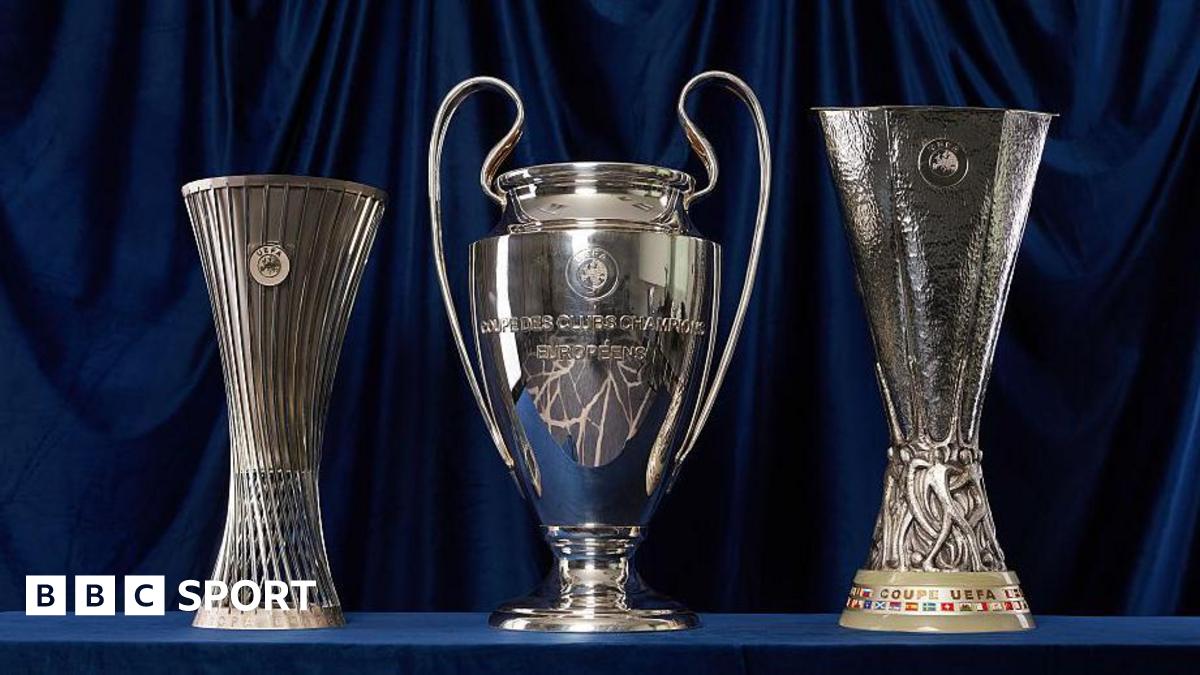
The math behind the Premier League quest for 10 European spots
1 month ago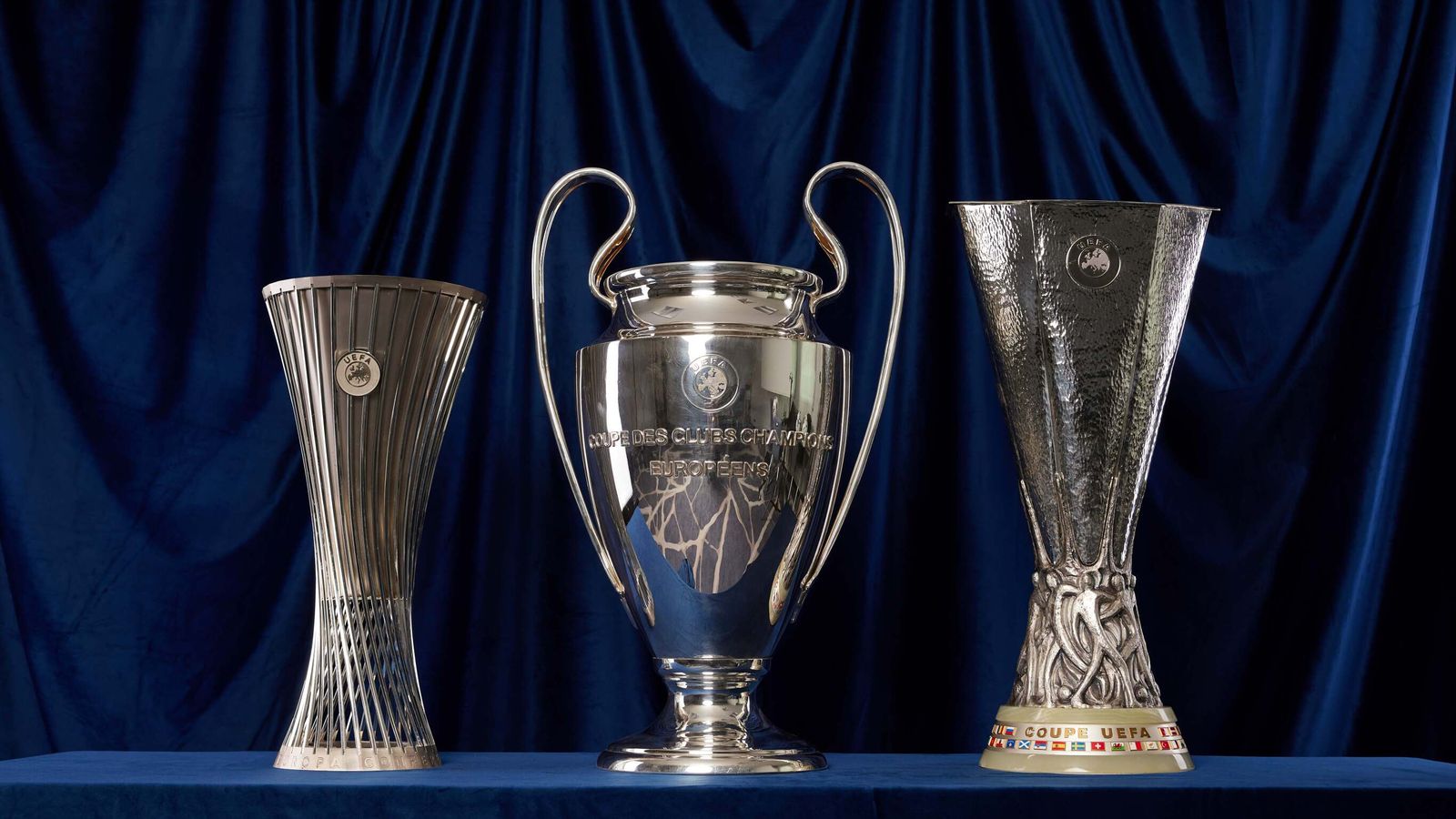
Why sixth place is suddenly the holy grail as Chelsea host Newcastle
3 weeks, 4 days ago
The Premier League just broke the Champions League and fans are losing it
1 month, 3 weeks ago