The coefficient calculator is the new tactical board
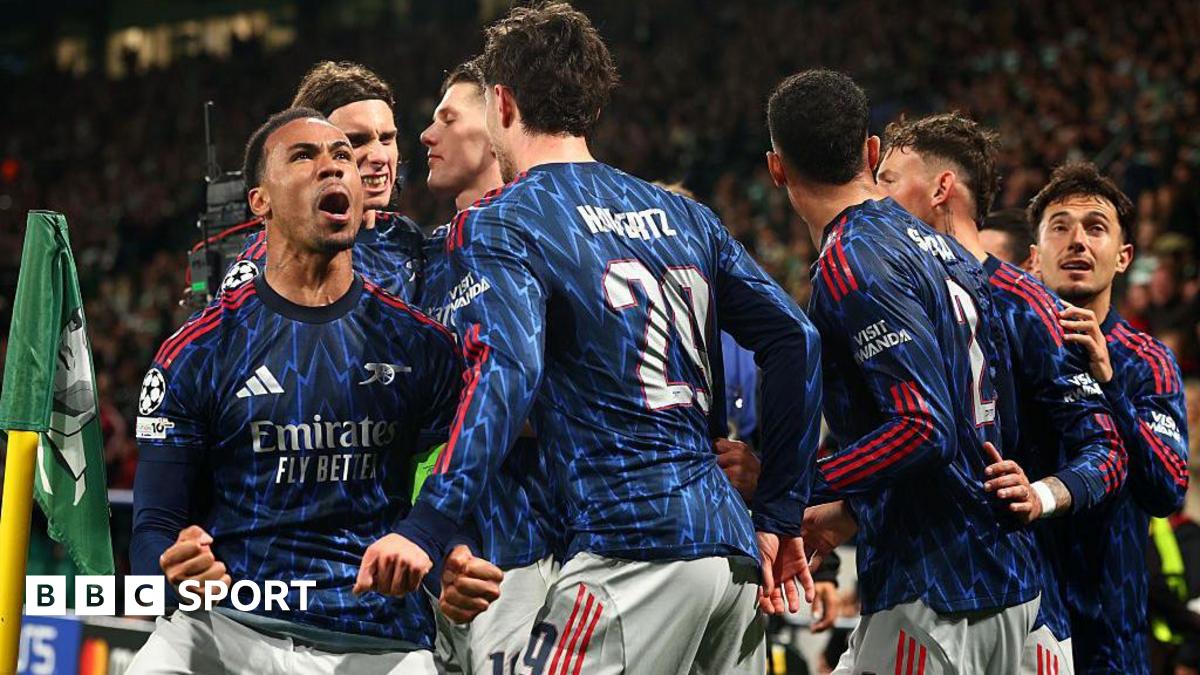
Two days before the Champions League semi-finals kick off, the conversation in the Premier League has shifted from the pitch to the spreadsheet. We are no longer just watching matches; we are watching coefficients. On this Sunday, April 26, 2026, the possibility of a ten-team English contingent in Europe next season has moved from a fever dream to a mathematical reality. As the BBC recently noted, the idea of ten teams sounds preposterous, but the structural shifts in UEFA’s competition format have opened a door that used to be bolted shut.
Managers like Unai Emery and Eddie Howe aren't just looking at the next three points. They are looking at the performance of every other English club in continental competition. When Manchester City or Arsenal step out for their semi-finals on Tuesday, they carry the weight of the entire mid-table on their shoulders. A win for the giants is a potential lifeline for the teams currently sitting in 8th, 9th, and even 10th place.
The mechanics of the ten-team surge
To understand how we get to double digits, you have to embrace the chaos of the European Performance Slots. Under the current system, the two associations with the best collective performance in Europe from the previous season earn an extra Champions League place. England has historically dominated this metric, often turning the 'Top Four' race into a 'Top Five' procession. But the chain reaction doesn't stop at the elite level. It trickles down through the Europa League and the Conference League like a cascading waterfall of fixture congestion.
The path to ten teams requires a perfect storm of domestic and continental results. First, the Premier League must secure one of those extra Champions League spots. Second, the winners of the FA Cup and League Cup need to finish inside the top seven. Finally, we need English winners in the Europa League or Conference League who finish outside the traditional qualifying spots. It is a house of cards built on the coefficient, but with the semi-finals looming, the cards are starting to stack up in favor of a bloated European roster.
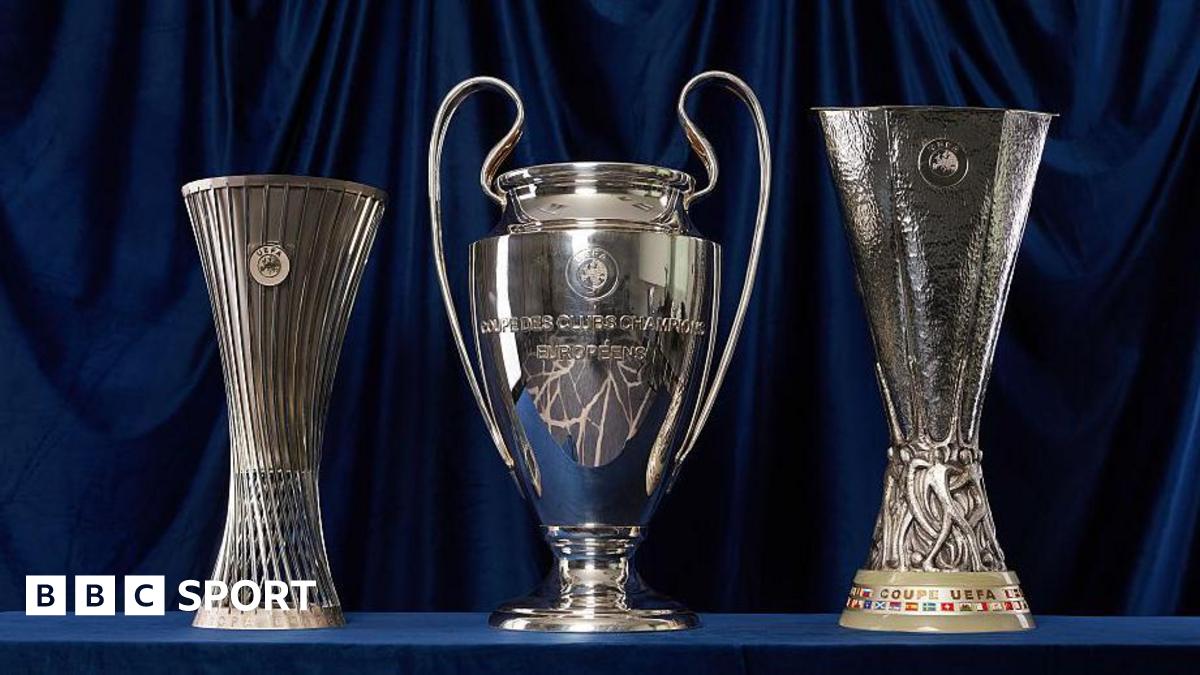
Ten Premier League teams in Europe? It sounds preposterous, but it is not as far-fetched as it seems.
This expansion isn't just a curiosity for the fans. It is fundamentally changing how clubs approach the final month of the season. Teams that would usually be 'on the beach' by late April are suddenly finding themselves in a fight for 9th place that actually matters. The intensity hasn't dropped because the carrot at the end of the stick has been lengthened. We are seeing high-intensity pressing from sides like Brighton and Newcastle, even when their traditional hope of Europe seemed dead a month ago.
The tactical cost of European inflation
There is a darker side to this expansion that often gets ignored in the rush for more broadcast revenue. The tactical quality of the Premier League is arguably suffering under the weight of this relentless schedule. When 50% of your league is playing on Thursday nights in Azerbaijan or Norway, the Saturday morning kick-off becomes a battle of attrition rather than a tactical masterclass. We are seeing a rise in soft tissue injuries and a noticeable drop in sprint distances during the second half of matches.
Rotation is no longer a luxury; it is a survival mechanism. Managers who refuse to adapt their high-pressing systems are being punished. We saw this with Postecoglou’s Spurs earlier in the cycle, where the insistence on a 60-yard high line with fatigued center-backs led to a disastrous run of results. The clubs that will thrive in a ten-team European reality are those with deep, versatile squads and medical departments that can perform miracles on a 48-hour turnaround. For the smaller clubs pushing for 10th, the reward of a Conference League spot might actually be a poison chalice that ruins their domestic campaign the following year.
The dilution of the European dream
We have to be honest about the prestige here. If half the league qualifies for Europe, does the achievement still carry the same weight? There was a time when a Tuesday night under the lights meant something because it was exclusive. Now, it feels like a participation trophy for being slightly better than mediocre. Finishing 10th and getting a tour of the continent's secondary stadiums doesn't feel like progress; it feels like a logistical nightmare for a squad that lacks the depth to compete on three fronts.
The FA Cup Final on May 16 will be the final piece of the puzzle. If the winner has already secured a Champions League spot through the league, the Europa League place drops down the table. This constant shifting of the goalposts makes the league table feel like a living document that won't be finalized until the last whistle of the season. It creates a frantic energy, but it also creates a sense of uncertainty that can be paralyzing for clubs trying to plan their summer recruitment.
Looking at the current coefficient standings, England is in a dogfight with Germany and Italy for those performance slots. Every goal scored in the upcoming semi-finals is worth a fraction of a point that could determine the fate of a team like West Ham or Chelsea. It is a strange era where a Newcastle fan finds themselves cheering for a Manchester City goal just to keep their own European hopes alive. The tribalism of the sport is being eroded by the shared necessity of the coefficient.
The final sprint to May
The fixture list for the next three weeks is punishing. We have teams playing four games in twelve days, often with travel across the continent sandwiched in between. The tactical focus has shifted from intricate build-up play to basic game management. We are seeing more 'professional' performances—low blocks, time-wasting, and cynical fouls—as managers prioritize the result over the process. They know that in this new math-heavy environment, the result is all that matters for the bottom line.
If we do end up with ten teams, the 2026/27 season will be a total departure from anything we've seen before. The Premier League will essentially become a feeder system for UEFA's revenue machine. While the owners will enjoy the extra cash, the fans might find themselves pining for the days when 4th place was the ultimate prize. The thrill of the chase is being replaced by the drudgery of the schedule.
A cynical prediction for the coefficient race
Despite the mathematical possibility, I don't think we hit the ten-team mark. The sheer weight of the schedule will cause at least two of the English contenders to stumble in the final hurdles of their European campaigns. The coefficient math is fickle, and one bad night in Munich or Madrid can wipe out months of progress. I expect England to settle for 9 spots next season, which is still an absurd number that will stretch the league to its breaking point.
My confident call? One of the teams currently fighting for 8th or 9th will actually regret qualifying. They will spend their entire summer budget on squad players to handle the Thursday-Sunday rotation, only to find themselves in a relegation scrap by Christmas. The math says ten is possible, but common sense says it’s a disaster waiting to happen. We are about to find out if the Premier League can actually handle the volume of its own success.
The 87th minute of the final matchday will likely be the moment we finally know the truth. Until then, keep your calculators handy and your expectations low. The football might be exhausting, but the math is undeniably fascinating. Just don't expect the quality to keep pace with the quantity.