
Why your favorite club's new merch is starting to look like a digital fever dream

The merch game has officially left the stadium
Remember when buying a football shirt meant picking between the home kit, the away kit, and perhaps a slightly questionable training jacket if you were feeling particularly festive? Those days are rotting in the archives of history. Today, the intersection of football, high fashion, and digital pop culture has created a commercial landscape that would have been unrecognizable to a fan walking into the club shop in 1995.
We are currently witnessing a total pivot in how clubs and brands approach the concept of the 'fan uniform.' It is no longer just about what happens on the pitch; it is about lifestyle, aesthetic, and the aggressive pursuit of the crossover audience. Whether it is Liverpool partnering with New Era for a curated headwear line or CHARLY weaving ancient mythology into the fabric of Liga MX, the message is clear: football is now a lifestyle brand, and your wardrobe is the primary battleground.
The move toward the 'lifestyle' aesthetic
Take Liverpool’s recent collaboration with New Era. This isn't just about sticking a Liverbird on a baseball cap and calling it a day. It is a calculated move to capture the 'off-duty' fan—the person who wants to signal their allegiance to Anfield while grabbing a coffee or walking through the city center without looking like they are heading to a five-a-side match. The inclusion of 'You’ll Never Walk Alone' detailing is the hook, but the styling is the bait. It is subtle, it is wearable, and it is designed to exist outside the 90-minute window of a match day.
This shift is even more pronounced in Mexico, where CHARLY has taken a bold swing with their 2025 Heritage Collection. By leaning into motifs like Quetzalcoatl, the brand is doing something far more sophisticated than standard merchandise. They are tapping into a cultural identity that transcends the sport itself. When you wear a shirt featuring the feathered serpent, you aren't just wearing a team crest; you are wearing a piece of history. It is a masterclass in emotional marketing that makes the standard mass-produced polyester kits look, quite frankly, a little hollow.
The modern football shirt is no longer a piece of athletic equipment; it is a canvas for identity, nostalgia, and increasingly, digital subculture.
When Tekken meets the pitch
If you thought the CHARLY collection was a departure from tradition, look at what Dyenamik is doing with their TEKKEN 8 football shirt collection. We are talking about 12 jerseys inspired by legendary fighters like King, Eddy Gordo, and Marshall Law. This is the final frontier of the 'crossover' era. It is a direct appeal to the gaming demographic that has been historically ignored by traditional kit manufacturers.
Critics might roll their eyes and call it a gimmick, but they are missing the point. The TEKKEN fanbase is massive, global, and fiercely loyal. By synthesizing the aesthetic of a fighting game with the silhouette of a football kit, Dyenamik is creating a product that serves as a badge of honor for two distinct, yet overlapping, communities. It is loud, it is irreverent, and it is exactly the kind of risk-taking that keeps the apparel market from stagnating into a sea of boring, template-based designs.
The danger of over-saturation
However, we have to address the elephant in the room: the sheer volume of 'special edition' gear. When every month brings a new 'collection,' the exclusivity factor begins to wane. A club like Liverpool has the brand equity to pull off a New Era collab, but the market is becoming increasingly crowded. When everything is a 'limited drop,' nothing is truly limited. We run the risk of turning football fandom into a fast-fashion treadmill, where we are expected to buy a new aesthetic every time a marketing department decides it is time to boost quarterly revenue.
Furthermore, there is a delicate balance to be struck between innovation and heritage. Fans are generally open to new designs—look at how Venice (Venezia FC) basically saved their entire financial future by becoming the coolest fashion house in world football—but they are also protective of their history. If a brand tries too hard to be 'edgy' or 'lifestyle-focused' without respecting the core identity of the club, they get roasted in the comments section faster than a manager who plays a high line with no pace.
The path forward
Despite the risks, the trend is undeniably moving toward more creative, niche-focused apparel. We are moving away from the era of 'corporate template' kits toward a more fragmented, personalized market. In the next few years, I expect to see even more collaborations that feel completely disconnected from the sport on the surface—music, gaming, fine art, and high-street fashion will continue to bleed into the locker room.
For the fan, this is a golden age of choice. You can represent your club with a subtle, low-key cap for your day job, a high-concept heritage jersey for the weekend, or a wild gaming-inspired shirt for your next convention. The days of the singular, boring replica kit are gone. Football is finally realizing that its biggest asset isn't just the game itself—it's the massive, diverse, and style-conscious audience that follows it across the globe. As long as the quality holds up and the designs don't lose the plot, I am all for this chaotic, creative, and expensive new reality.
Adidas Unisex-Adult MLS League Soccer Ball
A durable, high-quality ball perfect for weekend pickup games.
Frequently Asked Questions
Why are football clubs shifting toward lifestyle-focused merchandise?
How does the Liverpool and New Era collaboration target fans?
What is the significance of CHARLY's 2025 Heritage Collection?
Why are football kits being inspired by video games like Tekken?
How has the definition of a football shirt changed since 1995?
More Coverage
EA FC 25 Review: Sweaty Matches and Rush Mode
1 week agoWhen your central midfielder is also signing the payroll checks
1 week, 3 days agoThe 2026 Football Survival Kit: UCL Semis to the World Cup
1 month, 1 week agoGear Up: Five Essentials for Every Football Fan
1 month, 2 weeks ago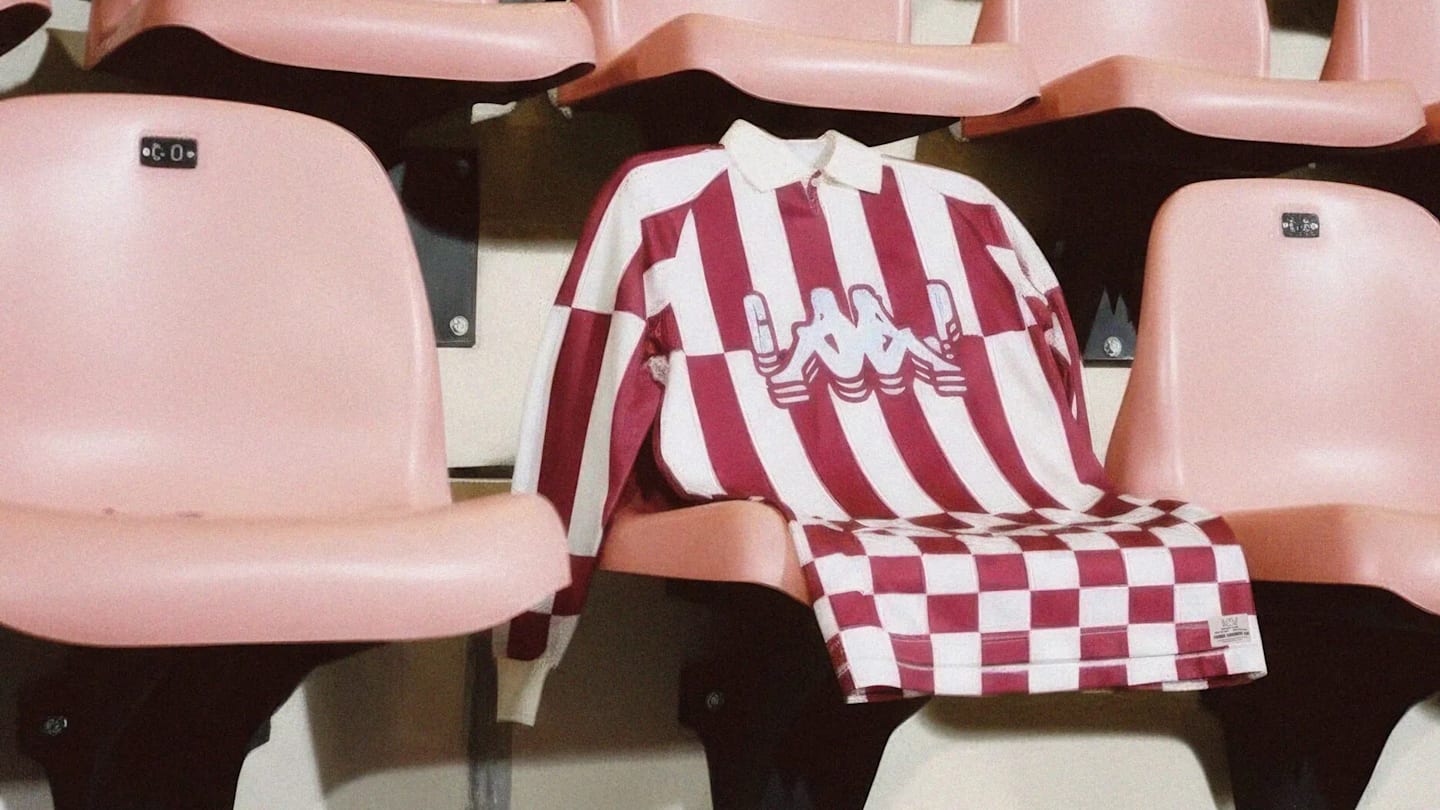
Why fashion brands are obsessed with football's aesthetic nostalgia
2 months, 1 week ago
Why the Kappa and Cruel Pancake collab feels like a missed opportunity
2 months, 1 week agoMore Analysis

From Anfield to the arena: Why fans are loving these wild kit collaborations
2 months, 1 week ago
Why fashion brands are obsessed with football's aesthetic nostalgia
2 months, 1 week ago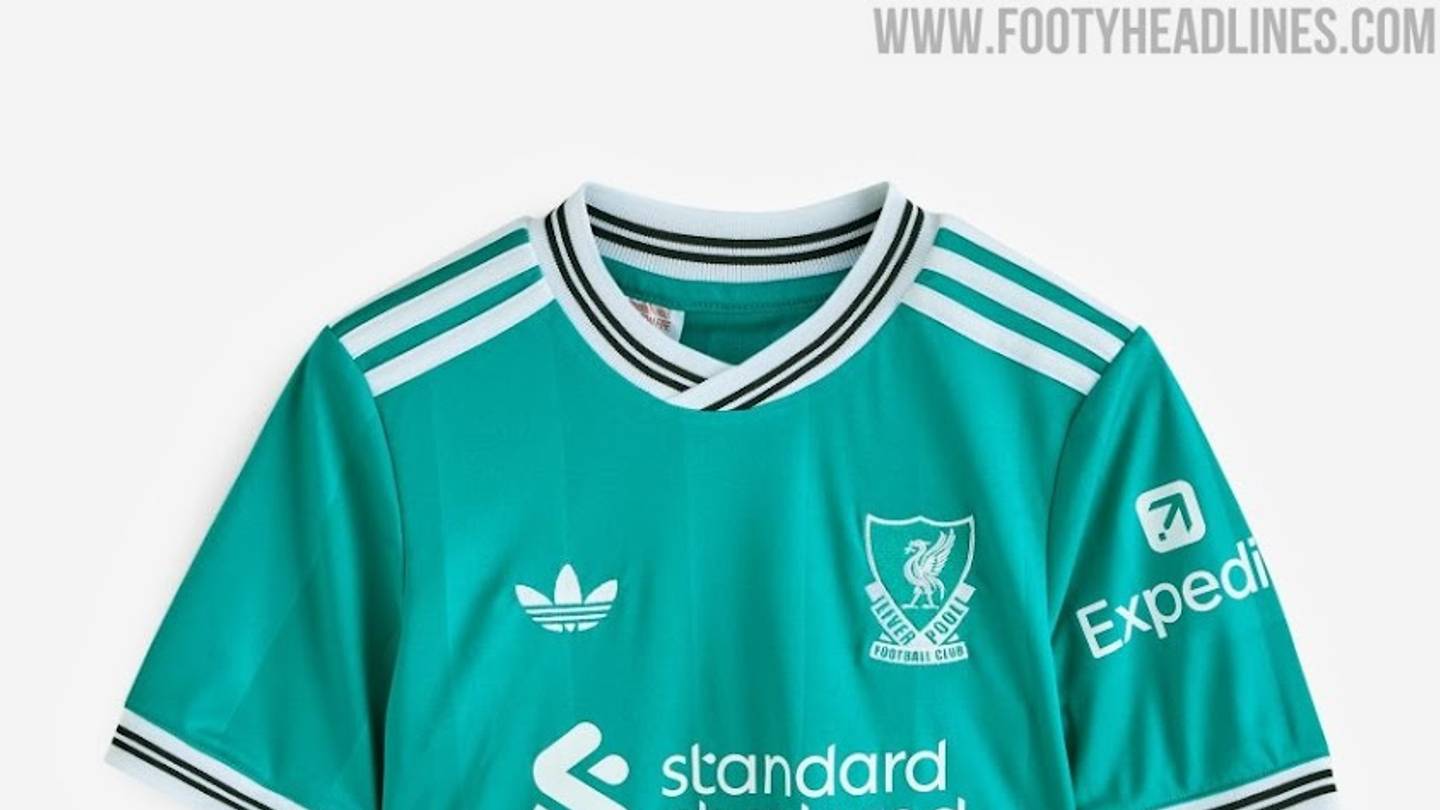
Liverpool’s 2025 kit leak proves nostalgia is the only currency left
2 months, 1 week ago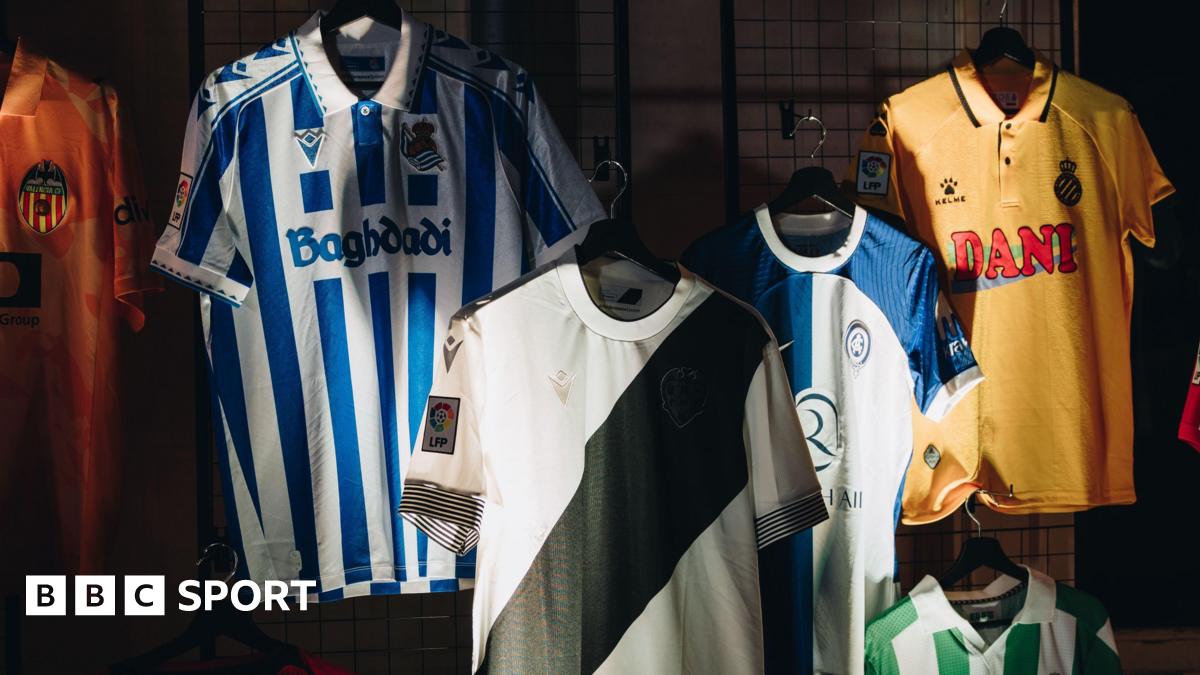
La Liga's retro weekend is a preview of football's next major cash grab
1 month, 3 weeks ago
Why the Kappa and Cruel Pancake collab feels like a missed opportunity
2 months, 1 week ago