A Premier League Problem vs a Non-League Reality
We hear it every single week from the millionaires in the top flight. The schedule is too demanding. The grass at the Etihad was cut three millimeters too short. The sports science department didn't optimize the recovery shakes quickly enough after a grueling flight back from Madrid.
Managers complain about fixture congestion like they are being forced to work in a coal mine, rather than managing squads assembled for over a billion pounds.
And look, I get it. Elite football is a meat grinder. The margins are razor-thin. When you are competing in the Champions League, every tiny detail matters.
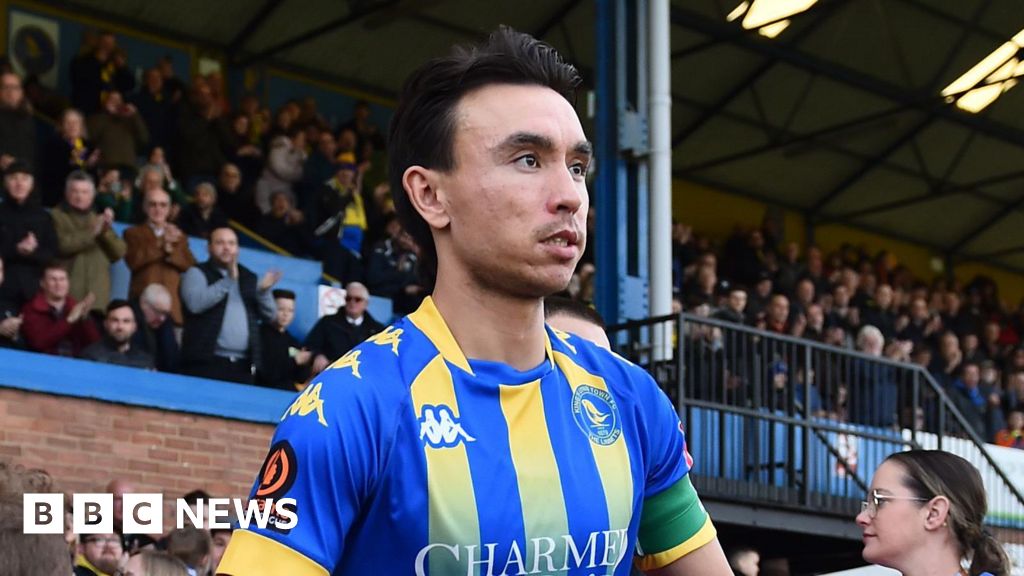
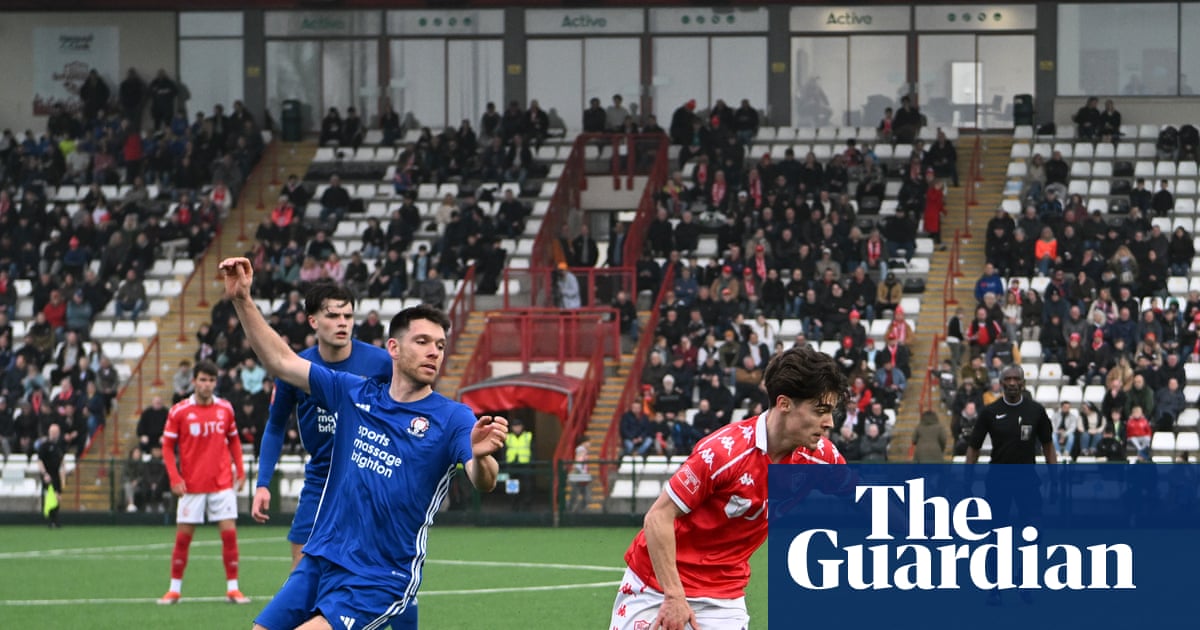
But excuse me if I save my sympathy for the absolute lunacy currently unfolding down in the English non-league pyramid. The internet has been buzzing all week about the ultimate lower-tier flex: a gritty, muddy central midfielder who also happens to be the Chief Executive Officer of the football club.
This isn't Football Manager. You can't just click a button and assign dual roles while sipping a Diet Coke in your bedroom. This is real life.
Imagine taking a horrific, studs-up challenge to the shin on a freezing Tuesday night in November. You are lying in the mud, clutching your leg, screaming at the referee. And then, as the physio sprays that magical cold water on your calf, you remember you have a Zoom call at 8 AM tomorrow with the local council about a disputed waste management bill for the stadium bins.
The Tactical Nightmare of Human Resources
We have romanticized the "Player-Manager" for decades. Kenny Dalglish winning the double at Liverpool. Graeme Souness substituting himself on just to violently tackle someone. Even Wayne Rooney having a brief, chaotic stint doing both at Derby County.
But Player-Manager is purely a footballing job. You pick the team, you shout at the team, you play for the team.
Player-CEO is a completely different universe of stress. You aren't just picking the starting eleven. You are legally responsible for making sure the starting eleven actually gets paid on Friday.
I want you to really think about the logistical nightmare of this dynamic. You are the box-to-box engine of the squad. Your job on the pitch is to win the ball back, distribute it, and occasionally foul the opposition's tricky winger to stop a counter-attack.
Your job off the pitch is human resources, corporate governance, and securing a front-of-shirt sponsorship from a regional double-glazing firm.
How does a contract negotiation even work in this scenario?
Does our guy sit down at a slightly wobbly desk in a portable cabin behind the main stand, wearing a suit, and negotiate with himself? Does he demand a goal bonus from his own budget? Does he threaten to go on strike if the CEO doesn't meet the player's wage demands?
And what happens in the dressing room? The manager—who technically reports to the CEO—has to give a halftime team talk. If the team is getting absolutely battered by King's Lynn Town, the manager has to walk in and blast the players.
He has to look his own boss in the eye and tell him his passing has been absolute garbage. He has to tell the man who signs his checks that he is getting overrun in the midfield and is getting hooked at the hour mark if he doesn't track back.
That is a level of workplace toxicity that would make a corporate HR department spontaneously combust.
The Broken Economics of the Lower Leagues
You have to love the sheer, unadulterated madness of non-league football. It is the last refuge of the sport's working-class soul.
While Chelsea are busy amortizing an eight-year contract for a Brazilian teenager who won't even play until 2028, down in the eighth tier, survival is a daily street fight.
Every single penny counts. If a match gets rained out, the club doesn't just lose momentum. They lose the pie and pint revenue that pays the electricity bill for the floodlights.
So when a club is bleeding money, what do they do? They consolidate. They look at the wage bill and say, well, Dave already knows how to two-foot a winger, maybe he also knows how to file a VAT return.
You have to be deeply unhinged to accept this job. You have to love the club more than you love your own sanity.
But let's pull the brakes on the romance for a second. Because while this makes for a hilarious viral tweet and a great pub story, it is actually a massive indictment of the English football pyramid.
We shouldn't be cheering this. We should be furious.
The Premier League just signed another television deal worth billions. The top division is swimming in so much cash they are literally inventing new accounting tricks just to spend it all without breaching Profitability and Sustainability Rules.
Meanwhile, the grassroots foundation of the sport is starving to death. Clubs that have existed for a hundred years are going out of business over tax bills that wouldn't cover a single afternoon of Marcus Rashford's wages.
Historic community institutions are being wound up in the High Court for unpaid HMRC bills of fifty thousand pounds. Meanwhile, top-flight agents are taking home ten million just for convincing a player to sign a piece of paper.
The fact that a club is forced to hand its executive operations to a part-time midfielder isn't a quirky feature of the game. It is a massive structural failure. It is a blinking red light of desperation.
Yet, the show goes on. Because football people are fundamentally stubborn.
Think about the sheer physical toll. The guy plays 90 minutes on a heavy, waterlogged pitch. His hamstrings are screaming. His knees are clicking like a faulty radiator.
Normally, a player gets to go home, play some video games, and ice his legs.
Not our CEO. He has to shower quickly because the hot water only lasts for twenty minutes. Then he has to put on a club tie, head up to the hospitality suite, and pretend to laugh at the terrible jokes of the local butcher who sponsors the match ball.
He has to shake hands, kiss babies, and explain to angry season ticket holders why the pies were cold at halftime. He has to smile politely at the local plumbing magnate who bought the VIP package, nodding along to terrible advice about playing a high line, all while nursing a dead leg and wondering if he has a minor concussion from a clash of heads in the fortieth minute.
The Ultimate Transfer Window Conflict
Let's talk about the transfer window. This is where the dual role goes from stressful to completely psychotic.
Normally, a CEO works with a Director of Football to identify targets. They look at spreadsheets. They negotiate with agents.
Our guy doesn't have a scouting department. His scouting department is getting kicked by an opposition player on a Saturday afternoon and thinking, man, this lad has a great engine, I should sign him.
Imagine being an opposition midfielder. You are having a blinder. You've scored a worldy from twenty-five yards. You've been dominating the center of the park all afternoon.
After the final whistle, the guy you've been battling for 90 minutes walks up to you. He's covered in mud, bleeding from his eyebrow, and he asks you if you'd be interested in a £150-a-week contract and a guaranteed starting spot next season.
He is handing you a business card out of his soggy shorts. He is pitching you the club's long-term commercial strategy while spitting out a chunk of turf.
And then there is the ultimate conflict of interest. What happens when the Player-CEO realizes he is no longer good enough to start?
Does he authorize the funds to sign his own replacement?
He has to sit before the board on a Tuesday night at the local pub and admit his pass completion rate is dropping. He has to strongly advise them to allocate the remaining budget to sign a 19-year-old from the league below who is going to completely bench him.
That is a level of self-awareness that simply does not exist in professional sports. Cristiano Ronaldo threw a highly publicized temper tantrum and burned his Manchester United legacy to the ground rather than accept a spot on the bench.
Meanwhile, this bloke in the National League is literally filing the paperwork to end his own playing career.
And dealing with lower league agents? Good luck. They are a special breed of delusional. They are constantly trying to sell you a striker who scored twelve goals in the Isthmian League three years ago but hasn't played since because he went on a reality television show.
The CEO has to sit there, listen to the pitch, and then politely decline because he knows for a fact that the club's entire transfer budget is currently tied up in fixing the leaky roof in the main stand.
And God forbid he gets sent off.
Imagine the sheer comedy of a straight red card. He mistimes a sliding tackle. The referee pulls out the red.
As he walks down the tunnel, the crowd is booing him. The opposition is laughing at him. And in his head, he isn't just thinking about the three-match ban.
He is walking down the tunnel doing the mental math. The FA is going to fine the club for failure to control their players, and he is the one who has to authorize the bank transfer to pay it. He is literally fining himself.
He has to explain this to the club accountant on Monday morning. He has to justify a disciplinary expenditure that he personally incurred because he lost his temper at a nineteen-year-old winger on loan from Stevenage.
Does the board of directors dock his wages? Does he have to write a formal letter of apology on club letterhead, sign it as the player, and then receive it as the CEO?
The Beautifully Chaotic Reality
We are just weeks away from the kickoff of the 2026 FIFA World Cup in North America. We are about to be subjected to wall-to-wall coverage of the most expensive, highly-produced football tournament in human history. We will see stadiums that cost a billion dollars to build. We will see tactical breakdowns of inverted fullbacks on giant interactive screens.
And while all that plastic, sterile perfection is being broadcast to a billion people, the real soul of the sport will be grinding away in pre-season friendlies across the rainy fields of England.
We live in an era where football has never been more sanitized. The top level is a sterile television product, analyzed by tactics nerds moving digital circles on a touch screen.
But down in the mud, the game is still gloriously, beautifully chaotic.
It is a world held together by volunteers, masking tape, and individuals willing to ruin their own weekends for the badge. It requires a level of dedication that borders on clinical insanity.
So here is to the Player-CEO. The ultimate multi-tasker. The man who can organize a low block and a high-yield savings account simultaneously.
Long may he run the midfield, and the boardroom. Just don't ask him to fix the plumbing in the away end, because he's got a hamstring to nurse.