The Countdown Begins
The clock is officially ticking. In exactly 24 days, the bloated, sprawling, and highly anticipated 2026 World Cup kicks off across North America. Right now, we are in the thick of announcement season. National team headquarters are hosting back-to-back press conferences as managers finalize their rosters.
The BBC has officially opened its tracker for the final squads, a digital ticker tape of dreams realized and broken. With the expansion to 48 teams, the sheer volume of names dropping this week is staggering. We are talking about 1,248 players heading to the United States, Canada, and Mexico.
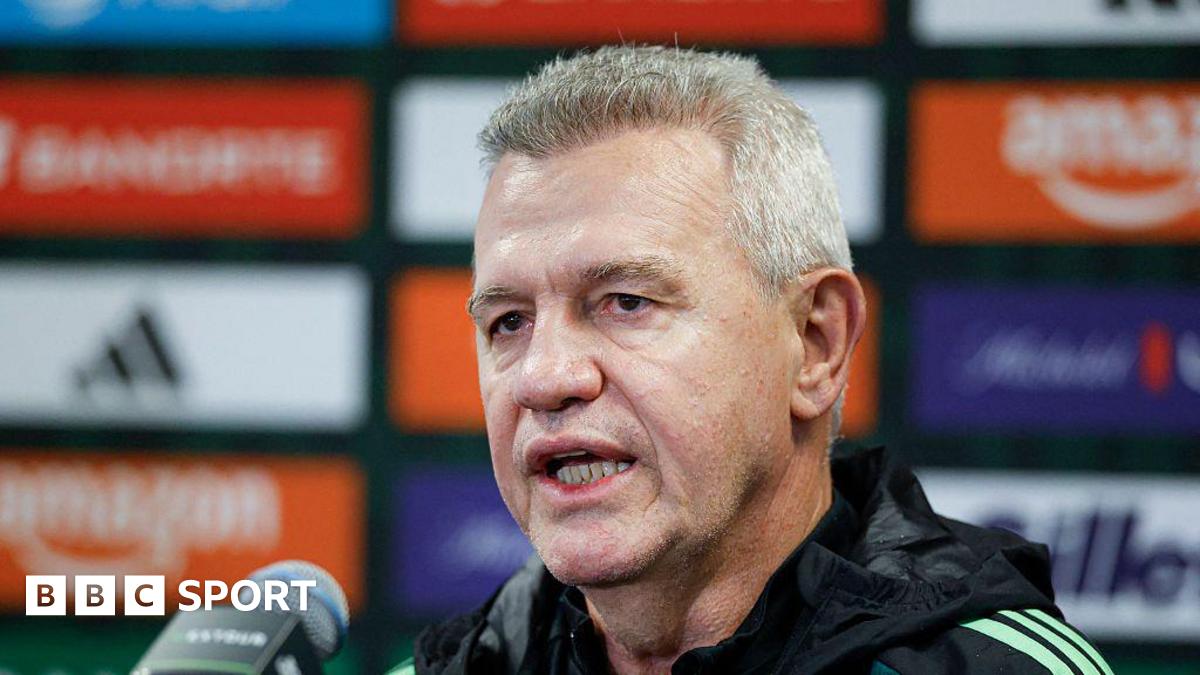
The press conferences themselves have morphed into strange theatrical events. Gone are the days of a simple fax to the media. Managers sit behind desks, armed with tactical justifications for why a fan favorite was left at home. Every single decision is magnified.
Consider the atmosphere in these rooms. The manager walks in, sits down, and a hush falls over the assembled media. The list is distributed. Immediately, eyes scan for the missing names. The first question is never about who is there. It is always about who is not.
Managers know this. They prep for it. They come armed with rehearsed lines about difficult conversations and respecting a player's contributions. A national team manager in a World Cup year is under immense scrutiny. A defensive answer about an omitted player can dominate the news cycle for days.
The Tactical Shifts in the Expanded Era
We saw the expanded roster introduced previously, but now it is a permanent fixture. When you listen to the managers speaking this week, a common theme emerges. Flexibility is the ultimate currency.
You cannot afford to bring passengers. In a tournament stretched across three massive countries, travel fatigue will dictate team selection as much as tactical fit. A player who can operate as a right-back and a holding midfielder is suddenly invaluable. Specialists are being left behind in favor of utility.
Look at the reigning champions. The messaging from the South American camps has been heavily focused on managing minutes. The high-pressing game that defined the winter tournament in Qatar is much harder to execute in the humid North American summer.
The European heavyweights face a different puzzle. Thomas Tuchel has taken on the massive job with England. The focus is entirely on physical readiness. The Premier League season has been grueling. Players are arriving at the training camps running on fumes.
Let's look at the host nations. The United States Men's National Team is facing extreme pressure. Playing a World Cup on home soil is a generational opportunity. The press conferences out of Chicago are tense affairs. The expectations are sky-high. The manager has to balance the hype with the cold reality of knockout football.
Canada, meanwhile, is looking to build on their 2022 appearance. Their media engagements are more optimistic, but the questions are pointed. Can they actually compete, or are they just happy to host?
Mexico's situation is always highly charged. The demands from the passionate fanbase and the aggressive sports media mean the manager is constantly under fire. Their squad reveal is less of an announcement and more of a national debate.
The Brazilian squad announcement was an event in itself. The five-time champions are always expected to win, but this current iteration is facing a crisis of identity. The domestic press tore into the manager's selections, questioning why Europe-based reserves were picked over in-form domestic stars. The tension in the room was electric. You could feel the weight of history bearing down on every single name called out.
In contrast, the debutant nations are experiencing pure euphoria. For teams making their first appearance, the press conference is a celebration. The manager isn't defending omissions; they are coronating local heroes. It is the one pure moment of joy before the brutal reality of tournament football sets in.
The Dilution of the Group Stage
This is where we have to be honest about what FIFA has created. The expanded format is a logistical triumph and a sporting compromise. By expanding the field, the barrier to entry has been lowered. We are going to see some severe mismatches in the opening weeks.
The squad announcements reflect this. You have top-tier nations debating whether to leave world-class talents behind, while debutant nations are filling out their rosters with semi-professionals and lower-league journeymen.
The group stage has lost its jeopardy. With third-place teams potentially advancing, the opening matches could become cautious, defensive exercises. Managers know they do not necessarily need to win their group to progress. They just need to avoid disaster.
This defensive mindset bleeds into the squad selections. We are seeing an influx of holding midfielders and pragmatic defenders in the final lists. The managers are just playing the hand they were dealt by the suits in Zurich.
Travel, Heat, and the Ultimate Test
Every press conference this week has touched on the logistics. The travel schedule is brutal. A team could play in Seattle, fly to Los Angeles, and then head down to Mexico City. The climate variations are extreme.
Managers are factoring this into their selections. You need players who recover quickly. Sports science departments are playing a massive role in these final decisions. If a player is carrying a knock, they are being left behind. The risk is simply too high when you factor in the air miles.
The brutal reality of the announcement window is the injuries. Players who spent four years bleeding for their country in qualifiers are missing out due to a late muscle tear in May. The questions from the floor at these press events always drill down into the medical reports.
The Tactical Evolution
Football in 2026 is faster and more system-dependent than ever. Ten years ago, a manager might bring a purely instinctive attacker who doesn't fit the defensive shape but might create a moment of magic. Those players are going extinct. The pressing triggers are too complex.
You only have to look at how the top club sides operate. The international game used to be a slow, methodical affair. Now, the intensity of the Champions League has trickled down. If your frontline doesn't press in a coordinated trap, you will be carved open by any competent midfield. Managers are using these press conferences to educate the media on this reality.
During these squad reveals, you hear managers talking constantly about specific profiles. They don't just want a midfielder; they want a specific type of ball-carrier. If a player doesn't fit a specific profile needed for the system, they don't go. Talent alone is no longer enough.
This rigid adherence to systems has led to some high-profile casualties this week. Top scorers in mid-table leagues are sitting at home because their pressing metrics aren't up to standard. The managers stand at the podium and point to the data.
Every squad for the 2026 World Cup in the United States, Canada and Mexico as they are announced.
That is the clinical line from the latest update, but it hides the immense human drama unfolding behind the scenes. Every single name on those lists represents a career-defining moment.
The Medical Gamble
Then there is the medical gamble. The manager is asked about a star player who is carrying an injury. They will try to project confidence, but bringing an injured player is a massive risk. It burns a squad spot. If they break down in the first training session, that spot is gone.
We have seen this backfire spectacularly in previous tournaments. Managers allowing their hearts to overrule their heads, bringing a half-fit legend who ultimately contributes nothing but distraction. The press zero in on these decisions.
The expanded format adds a new layer to this. With a potentially longer path to the final for the successful teams, squad rotation is non-negotiable. An injured player taking up a spot limits that rotation. It forces tired legs onto the pitch in the later rounds.
We also have to acknowledge the commercial realities dictating some of these choices. A superstar player, even at fifty percent fitness, sells shirts. They dominate the promotional material. The pressure from national federations to include these marketable assets is immense.
Managers will deny this at the podium, insisting every decision is purely footballing. But anyone who understands the business of the sport knows that is a lie. The federations need the engagement. The manager is caught in the crossfire, forced to balance the tactical needs of the team with the financial imperatives of the governing body. It is a cynical calculation masked as a sporting decision.
The Final Countdown
As the last few squads are locked in, the talking stops. The media circus packs up the microphones. For the managers, the sleepless nights are just beginning. They have picked their 26-man squads. They have defended their choices to the press.
Now, they have to get the players on the training pitch and make it work. The logistical hurdles of North America await. The pressure of the world is on their shoulders. Every single substitution will be endlessly debated.
In three weeks, the ball rolls. The decisions made in these sterile press conference rooms this week will be tested in the relentless heat of the World Cup. Some managers will look like geniuses. Most will be packing their bags early, left to wonder if they should have picked a different group.
Read Next
- Forget the group stages, the World Cup knockouts will be a tactical bloodbath
- Mexico at the Azteca is going to be a beautiful tactical disaster
- Why the 104-game World Cup will break squads before it even begins
- Roberto Lopes secures World Cup spot despite late-season fitness concerns
- 🏆 World Cup 2026 — Full Coverage Hub