The Race Against the Clock
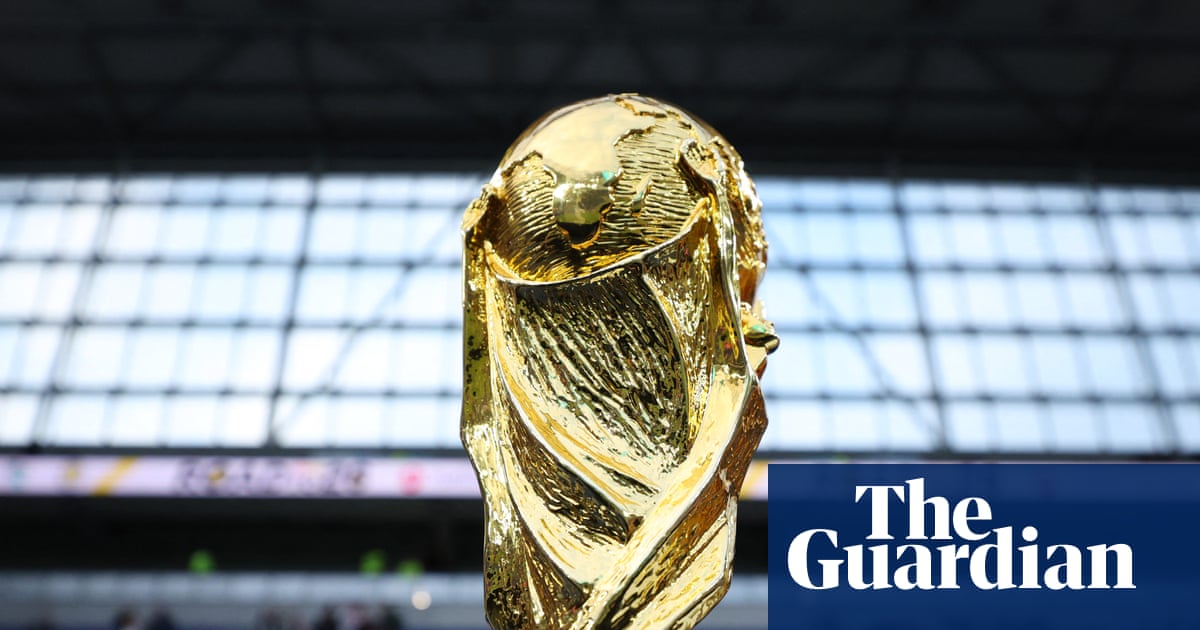
With only 48 days until the 2026 World Cup kicks off across the United States, Canada, and Mexico, the margin for error for top-tier talent has evaporated. High-profile stars currently managing soft-tissue injuries or post-surgical recovery are finding themselves in a high-stakes race against biology. As reported by the Daily Mail, several national team setups are bracing for absences, leaving managers scrambling for contingency plans.
History provides a grim blueprint for this cycle. The physical toll of a truncated domestic season—compounded by overlapping domestic cup and continental commitments—has left squad depths significantly thinner than in previous iterations. For players currently sidelined, the timeline for recovery rarely aligns with the demands of international tournament readiness.
Managerial Anxiety Mounts
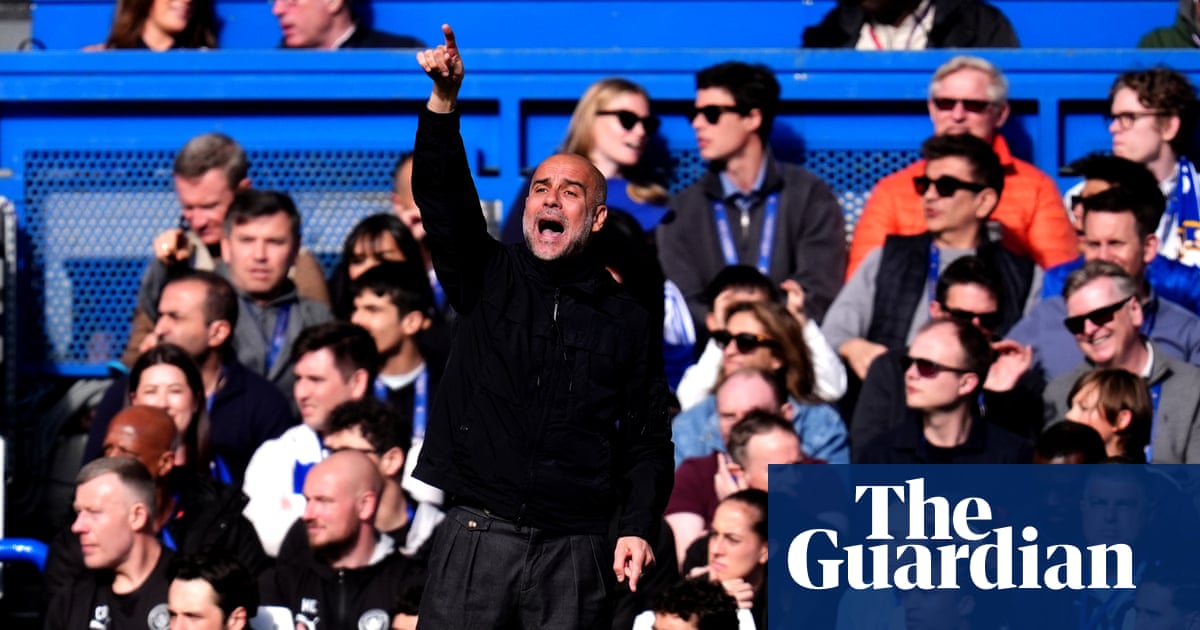
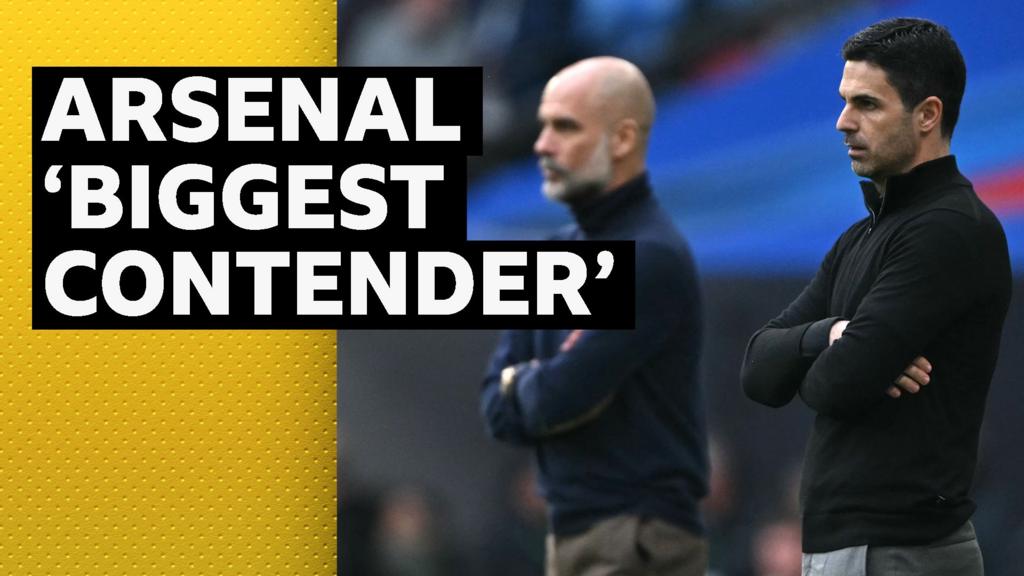
The pressure is not contained to the treatment room. At Manchester City, Pep Guardiola is managing the fallout of a heavy fixture list, publicly acknowledging his own concerns regarding fatigue and rotation. With an FA Cup semi-final against Southampton looming, the manager is balancing the desire to compete on all fronts against the reality of keeping his stars fit for the final month of the season.
As noted in recent reports, a potential schedule crunch involving three matches in nine days could force radical personnel decisions. Guardiola has admitted that fringe players are frustrated with their usage, a common pressure point when rotation is treated as a strategic necessity rather than a luxury. This tension is mirrored across the league as clubs fight for points while players fight for their roster spots on the plane to the World Cup.
The Broader Impact
The industry is already feeling the ripple effects of these fitness crises. The Italian FA, reeling from a failure to qualify, is reportedly looking toward high-profile targets like Guardiola to reshape their identity, underscoring how desperate organizations are to stop the bleeding. Meanwhile, the constant threat of injury—such as the incident during the Beijing half-marathon, where a tactical error led to a significant physical setback for a participant—acts as a sobering reminder of the thin line between elite performance and total breakdown.
Criticism of the current schedule is becoming louder within locker rooms. Players are being asked to maintain peak output for 10 months, only to be judged on their ability to perform for another four weeks under immense national pressure. The lack of adequate recovery windows is a structural flaw that governing bodies have failed to address, leaving the World Cup quality at legitimate risk of dilution.
Strategic Implications
National teams are now forced to weigh the upside of selecting an injured star against the risk of an early-tournament replacement. FIFA regulations regarding late squad changes remain rigid, and managers are reportedly losing sleep over the fitness logs arriving from club medical staffs. A player returning at 80% fitness is often a liability in the high-intensity climate of a World Cup quarter-final.
For the average fan, this means the tournament opening match on June 11 may look very different from the qualifying campaigns. The reliance on depth is no longer a tactical debate; it is an existential requirement for any nation hoping to lift the trophy. We are seeing a shift where technical ability is occasionally sacrificed for raw durability, a change that marks a departure from previous tactical approaches.
- Fixture congestion currently affects 48 nations.
- Recovery windows decreased by roughly 12% compared to the 2022 cycle.
- Medical staff from major clubs are now reporting daily to national federation liaison officers.
The coming weeks will determine whether the upcoming tournament serves as a celebration of the sport's finest or a graveyard for those who pushed their physical limits too far. There is little room for sentimentality when tournament spots are on the line. The final rosters will be scrutinized for fitness, and many familiar faces may be missing when the whistle blows for the opening match.