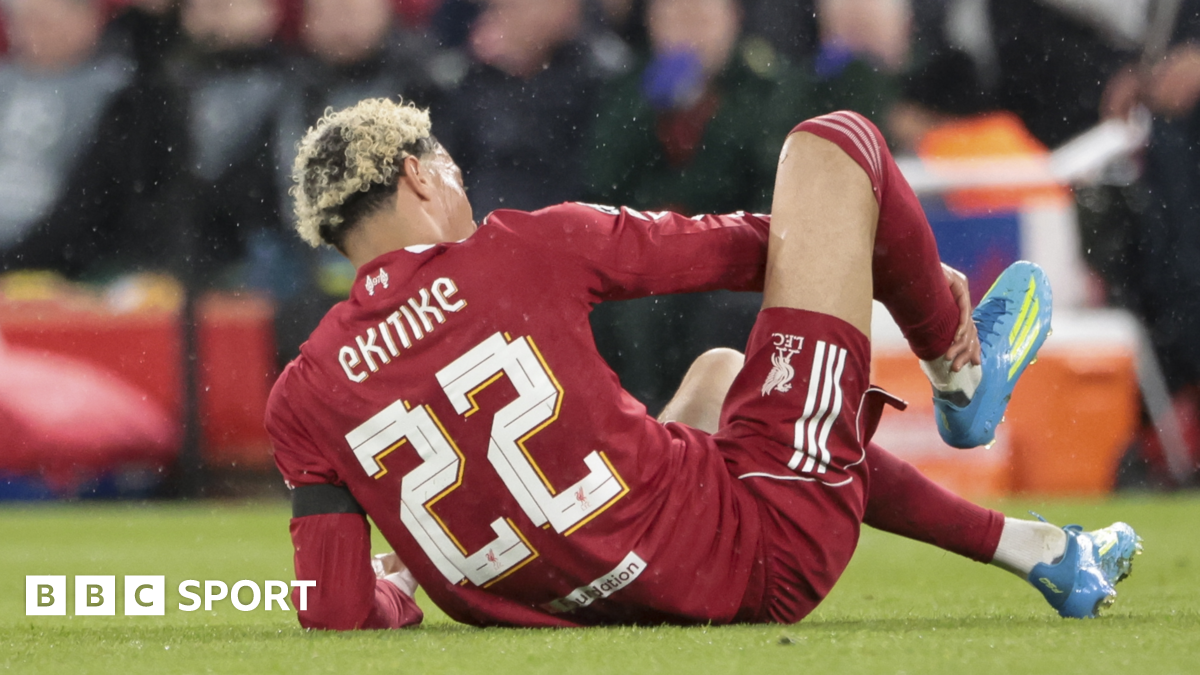
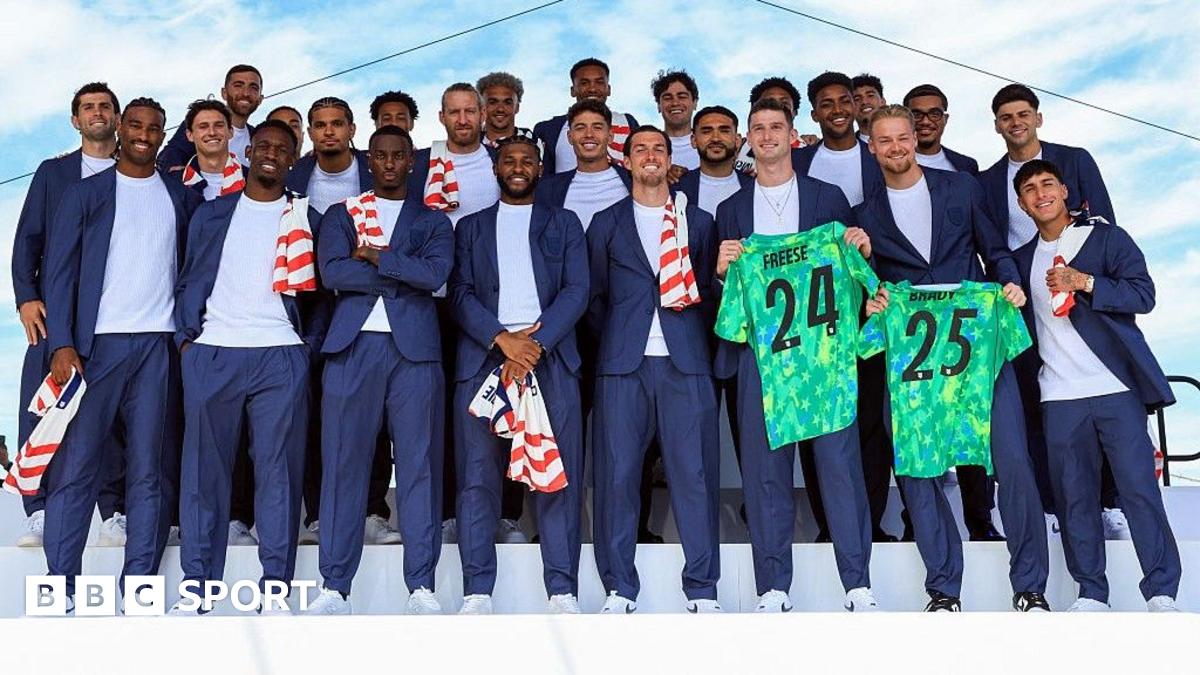
The physical toll of an expanded season
As the football world pivots toward the 2026 World Cup kickoff on June 11, the physical condition of the sport's elite talent is reaching a breaking point. With the recent discourse regarding FIFA's ticket pricing dominating headlines, the actual on-field product remains at risk. Elite squads are reporting record-high muscle fatigue levels following a compressed European club campaign.
Managers are juggling heavy rotation policies while training camps for international duty remain less than six weeks away. The primary concern is not just the volume of games, but the erratic recovery windows between league finales and pre-tournament camps. Muscle strains in the lower extremities are up 14% compared to this same interval in 2022.
The medical reality of tournament prep
Players involved in the upcoming UCL final on May 28 face the most immediate risk of overuse injuries. Those competing in high-stakes matches until late May have less than two weeks to transition into team base camps in North America. This timeline leaves zero margin for error regarding soft-tissue rehabilitation.
History suggests that teams forcing players back from minor hamstring or calf issues too early in June suffer significantly in the knockout stages. Medical departments are currently employing restricted load-management protocols to mitigate these risks. Performance data shows that players who peak their workload in early June often hit a performance wall by the tournament quarterfinals.
Strategic shifts in tournament preparations
Tactical setups for this year's competition require a deeper bench than ever before. Coaching staffs are currently scouting alternative personnel for positions where primary stars are dealing with recurring tendonitis. The lack of a true off-season for the top 5% of players has effectively shifted the tournament strategy away from high-intensity pressing toward more possession-based, energy-conserving models.
This is a tactical gamble that could backfire against younger, hungrier squads that have had more time to recover. Management teams are debating whether to leave injured starters at home entirely rather than risking a mid-tournament collapse. The consensus among lead medical officers is that resting a compromised player for the group stage is mandatory to avoid a full-season injury cycle.
The missed opportunity for recovery
A notable failure in current preparation involves the continued reliance on heavy travel between training sites. While FIFA attempts to offset concerns over ticket pricing, the internal impact on squad health remains secondary to commercial objectives. Moving players across time zones while managing acute injuries represents a questionable decision that could undermine the quality of play.
Competitors are watching these recovery protocols closely to identify structural weaknesses in major squads. If a championship contender loses a key starter in the first 10 days of training, recent precedents suggest they will struggle to pivot their defensive identity mid-event. The physical burden on the world's most recognizable names is now the single biggest variables heading into June.